
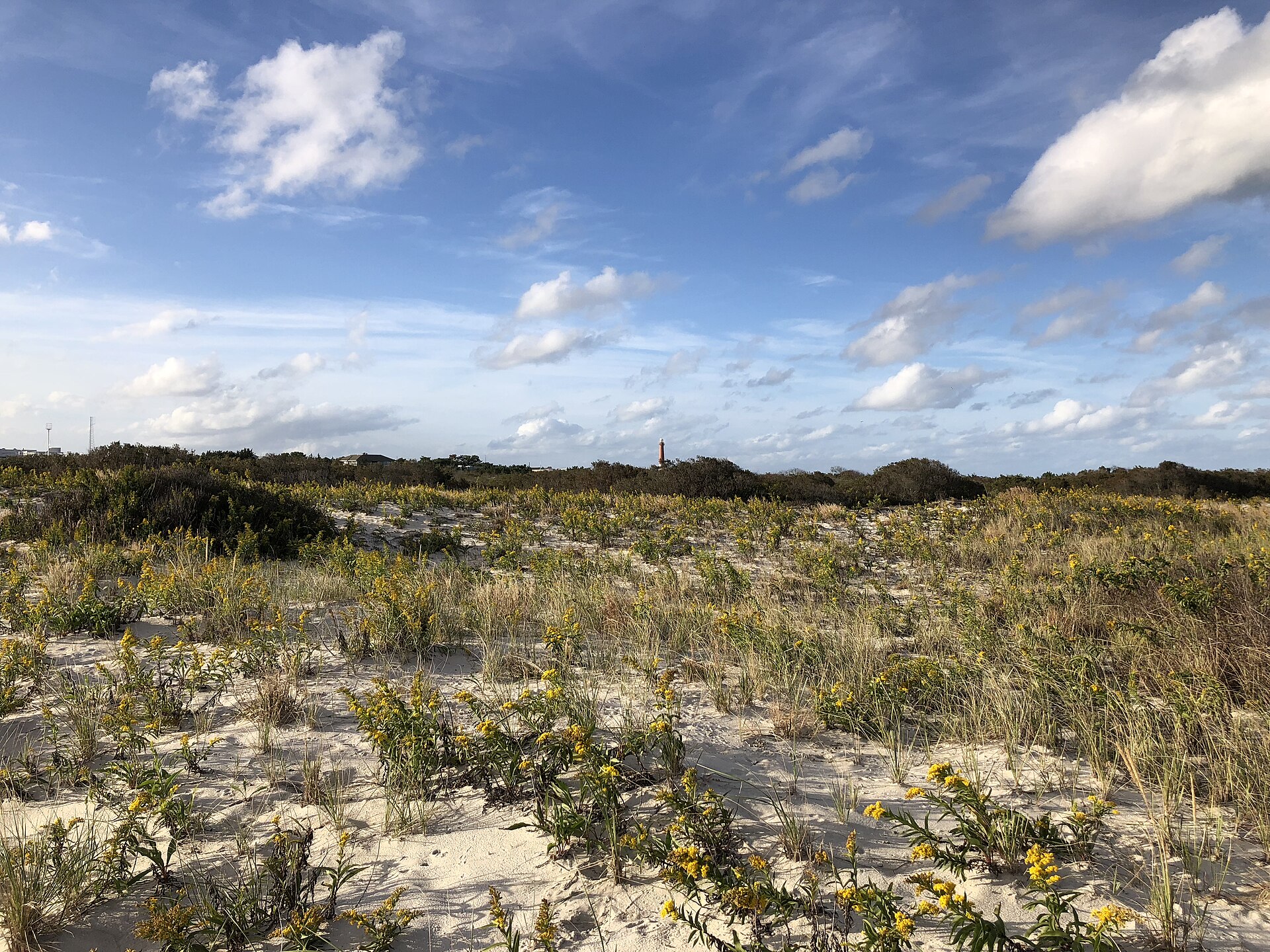
Long Beach Island stretches eighteen miles along the New Jersey coast, and its character changes block by block as you move north and south. Near the middle of the island sit Surf City and Ship Bottom, two small, walkable communities that have long appealed to buyers who want classic LBI living without the longer drive to the island’s northern tip or the quieter isolation of its southern end. For luxury buyers evaluating the Jersey Shore, these two towns are worth a closer look precisely because they combine convenience, character, and a scale that has stayed genuinely residential.
Where Surf City and Ship Bottom Sit on the Island
Surf City and Ship Bottom sit almost directly across from the Manahawkin Bay Bridge, which is the primary vehicle entrance to Long Beach Island from the mainland. That location matters more than it might seem. A home in this stretch of the island puts a buyer close to the bridge, close to the island’s main commercial strip along Long Beach Boulevard, and within a short walk or bike ride of the beach in almost any direction. Buyers who split time between a primary residence and a shore home often weigh drive time heavily, and this central location shortens the trip in from Route 72 and the Garden State Parkway compared with towns further up or down the island.
The Character of These Two Towns
Surf City
Surf City is one of the older municipalities on the island, and its housing stock reflects that history: a mix of classic shore cottages, updated mid-century homes, and newer or substantially renovated construction on both the oceanside and bayside blocks. The town has kept a low-key, residential feel even as home values have risen, with a compact business district rather than a dense commercial strip. For a buyer who wants a walkable shore town without a resort atmosphere, Surf City tends to fit.
Ship Bottom
Ship Bottom, just south of Surf City, functions as something of a hub for this part of the island, with more of the restaurants, shops, and services that make a shore town livable outside of peak summer weekends. Its housing stock spans a similarly wide range, from older bungalows on interior streets to larger, elevated new construction closer to the water. Because it sits at the base of the Boulevard’s northern stretch and the bridge, Ship Bottom often draws buyers who want convenience as much as they want beach access.
What Luxury Buyers Are Evaluating
At the higher end of this market, the meaningful distinctions are usually about water proximity, elevation, and lot orientation rather than town boundary lines. A few factors luxury buyers weigh most heavily:
- Oceanfront and oceanblock position: Direct ocean exposure commands a premium, and the difference between oceanfront, oceanblock, and a few streets back can be substantial even within the same town.
- Bay and lagoon access: Bayfront and lagoon-front homes appeal to buyers who boat, and dock or slip availability is often a deciding factor for these buyers.
- Elevation and construction type: Homes built or substantially rebuilt after the most recent wave of flood-elevation updates tend to sit higher off grade, which affects both insurance costs and resale appeal.
- Lot size and setbacks: LBI lots are famously compact by suburban standards, so buyers accustomed to larger parcels should recalibrate expectations and focus on livability — outdoor space, pool placement, parking — rather than acreage.
Flood Zones, Elevation, and Insurance Considerations
Nearly every property on Long Beach Island sits within a mapped flood zone, and elevation requirements have shaped a lot of the new construction and major renovation work on the island over the past couple of decades. Before making an offer, a serious buyer should confirm a home’s flood zone designation and base flood elevation, review its elevation certificate if one exists, and get a firm sense of projected flood insurance costs from an agent who works regularly with barrier island properties. These costs can vary meaningfully between two homes on the same street depending on how and when each was built, and they belong in the total cost of ownership alongside the purchase price.
Rental Potential and Investment Considerations
A meaningful share of LBI buyers, including buyers at the luxury end, plan to rent the home out for at least part of the season. Surf City and Ship Bottom’s central location and walkability tend to support strong seasonal rental demand, but every buyer weighing rental income should confirm current municipal rules on rental registration, minimum stay lengths, and any local ordinances that could affect how the property can be used before counting on that income as part of the purchase decision.
Getting to and From the Island
Access is one of LBI’s defining practical realities. The island connects to the mainland by a single bridge corridor, which means travel times can lengthen considerably on summer weekends and ahead of storms. Buyers who plan to use a shore home as a regular weekend or seasonal residence should factor typical shoulder-season and peak-season travel times into their expectations, particularly if they are commuting back to Philadelphia or South Jersey during the week.
Frequently asked questions
Are Surf City and Ship Bottom oceanfront towns?
Both towns include oceanfront blocks along with oceanblock, bayfront, and interior streets. Because the island is narrow, most homes are within a short walk of the beach regardless of exact location, but direct oceanfront property commands a distinct premium and comes with its own maintenance and insurance considerations.
How does buying in Surf City or Ship Bottom compare with towns further up the island, like Loveladies or Harvey Cedars?
Northern LBI towns tend to be quieter, more spread out, and further from the bridge and commercial services, while Surf City and Ship Bottom offer more walkability and shorter travel times to and from the mainland. Price points can overlap significantly; the choice often comes down to lifestyle preference rather than budget alone.
Do these towns allow short-term rentals?
Rental rules are set at the municipal level and can change, so any buyer counting on rental income should verify current registration requirements, minimum stay rules, and any recent ordinance changes directly with the relevant township before relying on those numbers.
If you are considering a shore purchase on Long Beach Island or anywhere along the South Jersey coast, James Kennedy can walk you through current inventory, flood zone and insurance considerations, and what a given property is likely to command in the rental market. Reach James at 215-267-8479 or jameskennedy@unlockedteam.com to start the conversation.
Leave a Reply