
Ask most Philadelphia buyers to name a shore town and they will reach for Avalon, Stone Harbor, or Cape May before they think of North Wildwood. That is part of what makes it interesting. North Wildwood sits at the northern tip of Five Mile Island, separated from Wildwood and Wildwood Crest by its own borough line, and it carries a character that is quieter and more residential than the boardwalk energy people associate with “the Wildwoods” as a whole. For buyers who want genuine oceanfront or near-oceanfront property without the density of a boardwalk entertainment district on every block, it deserves a closer look.
What sets North Wildwood apart
North Wildwood’s identity is shaped by two things: its working Hereford Inlet Lighthouse and gardens near the northern end of the island, and a historic residential core of Victorian-era homes concentrated around Central Avenue and Olde New Jersey Avenue. Unlike the mid-century motel strip most visitors picture when they think of the Wildwoods, this pocket of North Wildwood reads as a genuine historic neighborhood, with turreted, wraparound-porch homes that predate the twentieth-century boardwalk economy entirely. The borough also has a proper year-round residential population, which means services, schools, and municipal infrastructure that a purely seasonal community does not need to maintain.
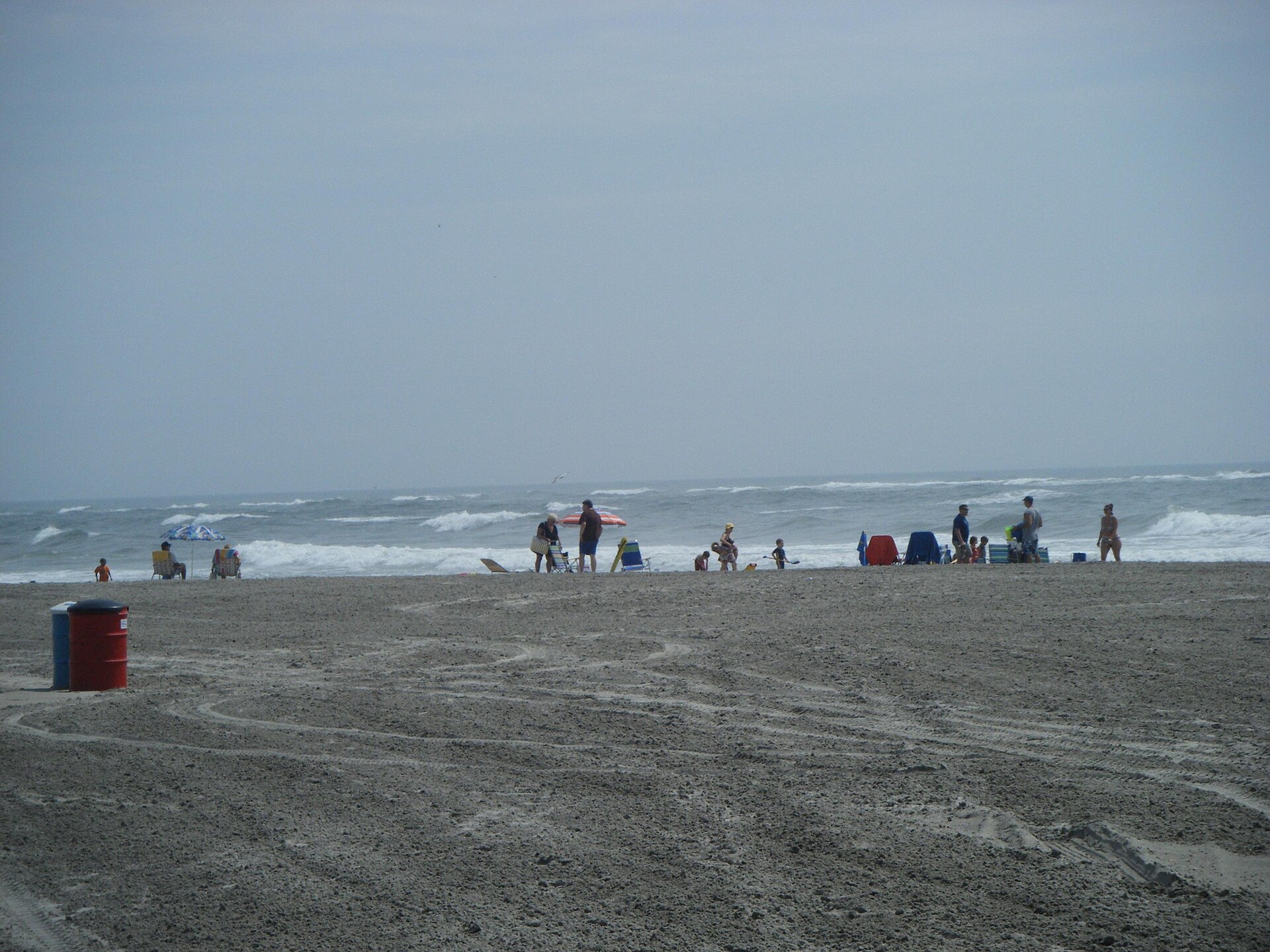
The town’s beach itself is another differentiator. North Wildwood’s beachfront is narrower and closer to the water than the famously wide beaches of Wildwood and Wildwood Crest, which some buyers prefer specifically because it means a shorter walk to the surf and a more traditional shore-town feel rather than a long dune crossing.
The historic district and its Victorian inventory
The National Register-listed historic district around Olde New Jersey Avenue is where most of North Wildwood’s architecturally significant properties sit. These are typically wood-frame Victorians, many restored as single-family homes or converted to bed-and-breakfast use, with the ornamental detailing associated with the style: turned porch spindles, bay windows, and steep rooflines. Buying in this district comes with real trade-offs worth understanding up front. Renovation and exterior work on a contributing structure can be subject to local historic preservation review, which protects the character that makes the neighborhood valuable but also limits how freely an owner can alter the exterior. Anyone considering a significant addition or a full renovation should confirm the property’s historic district status and the borough’s design review requirements before writing an offer contingent on those plans.
Outside the historic core, North Wildwood also has newer construction and rebuilt homes, particularly closer to the inlet and along the bayside, which appeal to buyers who want shore living without the maintenance commitment of an antique structure.
Oceanfront, bayside, and the streets in between
As with most barrier island towns, location within North Wildwood matters enormously to both lifestyle and value. Oceanfront and near-oceanfront blocks command a premium for direct beach access and views, but they also carry the highest exposure to storm risk and the most stringent flood insurance requirements. Bayside and inlet-adjacent properties offer boat access and often a different, calmer feel, with their own flood and bulkhead considerations. The blocks around the historic district sit slightly inland and tend to trade partly on architectural character rather than water proximity alone. Buyers should walk a property at different times of day and, ideally, in different seasons before committing, since summer weekend character can differ substantially from the town’s feel in the shoulder seasons.
What luxury buyers should evaluate before making an offer
A few due-diligence items are particularly important on Five Mile Island generally, and in North Wildwood specifically:
- Flood zone and elevation. Confirm the FEMA flood zone designation and the home’s base flood elevation. This affects both insurance cost and, for older homes, whether the structure is “grandfathered” against current elevation requirements or would need to be raised if substantially renovated.
- Historic district status. If the property sits within or near the Olde New Jersey Avenue historic district, ask the borough directly what exterior changes require review before assuming a renovation plan is straightforward.
- Rental history and restrictions. Many shore buyers plan to offset carrying costs with seasonal rental income. Confirm current zoning and any borough licensing requirements for short-term rentals, and ask a local property manager for realistic occupancy expectations rather than relying on a listing agent’s projection alone.
- Structural condition of older frame construction. Coastal humidity and salt air are hard on wood-frame Victorians. A thorough inspection that specifically evaluates the foundation, sill plates, and any prior flood remediation is worth the cost, especially on a home more than a few decades old.
Who North Wildwood tends to suit
North Wildwood generally appeals to buyers who want an authentic, walkable shore neighborhood with real architectural character, rather than a purely modern beach-house experience. It suits families who value being close to Wildwood’s boardwalk amenities without living directly on top of them, and buyers drawn to the idea of restoring or owning a piece of Jersey Shore Victorian history. Buyers who prioritize the widest possible beach or the most understated, low-density barrier island feel may be better served by towns further south, such as Stone Harbor or Avalon, which this blog has covered separately.
Frequently asked questions
Is North Wildwood the same as Wildwood?
No. North Wildwood, Wildwood, Wildwood Crest, and West Wildwood are four separate municipalities on the same barrier island, each with its own local government, zoning, and character, even though they share the “Wildwoods” name for tourism purposes. North Wildwood sits at the northern end of the island and has a more residential, year-round feel than Wildwood’s boardwalk core.
Do homes in the historic district cost more than comparable homes elsewhere on the island?
Architecturally significant Victorians in good condition within the historic district often carry a premium tied to their character and restoration quality, but pricing varies widely based on lot size, proximity to the beach, and the extent of any prior renovation. A local comparative market analysis on a specific property is the only reliable way to gauge value, since broad averages can be misleading in a small, architecturally varied market like this one.
What should I budget for beyond the purchase price?
Beyond typical closing costs, shore buyers should plan for flood insurance (which can vary significantly by elevation and zone), higher wind and named-storm insurance deductibles common along the Jersey coast, and ongoing maintenance tied to salt air exposure. If historic district review applies, factor in the added time and cost of any exterior work requiring approval.
If you are exploring North Wildwood or comparing it against other Jersey Shore markets, James Kennedy can walk you through current inventory, flood zone considerations, and what a specific property would realistically cost to own and maintain. Reach James at 215-267-8479 or jameskennedy@unlockedteam.com.
Leave a Reply