
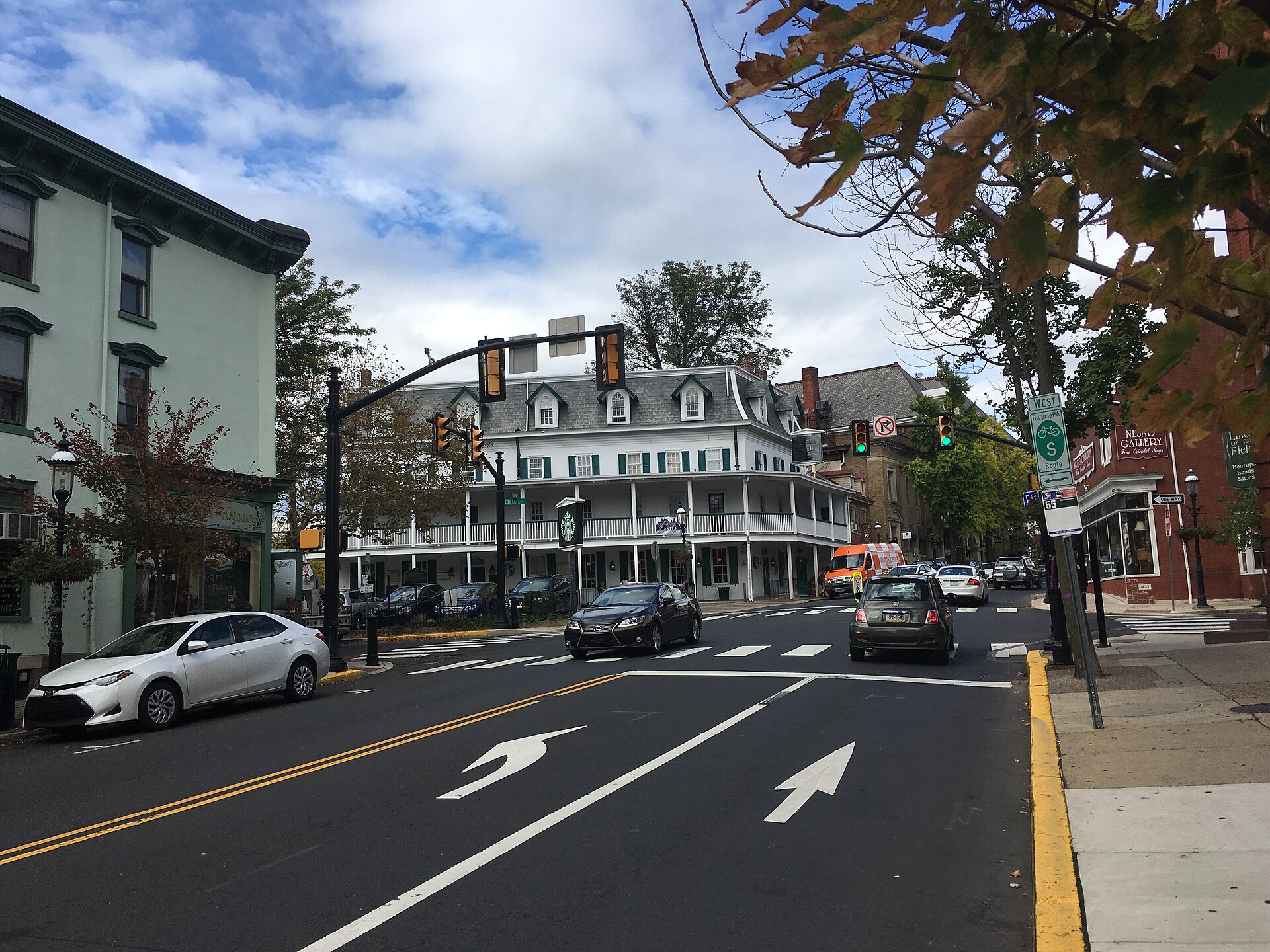
North of Doylestown, the landscape of central Bucks County opens into rolling farmland, wooded ridges, and quiet country roads. Plumstead Township and the villages of Plumsteadville, Pipersville, and Gardenville draw buyers who want space, privacy, and a more rural rhythm without giving up convenient access to Doylestown’s restaurants, shops, and cultural life. For luxury and country-estate buyers, the area offers a different value proposition from the Main Line or Center City. This guide explains what to expect, what to evaluate, and how to approach a purchase.
The character of the area
Plumstead is largely defined by open land, preserved space, historic farmhouses, and a mix of custom homes on larger lots. Unlike dense inner-ring suburbs, many properties are separated by meaningful acreage, and the pattern of development tends to feel gradual rather than uniform. Buyers will find stone farmhouses, newer custom builds, and equestrian-friendly parcels, with the village centers serving as modest local hubs.
Doylestown, the county seat, is a short drive and anchors daily life with its historic downtown, museums, and dining. Many residents also use nearby Route 611, Route 313, and other county roads to reach Newtown, New Hope, and Philadelphia-area employers, so test the drive at your actual commute times.
Property types you are likely to see
Because the area blends old and new, it is useful to understand the major categories:
- Historic farmhouses: Fieldstone houses and barns offer charm and craftsmanship but may come with older systems, wells, and septic, plus questions about additions and permits.
- Custom estates: Larger newer homes on multi-acre lots frequently feature expansive kitchens, outdoor entertaining areas, and pools. Quality varies by builder, so inspections matter.
- Equestrian and hobby properties: Barns, paddocks, and fenced pastures appeal to horse owners and gentleman farmers. Confirm zoning, drainage, and usable acreage.
- Planned neighborhoods: Some subdivisions offer newer construction on smaller lots with more predictable maintenance and sometimes association rules.
Wells, septic, and utilities
Many properties in this part of Bucks County rely on private wells and on-lot septic systems rather than public water and sewer. These systems are manageable but require careful diligence. Plan for water quality and flow testing, a septic inspection that includes the tank and drain field, and records of past maintenance. Ask about propane or oil heating, which is common where natural gas is unavailable, and about generator capacity because rural power can be more affected by storms.
Internet and cellular coverage can vary from road to road, which matters for remote work. Check service options at the specific address before you commit.
Land, preservation, and zoning
Open space is part of the appeal, and parts of Bucks County have a long record of land preservation. A property may be adjacent to preserved farmland that protects views, or it may carry easements that limit what the owner can build. Ask for the deed, any conservation easement, and township zoning information. If you plan a pool, barn, guest house, or addition, confirm setbacks, impervious coverage limits, and permit requirements with the township before relying on a seller’s assumptions.
Local property taxes and school district assignments should also be reviewed for the specific parcel, since boundaries and rates can change by address.
Lifestyle and daily life
Residents tend to prize trails, parks, farm stands, and community events, as well as the cultural options in Doylestown and along the river toward New Hope. Winters bring snow, so ask about road maintenance and driveway length, and understand what a long gravel or paved driveway will cost to maintain.
If you value privacy, take time to learn what is visible from the property in every season, and whether neighboring land is likely to remain agricultural.
Seasons, maintenance, and the cost of space
Larger parcels bring ongoing responsibilities that city and in-town buyers do not face. Mowing or meadow management, tree care, fencing, long driveways, and outbuilding upkeep all add up, and many owners hire local landscape and property-management professionals. Ask sellers what a typical year of maintenance looks like and who they rely on. Review insurance early as well, since coverage for barns, detached structures, and older farmhouses can differ from a standard suburban policy.
Winter preparedness is worth considering too. Confirm whether the road is township maintained, how quickly it is typically plowed, and whether a backup generator is installed or easily added.
Buyers coming from Center City or the Main Line sometimes underestimate how much they will drive for everyday errands. Spend a full weekend in the area, shop at local stores, and test the route to your usual destinations before deciding.
Working with an advisor
Estate and country properties often have unusual features that do not fit standard comparable-sale analysis. Pricing and negotiation benefit from an advisor who understands acreage, outbuildings, and the nuances of rural infrastructure. James Kennedy can help you assess value, coordinate specialists such as well, septic, and barn inspectors, and structure an offer that protects you.
Frequently asked questions
Is Plumstead a good fit for buyers who want a rural feel near Doylestown?
Yes, many buyers choose it for open land and privacy while remaining within a short drive of Doylestown’s amenities.
Do homes here usually have public water and sewer?
Many do not. Private wells and septic systems are common, so water testing and septic inspections are important parts of due diligence.
What should I verify before buying acreage in Bucks County?
Review easements, zoning, setbacks, drainage, and any preservation restrictions, and confirm what you may build before you close.
Ready to talk through your plans? Contact James Kennedy, luxury real estate advisor serving Philadelphia and South Jersey, at 215-267-8479 or jameskennedy@unlockedteam.com for a confidential, no-pressure conversation and current local guidance.
Leave a Reply