Blog

  • How to Tell a Quality Renovation from a Flip: A Luxury Buyer’s Inspection Guide

    How to Tell a Quality Renovation from a Flip: A Luxury Buyer’s Inspection Guide

    Renovated homes dominate the upper end of the Philadelphia and South Jersey markets, and for good reason: the region’s best housing stock is old, and bringing a nineteenth-century townhouse or a 1930s stone colonial up to modern standards takes real work. The problem is that two renovations can look nearly identical in photographs and be entirely different underneath. One reflects permits, licensed trades, and money spent where it does not show. The other is new paint, new counters, and a fresh coat of optimism over old problems.

    At the high end, the gap between those two outcomes is expensive. Here is how to tell them apart before you write an offer.

    Start with the paper trail

    The single most revealing document in a renovated home is the permit history. In Philadelphia, permit and license records are publicly searchable; New Jersey municipalities maintain construction office records as well. Look for whether permits exist for the work that was clearly done, whether they were closed out with final inspections, and whether the scope on the permit matches what you see in the house.

    Warning signs include a full gut renovation with no plumbing or electrical permits, permits opened but never finalized, and structural changes such as removed walls or new openings with no record at all. Unpermitted work is not always a catastrophe, but it shifts liability to you, can complicate insurance and financing, and can surface later when you sell or when you try to permit your own project.

    Also ask for

    • The contractor’s name and license, and whether the work was done by licensed trades or by the owner.
    • Receipts, invoices, or a scope-of-work document from the renovation.
    • Warranties on the roof, windows, HVAC, and appliances, and whether they transfer.
    • Any engineering reports if structural work was performed.

    A serious renovator usually has these ready. A flipper often does not.

    Look where the money hides

    Quality renovations spend disproportionately on things a buyer never sees. Cosmetic flips spend on things every buyer sees. Once you know that, the tells become obvious.

    Systems

    Was the electrical service upgraded, and is the panel modern and correctly labeled? Is there any remaining knob-and-tube or cloth-sheathed wiring in the attic or basement? Was supply plumbing replaced, or only the fixtures? Is the drain and vent stack original cast iron? Is the HVAC properly sized and ducted, or did a large addition get tied into an undersized existing system?

    Envelope

    Roof age and material, flashing details at chimneys and valleys, window quality and installation, insulation, and how the house handles water. In older Philadelphia rowhouses, party wall and roof-edge details matter enormously. In stone and stucco suburban homes, moisture intrusion behind the cladding is the classic expensive surprise.

    Structure and below grade

    Look for evidence of beam or joist work, sistered joists, new steel, and proper support where walls were removed. In basements, look for fresh paint on foundation walls, new flooring installed tight to the wall, or a dehumidifier running in a finished space. Any of those can be innocent; together they warrant a closer look at water history.

    Read the finishes carefully

    Finish quality is where flips reveal themselves fastest to a trained eye. Check whether the same level of care carried through the whole house or stopped at the rooms that photograph well. Common tells include tile work with inconsistent grout lines or missing waterproofing behind the shower, cabinetry that is stock-sized with high-end hardware bolted on, doors and trim that are new in the public rooms and original in the bedrooms, floors refinished over old damage rather than repaired, and paint applied over surfaces that should have been prepped.

    None of these individually condemns a house. The pattern is what matters: does the workmanship stay consistent when nobody is looking?

    Match the renovation to the house

    At the luxury level, a renovation should respect the building. A gut job that strips a historic Society Hill or Chestnut Hill house of its original detail can reduce value even if the finishes are expensive. Conversely, an addition that clearly ignores the proportions of a 1920s colonial reads as a compromise to future buyers.

    Ask whether the layout actually works. Flippers frequently create open plans by removing walls without adding the primary suite, the storage, the mudroom, or the home office that buyers at this price point expect. A house can be beautifully finished and still be functionally wrong for its market.

    Build the right inspection team

    For a significant renovated property, a general home inspection is the starting point, not the whole exercise. Depending on the house, consider adding a structural engineer where walls or beams were altered, a licensed electrician and plumber to evaluate what was actually replaced, a roofing specialist, a stucco or masonry moisture assessment for suburban stone and stucco homes, sewer lateral scoping in older city properties, and environmental testing where age and location suggest it, including radon, and oil tank searches in South Jersey and older suburban properties.

    Negotiate an inspection period that gives you time to get these specialists in. At the upper end of the market, sellers generally understand that thorough due diligence is normal.

    How this should change your offer

    A well-documented renovation by a reputable builder, fully permitted and with transferable warranties, justifies a premium and reduces your risk of large near-term capital expenditure. A cosmetic flip should be valued closer to the underlying house plus the actual improvements, with the anticipated cost of redoing shortcuts factored in. The difference between those two positions on a high-end property can be substantial, which is why the diligence pays for itself many times over.

    Frequently asked questions

    Is unpermitted work always a reason to walk away?

    No, but it needs to be priced and understood. Minor cosmetic work rarely requires permits. Structural, electrical, plumbing, and mechanical work generally does. Where permits are missing for significant work, evaluate whether the work can be inspected and legalized, what that would cost, and how it may affect insurance, financing, and your eventual resale.

    How can I check permit history in Philadelphia or South Jersey?

    Philadelphia maintains publicly searchable permit, license, and inspection records by address. In New Jersey, records are held by the municipal construction office, and copies can usually be requested. Your agent can help you pull and interpret the history alongside the seller’s disclosures.

    Should I bring a contractor to a showing?

    For a substantially renovated luxury property, yes, once you are seriously interested. A builder or engineer walking the house with you will spot framing, drainage, and workmanship issues that photographs and a first showing will never reveal, and their read often shapes both the offer price and the inspection strategy.

    If you are evaluating a renovated home in Philadelphia or South Jersey and want an honest read on what was actually done, James Kennedy can help you assemble the right inspection team and structure an offer that reflects what you find. Call James at 215-267-8479 or email jameskennedy@unlockedteam.com.

  • Tabernacle and Shamong, New Jersey: A Pinelands Guide for Luxury Home Buyers

    Tabernacle and Shamong, New Jersey: A Pinelands Guide for Luxury Home Buyers

    Most South Jersey luxury searches start in Haddonfield, Moorestown, or Medford. Buyers who want more land than those towns can offer often keep driving east, into Tabernacle and Shamong. These two Burlington County townships sit on the western edge of the New Jersey Pinelands, and they trade walkable downtowns for something scarcer: multi-acre parcels, real privacy, and a landscape that state law has permanently protected from dense development. For the right buyer, that combination is worth more than a Main Street.

    Where you are, geographically and practically

    Tabernacle and Shamong sit roughly southeast of Medford, along the Route 206 and Route 532 corridors. Shamong includes the village of Indian Mills; Tabernacle includes the crossroads of the same name and stretches deep into the Wharton State Forest region. Both townships are large in land area and small in population, which is the entire point.

    Practically, this is a car-dependent area. Expect to drive to a grocery store, and expect a real commute to Center City Philadelphia. What you get in return is quiet, dark skies, and the ability to own five, ten, or more acres without leaving the Philadelphia metropolitan area entirely.

    What the high-end housing stock looks like

    There is no luxury condo tier here. The upper end of these markets is defined by land and by custom construction. Common high-end property types include:

    • Custom-built homes on wooded acreage, often set well back from the road with long private drives.
    • Equestrian properties, with barns, paddocks, run-in sheds, and riding rings. This corner of Burlington County has a genuine horse culture, and trail access is a real draw.
    • Farmhouses and converted agricultural properties, some with outbuildings, cranberry or blueberry heritage, and preserved farmland adjacency.
    • Newer estate homes built in the last few decades on subdivided parcels, typically with modern systems and generous square footage.

    Because so many of these homes are one-off custom builds rather than production housing, comparable sales are less uniform than in a suburban development. Valuation here depends heavily on land, outbuildings, and finish quality, which makes an experienced local read on the market important.

    The Pinelands: what protection actually means for you

    The New Jersey Pinelands National Reserve covers a large share of southern New Jersey and is administered under a comprehensive management plan. Different areas within it carry different designations, and those designations govern what can be built, how land can be subdivided, and what environmental review applies.

    For a buyer, three consequences matter:

    • Your surroundings are unusually stable. Large-scale subdivision near you is far less likely than in an unprotected township. The woods across the road will probably stay woods.
    • Your own plans face review. Adding a barn, a pool, an accessory dwelling, or a significant addition may involve township approval and, depending on location and scope, Pinelands Commission review. Timelines can be longer than buyers expect.
    • Buildability is not automatic. If you are purchasing vacant land intending to build, confirm in writing what is permitted before you close. Acreage alone does not guarantee a building envelope.

    None of this should scare off a serious buyer. It simply means the due diligence period needs to include the regulatory question, not just the home inspection.

    Wells, septic, and rural systems

    Public water and sewer are limited in these townships. Most estate properties rely on a private well and an on-site septic system, and both deserve dedicated attention.

    Water

    Have the well tested for yield and for water quality. In sandy Pinelands soils, naturally acidic and iron-rich water is common, and treatment systems are frequently part of the picture. Ask what equipment is installed, how old it is, and what maintenance it requires.

    Septic

    Ask for the system’s age, design capacity, permit records, and last service date, and have it inspected and pumped as part of due diligence. Capacity matters if you intend to add bedrooms; a system sized for a four-bedroom house constrains a future addition.

    Other rural realities

    Propane rather than natural gas, generator backup, longer utility restoration times after storms, private road maintenance agreements, and the cost of plowing a long driveway are all normal here. They are manageable, but they belong in your budget from the start.

    Getting to Philadelphia and the shore

    Route 206 and Route 70 are the main arteries west toward Medford, Marlton, and the Route 295 and New Jersey Turnpike corridors, and on to the bridges into Philadelphia. Expect a longer drive than from Cherry Hill or Haddonfield. In the other direction, the Atlantic City Expressway and Route 72 put the shore within an easy weekend trip, which is one reason these townships appeal to buyers who also spend time on Long Beach Island or in the Cape May County towns.

    PATCO and regional rail are not local options in the way they are in inner South Jersey. Buyers who need a rail commute typically drive to a park-and-ride, or they accept the drive.

    Lifestyle and land use

    Life here is oriented outdoors. Wharton State Forest, Batsto Village, the Mullica and Batona river systems, and the Batona Trail are all close at hand for hiking, paddling, and riding. Farm stands, blueberry and cranberry operations, and preserved farmland shape the local character. Medford’s village center and the shopping in Marlton cover most retail and dining needs within a reasonable drive.

    Buyers with school-age children should evaluate the local district structure and the regional high school arrangement directly, along with the independent school options in Burlington and Camden counties. As with any move, verify current details rather than relying on general reputation.

    Frequently asked questions

    Can I build a barn, pool, or addition on a Pinelands property?

    Often yes, but the answer depends on the property’s Pinelands management area designation, the township’s zoning, wetlands and buffer conditions, and your septic capacity. Confirm the specific approvals required before you close rather than assuming, and build the review timeline into your plans.

    How does buying an acreage property differ from buying in Haddonfield or Moorestown?

    The house is only part of the transaction. You are also buying land, well and septic infrastructure, outbuildings, and a regulatory context. Due diligence should include a survey, well yield and water quality testing, a septic inspection, a wetlands and buffer review, and confirmation of any farmland assessment or preservation easements attached to the parcel.

    Do these properties hold their value?

    Value in this market is driven primarily by land, privacy, and the quality and condition of custom improvements, and the permanent development constraints in the Pinelands support the scarcity of large private parcels. Because each property is unique, pricing requires a careful, property-specific analysis rather than a simple price-per-square-foot comparison.

    If you are considering an acreage or equestrian property in Tabernacle, Shamong, or anywhere in Burlington County, James Kennedy can help you evaluate the land, the systems, and the regulatory picture before you commit. Call James at 215-267-8479 or email jameskennedy@unlockedteam.com.

  • Living in Roxborough and Wissahickon: A Luxury Buyer’s Guide to Philadelphia’s Green Northwest

    Living in Roxborough and Wissahickon: A Luxury Buyer’s Guide to Philadelphia’s Green Northwest

    Buyers who want space, trees, and a garage without leaving Philadelphia often end up in the city’s northwest corner. Roxborough and Wissahickon sit on the high ridge above the Schuylkill River, wrapped on one side by the Wissahickon Valley and on the other by the river itself. The result is a part of the city that reads more like a suburb but still carries a Philadelphia address, Philadelphia taxes, and a fifteen-to-twenty-minute drive to Center City. For luxury buyers, this pocket rewards patience: the best properties are genuinely special, and they do not come to market often.

    Where these neighborhoods sit and how they differ

    Wissahickon is the lower, older section closest to the river and the Ridge Avenue corridor, near the Wissahickon Transfer Center and the regional rail line. Roxborough climbs the ridge above it, running along Ridge Avenue and Henry Avenue up toward Andorra and the Chestnut Hill line. The higher you go, the larger the lots tend to get.

    Three sub-areas matter most to high-end buyers:

    • Upper Roxborough and Andorra. Detached homes on quarter-acre and larger parcels, mid-century and newer construction, attached garages, and in some cases genuine yards. This is where families trading down from Lower Merion or up from a rowhouse tend to land.
    • The Henry Avenue corridor. Stone and stucco houses set back from a wide, tree-lined boulevard, many built between the 1920s and 1950s with original detail intact.
    • The park edge. Streets that dead-end into Wissahickon Valley Park or the Schuylkill. These properties command a premium because the view and the quiet cannot be replicated, and because the adjacent land is permanently protected.

    What the housing stock is actually like

    Roxborough and Wissahickon are not uniformly high-end. Much of the area is modest twins and rows, which is exactly why the larger detached properties stand out. At the upper end you will typically find stone colonials and Tudors from the 1920s through the 1940s, mid-century split-levels and ranchers on generous lots, a small number of custom contemporary homes built on infill parcels near the park, and converted or expanded farmhouses on unusually deep lots left over from the area’s rural past.

    Because so much of the stock predates modern building practice, condition varies enormously from block to block. Two houses of the same vintage and size can be separated by hundreds of thousands of dollars in deferred maintenance. This is a market where the inspection matters more than the listing photos.

    The park is the amenity

    Wissahickon Valley Park runs roughly seven miles through the northwest of the city and covers around 1,800 acres of forest, creek, and trail. Forbidden Drive, the gravel road along the creek, is the spine of it and functions as a year-round running, walking, and cycling corridor. Miles of side trails climb the slopes. There are horses, historic covered bridges, and stretches where the city genuinely disappears.

    For buyers, the park does two things. It provides a lifestyle that is very hard to find inside a major city, and it acts as a permanent constraint on development, which supports values along its edges. A house that backs to protected parkland has a view no future builder can take away.

    Getting to Center City

    Three routes carry most of the traffic. Kelly Drive and Lincoln Drive both follow the water into Center City and are scenic but can be slow in bad weather. Ridge Avenue runs straight in. Regional rail from the Manayunk/Norristown Line stations at Wissahickon and Manayunk connects to Suburban Station and Jefferson Station. Many households here keep two cars but use rail for the daily commute, especially from the lower elevations where the stations are walkable.

    Access to the Schuylkill Expressway and Route 1 also puts the Main Line, King of Prussia, and the airport within reasonable reach, which matters for buyers who work in the suburbs but want a city address.

    Everyday life

    Ridge Avenue is the commercial spine, with a mix of long-standing neighborhood businesses, newer restaurants and cafes, and practical retail. Manayunk’s Main Street is minutes away and supplies a denser dining and nightlife scene. Chestnut Hill’s Germantown Avenue, with its boutiques and restaurants, is a short drive north. Practically speaking, buyers here get suburban conveniences with genuinely urban options nearby.

    Households evaluating schools should look carefully at the specific catchment, the city’s charter and magnet options, and the independent schools clustered in the northwest, including several in nearby Chestnut Hill and Germantown. School fit varies more block to block here than in a typical suburban township, so it is worth confirming before you fall in love with a house.

    What to watch for as a buyer

    Topography and drainage

    This is hill country by Philadelphia standards. Steeply sloped lots, retaining walls, and older stone foundations are common. Have a professional assess grading, wall condition, and how water moves across the property. Repairs to a failing retaining wall or a wet stone basement are not small numbers.

    Systems in older homes

    Knob-and-tube remnants, oil heat, original galvanized supply lines, and slate or tile roofs at the end of their service life all show up in this housing stock. None of these are deal-breakers, but each carries a real cost and can affect insurability.

    Lot lines and easements

    Properties adjoining park land, rail right-of-way, or old farm parcels sometimes carry unusual boundaries or easements. A current survey is money well spent.

    Limited high-end inventory

    The number of truly luxury-tier homes here is small in any given month. Buyers who want the best of what this area offers should be prepared to move quickly and to be introduced to properties before they hit the open market.

    Who this area suits

    Roxborough and Wissahickon work best for buyers who want land and privacy but are not ready to leave Philadelphia, for outdoor-oriented households who will actually use the park several times a week, and for people who want a large detached house with a garage at a price point that would buy considerably less square footage in Rittenhouse or Fitler Square. They suit less well the buyer who wants to walk to fine dining every night or who needs elevator-building condo living.

    Frequently asked questions

    Is Roxborough considered a luxury neighborhood?

    Roxborough as a whole is a mixed-price neighborhood, but it contains a genuine luxury tier, concentrated in Upper Roxborough, Andorra, the Henry Avenue corridor, and streets bordering Wissahickon Valley Park. Those properties tend to be large detached homes on substantial lots, which is uncommon inside city limits.

    How long is the commute from Roxborough to Center City?

    By car, most trips run in the range of a typical cross-city commute, with Kelly Drive, Lincoln Drive, and Ridge Avenue as the main routes and traffic conditions driving most of the variability. Regional rail from the Wissahickon and Manayunk stations is a common alternative for downtown workers. Test the trip at your actual commute time before committing.

    What should I budget for beyond the purchase price?

    Plan for the realities of older, hillside housing: roof and masonry work, grading and drainage, and mechanical updates. Ask for a detailed inspection, a survey, and, where relevant, specialist evaluations of retaining walls or stone foundations. Philadelphia property tax and transfer tax should also be modeled in advance rather than discovered at settlement.

    If you are considering a home in Roxborough, Wissahickon, or anywhere in Philadelphia’s northwest, James Kennedy can walk you through current inventory, recent comparable sales, and the off-market opportunities that rarely reach the public sites. Call James at 215-267-8479 or email jameskennedy@unlockedteam.com to start the conversation.

  • Curb Appeal and Landscaping for Luxury Sellers: A Presentation Guide for Philadelphia & South Jersey

    Curb Appeal and Landscaping for Luxury Sellers: A Presentation Guide for Philadelphia & South Jersey

    Interior staging gets most of the attention when a luxury home comes to market, and it deserves it. But at the high end, the first meaningful judgment a buyer makes almost always happens outside — in the photograph they see on a screen, and again in the twenty seconds between parking and the front door. A well-presented exterior does not just improve the first impression; it sets the frame through which every other feature is interpreted. This guide covers what actually matters, in what order, for sellers of higher-priced homes across Philadelphia and South Jersey.

    Why the exterior carries more weight at the high end

    Buyers in the upper price tiers are, almost by definition, comparing your home against a small set of alternatives rather than a long list. Their attention per property is high and their tolerance for visible neglect is low. Deferred exterior maintenance is read as a signal about the parts of the house they cannot see — the roof, the mechanicals, the structure. Fair or not, an overgrown foundation planting and a stained walkway invite a more skeptical inspection and a more aggressive offer. Conversely, a crisp exterior buys credibility that carries through the entire showing.

    Start with the approach

    Walk your property the way a buyer will: from the street, or from where they will park, all the way to the front door. Photograph it on your phone. The camera is unsentimental and will show you what you have stopped noticing.

    • Driveway and walkway. Power-wash concrete, pavers, and brick. Reset settled or heaved pavers. Fill and seal asphalt cracks. Edge where hardscape meets lawn or bed — this single detail reads as “maintained” more than almost anything else.
    • The front door. Repaint or refinish it, polish or replace the hardware, and clean the glass. A door in excellent condition is one of the highest-return items on this list.
    • Lighting. Replace mismatched or dated fixtures, confirm every bulb works and every bulb matches in color temperature, and add or repair path lighting. Exterior lighting also enables twilight photography, which is often the single strongest image in a luxury listing.
    • Windows and screens. Have exterior glass professionally cleaned. Remove torn screens rather than photographing through them.

    Landscape editing, not landscape installation

    The most common mistake is spending on new plantings while leaving the underlying problem — overgrowth — in place. On established properties in this region, subtraction almost always outperforms addition.

    • Bring foundation plantings back under control. Shrubs that have grown above window sills make a house look smaller and darker inside. Cutting them back, or removing and replacing the worst offenders, transforms both the exterior photograph and the interior light.
    • Get a certified arborist involved on mature trees. Crown-raising and selective thinning open sight lines to the house and improve lawn health. Dead limbs are also a liability item a buyer’s inspector will flag.
    • Define the beds. Clean, cut edges and fresh mulch in a dark natural tone read as expensive and cost very little.
    • Address the lawn honestly. Aeration, overseeding, and a fertilization cycle take weeks to show results, so start before you photograph. If the lawn cannot recover in time, discuss timing with your agent rather than shooting it as-is.
    • Add seasonal color sparingly and near the entry. Two well-scaled planters flanking the front door do more than a scattering of annuals across the property.

    Outdoor living space is a selling feature — present it that way

    At the high end, patios, pools, outdoor kitchens, and covered porches are not amenities buyers skim past; they are often the reason a particular house wins. Treat these areas with the same discipline as an interior room.

    • Open the pool before listing if the season allows, and have the water clear and the surround clean for photography. A closed and covered pool is far harder for a buyer to value.
    • Stage furniture in a clear conversation grouping, remove anything worn or mismatched, and clear away toys, hoses, and equipment.
    • Clean and, if needed, refinish decking. Refresh grout and joint sand on stone and paver patios.

    The repairs buyers and inspectors actually notice

    Some exterior items are cosmetic, and some are read as evidence of larger problems. Prioritize the second category.

    • Roof and gutters. Clean gutters, secure loose downspouts, and confirm water is directed away from the foundation. If the roof has visible issues, get an estimate in hand before listing so the conversation is factual rather than speculative.
    • Masonry and stucco. Repoint failing joints and address cracks. In this region, stucco condition on homes built in certain eras is a known buyer concern; if your home has stucco, a proactive moisture inspection can prevent a negotiation from stalling.
    • Paint and trim. Peeling paint on trim, soffits, and shutters is one of the clearest visual markers of deferred maintenance.
    • Grading and drainage. Standing water near the foundation is a red flag buyers act on. Regrade, extend downspouts, and clear window wells before showings begin.

    Timing and seasonality in the Philadelphia and South Jersey market

    Exterior work is weather-dependent, so sequencing matters. Landscape recovery, painting, and masonry all need lead time and reasonable temperatures. If you are planning a spring listing, the productive work — tree work, hardscape repair, planning — happens in late winter. If you must list in the colder months, lean on evergreen structure, immaculate hardscape, exterior lighting and twilight photography, and supplement with earlier-season photographs of the grounds so buyers can see the property in leaf. Shore and waterfront properties carry their own seasonal considerations and should be presented with that market’s rhythm in mind.

    Where not to overspend

    Not every exterior dollar returns. Large-scale new hardscape installed immediately before listing rarely recovers its cost. Neither does a full landscape redesign or an elaborate irrigation system added at the last minute. The reliable returns are in cleaning, editing, repairing, lighting, and painting. When a larger project genuinely is warranted, decide it with your agent against the specific properties competing with yours — not in the abstract.

    Coordinate the work with the marketing calendar

    The purpose of all of this is to produce a specific set of assets: the primary listing photograph, the aerial and drone images, the twilight exteriors, and the video walkthrough. Build the schedule backward from the photography date. Landscaping, power-washing, painting, and pool opening should all be finished before the photographer arrives, and the property should be photographed once, properly, rather than reshot after the fact. A relaunch with better photos is far less effective than a strong debut.

    Frequently asked questions

    How far ahead of listing should exterior work start?

    Plan on several weeks at minimum, and longer if the lawn needs to recover or if painting and masonry are involved. Tree work, power-washing, and bed cleanup can be done relatively quickly; turf repair, exterior paint, and any permitted work cannot. The safest approach is to set your photography date first and work backward from it.

    Is professional landscaping worth it before selling a luxury home?

    Maintenance and cleanup nearly always are. A full redesign usually is not. The goal is to make the property look impeccably cared for, which is achieved mostly through pruning, edging, mulching, and cleaning rather than through new installation. Focus new spending on the entry sequence, where buyers concentrate their attention.

    What if my home shows better in another season?

    That is a legitimate strategic consideration, and it should be weighed against buyer activity, your own timeline, and what competing inventory looks like. There are also practical remedies — supplemental photography from a prior season, strong twilight images, and drone work that emphasizes the property’s setting. Ask your agent to model both timing options against recent comparable sales before deciding.

    Work with a local luxury specialist

    If you are weighing a move at the high end of the Philadelphia or South Jersey market, James Kennedy can walk you through current inventory, recent comparable sales, and a strategy built around your timeline. Call or text James at 215-267-8479 or email jameskennedy@unlockedteam.com to start the conversation.

  • Berwyn and Paoli, Pennsylvania: A Main Line Town Guide for Luxury Home Buyers

    Berwyn and Paoli, Pennsylvania: A Main Line Town Guide for Luxury Home Buyers

    Buyers who begin a Main Line search in Bryn Mawr or Haverford often end up looking farther west, and Berwyn and Paoli are usually where that search lands. These two adjoining communities sit at the boundary between classic Main Line suburbia and the open, rolling landscape of Chester County. The result is an unusual combination: walkable village centers and a direct rail line to Center City on one hand, and estate properties on several acres a few minutes away on the other. For a household that wants land without giving up the commute, this stretch deserves a serious look.

    Where Berwyn and Paoli sit

    Both communities straddle municipal lines, which matters more than most buyers expect. Addresses can fall in Tredyffrin Township, Easttown Township, or Willistown Township depending on the exact location, and in some cases in Chester County versus Delaware County. Township determines your property tax millage, zoning rules, permitting process, and school district assignment. Two houses a half-mile apart with the same mailing address can carry meaningfully different tax bills and school assignments, so verify the specifics for any property rather than relying on the town name.

    The housing stock

    Estate properties and acreage

    South of Route 30, toward Willistown and the Radnor Hunt countryside, you find the area’s larger holdings: stone farmhouses with additions, converted barns and carriage houses, and purpose-built estates on multiple acres. These are the properties that draw buyers who want privacy, room for horses, or simply a long driveway and a view.

    Established traditional neighborhoods

    Closer to the rail line and the village centers are well-established neighborhoods of colonials, split-levels, and stone ranches built largely from the 1950s through the 1980s. Many have been extensively renovated. These homes are the practical center of the market — comfortable, close to schools and the train, and on lots measured in fractions of an acre rather than acres.

    Newer construction and low-maintenance options

    The past few decades brought a steady supply of larger custom and semi-custom homes, plus a growing selection of upscale townhomes, carriage homes, and age-targeted communities. These appeal strongly to buyers downsizing from a larger Main Line property who want to stay in the area without maintaining several acres.

    The commute

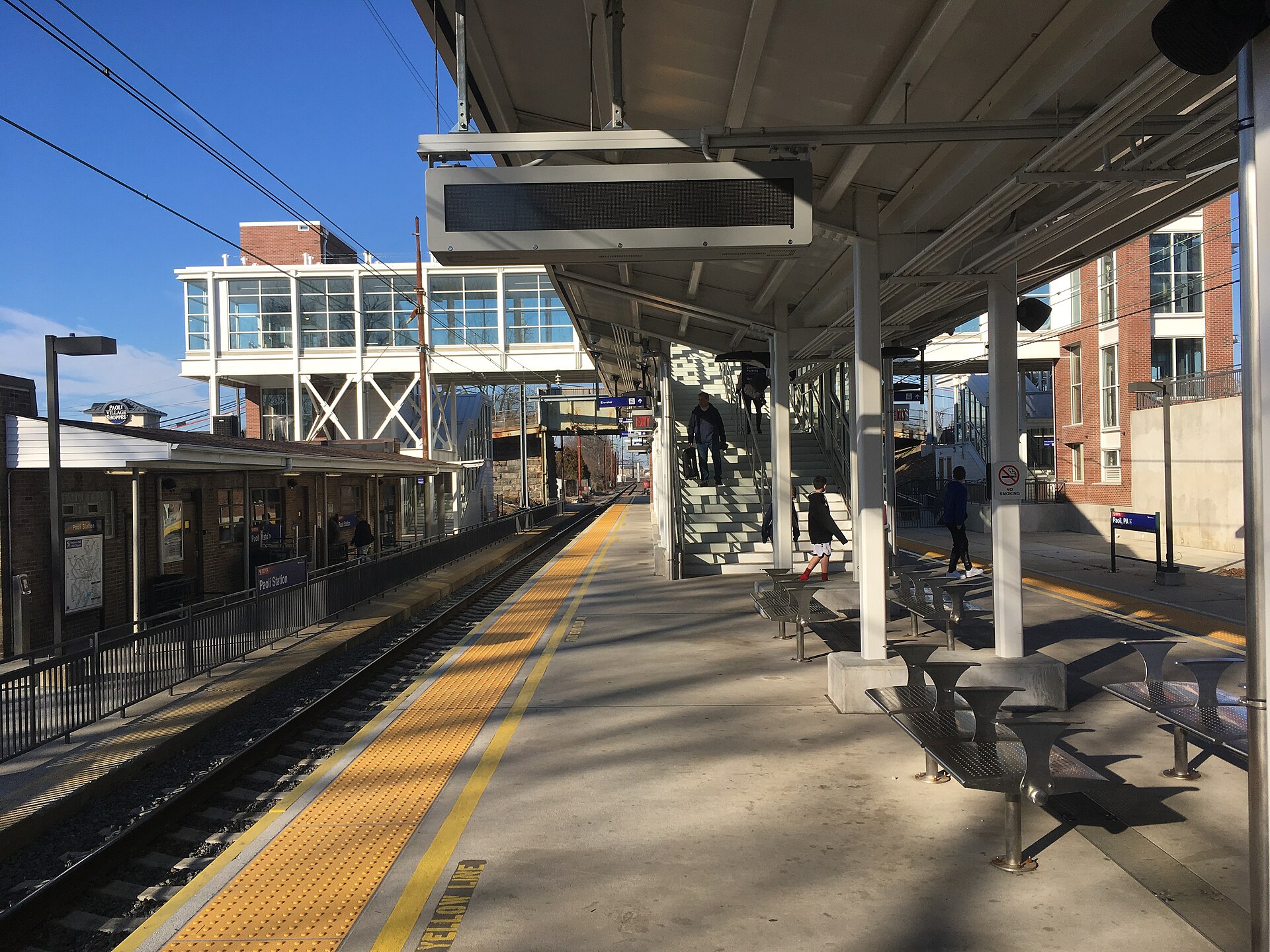
    This is the practical argument for Berwyn and Paoli. Both sit on SEPTA’s Paoli/Thorndale Regional Rail line, and Paoli is also served by Amtrak’s Keystone Service, which puts New York and Harrisburg within a one-seat ride. By car, Route 30 runs through both centers, Route 202 connects north toward King of Prussia and south toward West Chester, and a Pennsylvania Turnpike interchange nearby links to the broader region. Travel times vary considerably with schedule and mode, so if the trip is a deciding factor, test your actual route at your actual departure time before you commit.

    Schools and institutions

    The area is served primarily by the Tredyffrin/Easttown School District, with portions of Willistown falling into the Great Valley School District. Several well-regarded independent schools are located in or near the area as well, and the Episcopal Academy campus and Villanova University are a short drive east. School assignment is a frequent driver of pricing on the Main Line, and it is also one of the items most often assumed rather than confirmed — always verify the assignment for a specific address with the district directly.

    Lifestyle

    Daily life here mixes village convenience with genuine open space. The Devon Horse Show and Country Fair each spring is the area’s signature event and a fixture of the local calendar. Shopping and dining cluster along Lancaster Avenue in Berwyn, in Paoli’s village center, and at the Gateway and Eagle Village shopping areas. For open space, Valley Forge National Historical Park, the Chester Valley Trail, Okehocking Preserve, and a network of Willistown Conservation Trust properties are all close by, which is a meaningful part of the appeal for buyers coming from denser suburbs.

    Diligence items specific to this area

    Properties on larger lots here carry a different inspection checklist than a house on a quarter acre. Before you go under contract, plan for the following:

    • Water and septic. Many properties outside the village cores are on private wells and on-site septic systems. Order water quality and flow testing, and a full septic inspection with tank pumping and a review of the system’s permitted capacity relative to the bedroom count.
    • Older stone construction. Historic farmhouses reward a specialist inspector. Look at foundation drainage, pointing, framing modifications from past additions, and how modern mechanical systems were integrated.
    • Preferential tax assessment. Larger parcels may be enrolled in Pennsylvania’s Clean and Green (Act 319) program or subject to a conservation easement. Both affect what you may do with the land and can trigger rollback taxes if the use changes. Review the recorded documents before you assume anything about future subdivision or construction.
    • Floodplain and creeks. Some properties sit near Valley Creek or its tributaries. Confirm flood zone designation and any insurance implications early.
    • Outbuildings and barns. Barns, stables, and carriage houses are often excluded from a standard home inspection. Have them looked at separately, along with any fencing, run-in sheds, and paddock drainage if you plan to keep horses.
    • Zoning and expansion. If you plan to add on, build a pool house, or convert an outbuilding, check township zoning and any historic overlay before purchase, not after.

    How Berwyn and Paoli compare to the eastern Main Line

    Compared with Bryn Mawr, Haverford, or Gladwyne, the western Main Line generally offers more land for the money and a quieter, more rural feel, at the cost of a longer trip into the city. Compared with Chester County towns farther west such as West Chester or Malvern, Berwyn and Paoli hold a stronger rail connection and a more traditional Main Line identity. Buyers frequently tour all three tiers before deciding, and the right answer usually comes down to how often you actually need to be in Center City and how much land you genuinely want to maintain.

    Frequently asked questions

    Is Berwyn or Paoli better for a commuter?

    Both are on the same rail line, but Paoli’s station is a larger hub with Amtrak service, which matters if you travel to New York or Harrisburg. Berwyn tends to appeal to buyers who prioritize a walkable village feel near the station. Drive-and-park logistics differ by station, so check current parking availability if you plan to drive to the train.

    Can I find a horse property here?

    Yes. The area south and west toward Willistown and the Radnor Hunt country includes properties with barns, paddocks, and access to riding trails. Availability is limited and these homes often attract dedicated buyers, so working with an agent who monitors that segment continuously is worthwhile.

    How do property taxes compare across the townships?

    Millage rates and assessments differ by township, county, and school district, and Pennsylvania assessments are set at the county level rather than being reset at sale. Because the differences can be significant across a short distance, ask for the actual current tax figures on any address you are serious about rather than estimating from a percentage of the price.

    Work with a local luxury specialist

    If you are weighing a move at the high end of the Philadelphia or South Jersey market, James Kennedy can walk you through current inventory, recent comparable sales, and a strategy built around your timeline. Call or text James at 215-267-8479 or email jameskennedy@unlockedteam.com to start the conversation.

  • Living in Spruce Hill and Cedar Park: A Luxury Buyer’s Guide to West Philadelphia’s Victorian Mansion Belt

    Living in Spruce Hill and Cedar Park: A Luxury Buyer’s Guide to West Philadelphia’s Victorian Mansion Belt

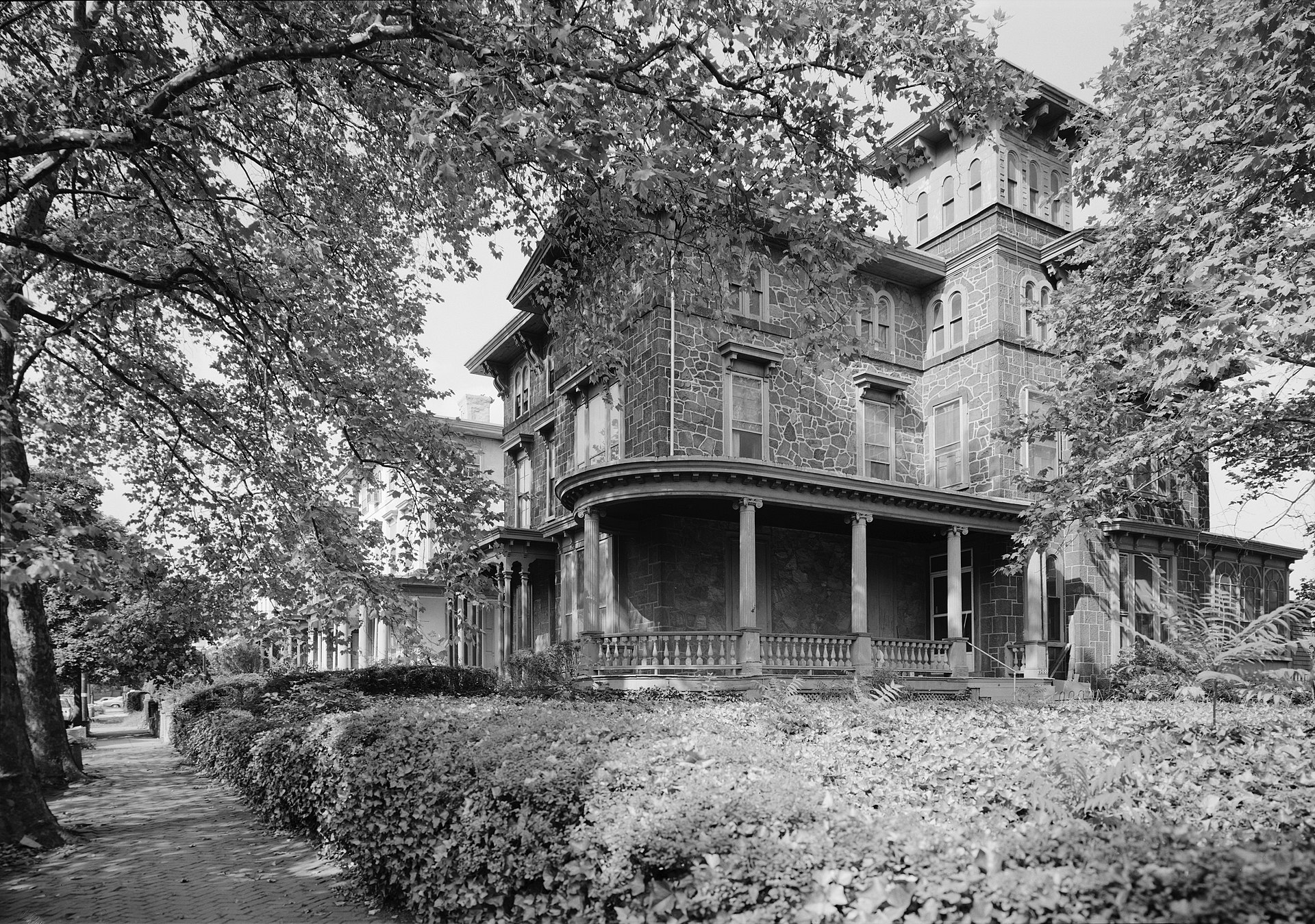
    Most buyers searching for a large, architecturally significant house in Philadelphia start in Society Hill, Rittenhouse Square, or Chestnut Hill. Fewer of them look west across the Schuylkill, and that is a mistake worth correcting. The blocks that make up Spruce Hill, Cedar Park, Garden Court, and Woodland Terrace contain some of the biggest, most elaborate single-family houses inside city limits — stone and brick Victorians built for nineteenth-century industrialists on lots that would be unimaginable in Center City. For a buyer who wants square footage, a yard, a garage, and real architecture without leaving the city, this is one of the most interesting corners of the Philadelphia market.

    The neighborhoods, block by block

    West Philadelphia’s Victorian belt is not one neighborhood but a cluster of them, each with a distinct character. Knowing the differences matters, because values and housing stock shift noticeably from one set of blocks to the next.

    • Spruce Hill runs roughly from the University of Pennsylvania campus west toward 46th Street, between Market and Woodland. It holds the greatest concentration of large detached and semi-detached Victorians, along with handsome twins on Pine, Osage, and Spruce.
    • Cedar Park picks up west of roughly 48th Street around its namesake park. Housing here is a mix of Victorian twins, porch-front rowhomes, and a growing number of thoughtfully renovated single-family homes. Baltimore Avenue is its commercial spine.
    • Garden Court, centered near 47th to 50th along Pine and Spruce, was developed slightly later and includes both handsome twins and a set of substantial 1920s apartment buildings, some of which have been converted to condominiums.
    • Woodland Terrace and Hamilton Village hold the oldest and most photographed housing in the area — Italianate villas built in the 1860s, arranged on short, tree-lined streets that read more like a European garden square than a city block.

    The housing stock: what you are actually buying

    Detached and semi-detached Victorians

    The signature property type is a three-story stone or brick Victorian with a wraparound porch, ten-foot-plus ceilings, elaborate millwork, transom windows, pocket doors, tiled fireplaces, and a rear staircase. Square footage frequently runs from roughly 3,000 to well over 5,000 — considerably larger than a comparably priced Center City townhouse. Many sit on lots deep enough for off-street parking, a garage, or a genuine garden.

    Twins and large rowhomes

    Between the freestanding houses are extensive rows of Victorian twins, many with original stained glass, generous stair halls, and finished third floors. These represent the largest share of transactions and tend to appeal to buyers who want the architecture at a somewhat lower entry point.

    Conversions and condominiums

    A meaningful number of the larger houses were split into apartments during the twentieth century. Some have been converted back to single-family use; others remain as legal duplexes and triplexes. Both situations are worth understanding fully before you write an offer, because zoning, certificates of occupancy, and financing can differ substantially.

    What high-end buyers should verify before making an offer

    Houses of this age and size reward diligence. The best of them have been meticulously maintained; others have had decades of deferred work quietly papered over. A thorough inspection is not optional here.

    • Systems and capacity. Look closely at electrical service, boiler or furnace age and zoning, plumbing material, and whether central air was added and how it was routed. Retrofitting climate control into a large Victorian is a real budget line.
    • Roof, gutters, and water management. Slate, tile, and flat-roof sections all behave differently. Ask for documentation of the last roof work and look for evidence of past water intrusion at the third floor and in the basement.
    • Masonry and pointing. Stone and brick facades need periodic repointing — routine maintenance, but not inexpensive on a three-story house.
    • Prior conversions. If a home was ever a multi-unit property, confirm the current legal use, permit history, and whether any structural or egress changes were properly approved.
    • Historic considerations. Portions of the area include historically designated properties and districts. Designation can affect what you may change on the exterior, so verify a specific address rather than assuming.
    • Taxes and any abatement. Philadelphia assessments and any remaining tax abatement on a renovated property should be reviewed for what they will look like several years out, not just at settlement.

    Daily life and lifestyle

    The practical appeal here is a combination that is genuinely hard to find in Philadelphia: space, greenery, and a short commute. Clark Park anchors weekend life with a long-running farmers market and open lawns. Baltimore Avenue and Chestnut Street carry an independent, unmanufactured restaurant and cafe scene. The University of Pennsylvania and Drexel campuses, the hospital complex at Penn Medicine and CHOP, and the Schuylkill Yards development are all within a short walk or bike ride, which is why so many physicians, faculty, researchers, and attorneys settle here.

    Transit is a strength. The Market-Frankford Line, multiple trolley routes running in the subway to Center City, and 30th Street Station for Regional Rail and Amtrak all serve the area. Many households here operate comfortably with one car, or none.

    How this compares to other luxury options

    Against Rittenhouse Square or Fitler Square, the trade is straightforward: you generally get considerably more house, land, and parking for the money, in exchange for a less uniformly polished retail environment and a different set of block-by-block dynamics. Against Chestnut Hill or the Main Line, you get a shorter commute and a more urban texture, with smaller lots and city schools. Against the suburbs generally, buyers should model Philadelphia’s wage and property tax picture carefully alongside the housing cost, since the full financial comparison rarely matches the sticker-price comparison.

    Buying strategy in a thin, specialized market

    The truly exceptional houses here — the intact detached Victorians with original detail, a garage, and a real garden — do not come to market often. That thinness has consequences. First, be pre-underwritten and ready to move before you begin touring, because when one appears, it can attract serious competition quickly. Second, be prepared to look at homes that need work, since the number of turnkey properties at any given moment is small. Third, work with an agent who tracks the area continuously and hears about listings before they publish. Off-market and pre-market activity is a real factor in this pocket of the city.

    Frequently asked questions

    Are there truly luxury-priced homes in West Philadelphia?

    Yes. The largest restored Victorians in Spruce Hill, Garden Court, and Woodland Terrace trade at prices well into the upper tier of the Philadelphia market, and the finest examples compete directly with Center City townhouses. Values vary considerably by block and condition, so the right starting point is a review of recent comparable sales for the specific streets you are considering.

    Can I get parking and a yard here?

    More easily than almost anywhere else in the city. Many detached and semi-detached homes include driveways, garages, or rear parking pads, and lot depths often allow for a genuine garden. Confirm parking legality and access on a specific property, since some arrangements depend on a shared drive or rear easement.

    What should I budget for maintaining a large Victorian?

    Plan on a meaningful annual reserve rather than a one-time punch list. Roofing, masonry repointing, painting, window restoration, and mechanical replacement all arrive on long cycles, and on a house of this scale each item is larger than its suburban equivalent. A detailed inspection with contractor follow-up pricing before your contingency expires is the best way to size this accurately.

    Work with a local luxury specialist

    If you are weighing a move at the high end of the Philadelphia or South Jersey market, James Kennedy can walk you through current inventory, recent comparable sales, and a strategy built around your timeline. Call or text James at 215-267-8479 or email jameskennedy@unlockedteam.com to start the conversation.

  • Selling a Luxury Home During a Divorce: A Guide for Philadelphia and South Jersey Homeowners

    Selling a Luxury Home During a Divorce: A Guide for Philadelphia and South Jersey Homeowners

    Selling a home during a divorce is a transaction with an extra layer on top of it. The mechanics are the same as any other sale, but the decision-making is shared between two people who may not agree, the timeline is often driven by a legal process rather than the market, and the stakes on both sides are personal as well as financial. At the luxury end, where the house is frequently the largest single asset in the marital estate, getting the process right matters a great deal.

    What follows is practical real estate guidance, not legal advice. Every divorce is governed by its own agreements and court orders, and your attorney’s direction always controls.

    First, establish who actually has authority to decide

    Before anything else, the listing agent needs to know how decisions get made. Common arrangements include:

    • Both spouses on title and both signing every document jointly.
    • One spouse with exclusive possession of the home while both retain ownership.
    • A court order or settlement agreement that specifies list price, price reduction schedule, or a deadline for sale.
    • A neutral third party or attorney designated to break ties.

    Ambiguity here is what derails these sales. If nobody has defined what happens when one spouse wants to accept an offer and the other does not, that conflict will surface at the worst possible moment — with an offer on the table and a buyer waiting. Ask your attorneys to address it in writing before you list.

    Choose the agent together, deliberately

    An agent brought in by one spouse over the objection of the other starts at a disadvantage and often ends up perceived as partisan. In practice, the sales that go smoothly are the ones where both parties interviewed and agreed on the agent.

    What you are looking for is someone who will communicate identically with both of you — same information, same timing, copied on everything — and who is comfortable working alongside two attorneys. It helps enormously if the agent has done this before and knows to route every material decision through both parties in writing rather than picking up the phone to whoever answers.

    A reasonable ground rule to set at the outset: all substantive communication goes to both spouses simultaneously by email. No side conversations. It feels formal, and it prevents an enormous amount of friction.

    Pricing when emotions are running high

    Pricing is where divorce sales most often go wrong, usually in one of two directions.

    The overpriced listing

    One spouse anchors to a number that reflects what the house meant, what was spent on the renovation, or what they need to walk away with. The house sits, accumulates days on market, and eventually sells for less than it would have if it had been priced correctly on day one — while both parties continue carrying it.

    The rushed listing

    The opposite failure. One party wants it over with and pushes for a price designed to generate an immediate sale, leaving real money on the table in an asset that both of them own.

    The remedy in both cases is the same: base the price on evidence. A rigorous comparative market analysis, and where the property is unusual or very high-end, an independent appraisal that both parties agree in advance to treat as the reference point. Agreeing on the method before you see the number is far easier than agreeing on the number afterward.

    Preparing a house that people are moving out of

    Homes in this situation frequently show poorly, and the reasons are understandable. One spouse has moved out and taken half the furniture. Deferred maintenance has piled up during a period when nobody wanted to spend money on the house. Nobody wants to invest in a property they are leaving.

    That reluctance is expensive. In the luxury market, presentation drives the size of your buyer pool, and a half-furnished house with an unfinished repair list reads as distressed to exactly the buyers you want.

    Practical approach:

    • Agree in advance on a preparation budget and how it will be paid — typically from sale proceeds — so neither party feels they are funding the other’s outcome.
    • Prioritize the items with the highest return: paint, professional cleaning, landscaping, and correcting anything a buyer’s inspector will flag as a safety or systems issue.
    • Stage rather than leave rooms empty. Partial furnishing looks worse than either fully furnished or fully vacant.
    • Depersonalize thoroughly. Family photographs in a house buyers know is selling because of a divorce invite exactly the wrong kind of speculation.

    Confidentiality and how the sale is discussed

    You are not obligated to tell buyers why you are selling, and you should not. Motivation is leverage, and a buyer who learns a sale is divorce-driven will price that into their offer. Instruct your agent that the reason for the sale is not to be discussed with buyer agents, and be careful about what gets said during showings and open houses. In smaller communities — Haddonfield, Moorestown, Chestnut Hill, the Main Line towns — word travels, and discretion is worth real money.

    An off-market or limited-exposure listing strategy is sometimes appropriate here for privacy reasons. It is a genuine trade-off: less exposure usually means fewer competing offers. Weigh it honestly rather than defaulting to it.

    Offers, negotiation, and proceeds

    When offers arrive, present them to both parties simultaneously and in identical form. Evaluate them on the terms that actually matter — price, financing strength, contingencies, settlement date — rather than on which party a given buyer’s timing happens to suit.

    Two things to sort out with your attorneys well before you have an offer:

    • How proceeds will be handled at settlement. The title company or settlement agent needs written instruction on how to disburse. Sorting this out on closing day is a bad idea.
    • Who pays what along the way. Carrying costs, repairs, staging, and commission should all be allocated in the agreement, not improvised.

    Also confirm with your attorney and tax advisor how the capital gains exclusion applies to your situation. The rules around a principal residence, ownership, and use periods can work differently after a separation, and the numbers on a high-value home are large enough to be worth a professional conversation.

    The alternative: one spouse keeps the house

    Selling is not the only option. One spouse may buy out the other’s interest, typically by refinancing into their own name and paying out the equity share. This can be the right answer when children are settled in a school district or the property is genuinely difficult to replace.

    It requires two things to work: a valuation both parties accept, and a lender willing to qualify the retaining spouse on their own income. Test the financing early. Buyouts collapse most often because the person keeping the house cannot actually carry it alone.

    Frequently asked questions

    Can one spouse list the home without the other’s consent?

    Generally not, if both are on the deed — most sales require both owners to sign the listing agreement and the sale contract. Court orders can alter this. Your attorney should confirm what authority exists in your specific case before anything is signed.

    Should we tell buyers we are divorcing?

    No. There is no obligation to disclose your reason for selling, and doing so weakens your negotiating position. Disclosure obligations relate to the physical condition of the property, not to the sellers’ personal circumstances.

    Should we get an appraisal even if we already have an agent’s market analysis?

    Often yes. When two parties need to agree on value, an independent appraisal gives you a neutral number that neither side selected, which can be worth the cost purely for the disputes it prevents. It is particularly useful on unusual or very high-end properties where comparable sales are limited.

    If you are working through a home sale during a divorce anywhere in Philadelphia or South Jersey, I handle these transactions with discretion, even-handed communication with both parties, and close coordination with counsel. Reach out to James Kennedy at 215-267-8479 or jameskennedy@unlockedteam.com for a confidential conversation.

  • Underground Oil Tanks in South Jersey: What Luxury Buyers and Sellers Need to Know

    Underground Oil Tanks in South Jersey: What Luxury Buyers and Sellers Need to Know

    Few due diligence issues catch South Jersey buyers off guard as often as a buried oil tank. A beautiful home in Haddonfield, Moorestown, or Cherry Hill can be under contract and moving smoothly when a tank sweep turns up a steel cylinder in the side yard that nobody knew about. At the luxury end, where deals are larger and timelines matter, understanding underground storage tanks before you write an offer is one of the highest-value things a buyer can do.

    This is general guidance, not legal or environmental advice. Every property and every tank situation is different, and you should rely on a licensed environmental professional and, where appropriate, an attorney.

    Why oil tanks are a South Jersey issue

    Much of the region’s most desirable housing stock was built between the 1920s and the 1960s, when heating oil was the standard. Homes in Haddonfield, Collingswood, Moorestown, Merchantville, Riverton, and the older sections of Cherry Hill were commonly heated by oil delivered to a tank — sometimes in the basement, sometimes buried in the yard.

    When those homes converted to natural gas, the tanks were handled inconsistently. Some were properly removed with documentation. Some were “abandoned in place,” meaning they were pumped, filled with sand or foam, and left. Many were simply disconnected and forgotten. Steel corrodes. A tank installed in 1948 has had a long time to fail, and if it failed while it still held oil, the product went into the soil.

    New Jersey takes soil contamination seriously, and remediation is regulated. That is why a tank is a financial issue rather than merely a nuisance.

    How to find out whether a property has one

    A standard home inspection does not find buried tanks. You have to look on purpose. The tools available to you:

    • A tank sweep. A specialized contractor uses a metal detector and ground-penetrating equipment to scan the yard. This is inexpensive relative to the stakes and should be ordered on any older South Jersey home during the inspection period.
    • Visual clues. A capped fill pipe or vent pipe protruding from the ground or the exterior wall, a patched section of basement wall where a supply line passed through, or an abandoned oil furnace footprint in the basement.
    • Municipal and fire department records. Some towns hold permits for tank removals or abandonments.
    • Seller disclosure. New Jersey sellers complete a property condition disclosure that asks about underground storage tanks. Read the answer carefully, and read what is not answered.
    • Prior title and environmental records. Sometimes a prior remediation shows up in the paper trail.

    If the property has a decommissioned tank, ask for the closure documentation — the removal permit, the disposal manifest, and, most importantly, any soil sample results taken at the time.

    Finding a tank is not the same as finding a problem

    This distinction matters and gets lost in the anxiety of a live transaction. A tank that has been properly removed with clean soil sampling is a closed chapter. A tank still in the ground is an open question. The relevant question is not “is there a tank” but “did it leak.”

    Soil testing answers that. A contractor pulls samples around and beneath the tank and has them analyzed. Clean results mean you are dealing with a removal cost, which is modest. Contaminated results mean you are dealing with a remediation, which is not.

    What happens if a tank has leaked

    Remediation in New Jersey runs through a framework overseen by the Department of Environmental Protection, and in most residential cases the work is directed by a Licensed Site Remediation Professional. The general path is: delineate how far the contamination extends, remove the affected soil, confirm with post-excavation sampling, and obtain documentation that the case is closed.

    The cost range is wide. A small, contained release under a driveway is a different project from a plume that has reached groundwater or crossed onto a neighboring lot. Two variables drive the number more than anything else: how far the contamination has spread, and how accessible it is. A tank under a mature specimen garden, a hardscaped patio, or an addition foundation is far more expensive to address than one in an open side yard.

    New Jersey has historically operated grant and loan programs to help homeowners with residential tank remediation, though funding and eligibility change over time. If you are facing a remediation, ask your environmental contractor what programs are currently available.

    Negotiating around a tank as a buyer

    You have several workable structures, and the right one depends on how much certainty you need and how much time you have.

    • Seller removes and remediates before closing, delivering a clean closure letter. This is the cleanest outcome and the one to push for when the timeline allows.
    • Escrow holdback. Money is held at settlement to fund the work after closing. The escrow needs to be large enough to cover a realistic worst case, not an optimistic estimate.
    • Price credit. You take the property and the problem in exchange for a reduction. Only sensible when testing has already defined the scope.
    • Walk. If sampling shows a significant release and the seller will not address it, an undefined environmental liability on a seven-figure purchase is a rational reason to terminate within your contingency.

    One practical note: get the testing done early. New Jersey’s attorney review period and inspection window move quickly, and a tank sweep ordered in week three leaves you no leverage.

    If you are the seller

    Sellers of older South Jersey homes are almost always better off getting ahead of this. Order your own tank sweep before you list. If there is a tank, test it. If it is clean, remove it and put the closure documentation in your listing file where every buyer’s agent can see it. If it leaked, you now get to solve the problem on your schedule with your choice of contractor rather than under a thirty-day deadline with a nervous buyer’s attorney negotiating against you.

    At the luxury end this is especially worth doing. Buyers paying premium prices expect clean paperwork, and an unresolved environmental question is exactly the kind of uncertainty that costs you either the buyer or a disproportionate concession.

    Frequently asked questions

    Does a home inspection include checking for a buried oil tank?

    No. A standard home inspection is visual and does not include subsurface scanning. You need to separately order a tank sweep from a contractor who specializes in underground storage tank detection, and you should do it early in your inspection period.

    Is an oil tank that was abandoned in place acceptable?

    It can be, if it was properly decommissioned with a permit and soil sampling showed no contamination. Without that documentation, an abandoned tank is an unknown. Many buyers and lenders prefer full removal with a closure letter, and it is reasonable to ask for it.

    Will an oil tank affect my ability to get a mortgage or insurance?

    It can. Some lenders and insurers are cautious about known underground storage tanks or documented contamination, particularly on jumbo loans. Raise it with your lender and insurance agent as soon as a tank is discovered rather than waiting until you are approaching your commitment deadline.

    If you are buying or selling an older home in Haddonfield, Moorestown, Collingswood, Cherry Hill, or anywhere in South Jersey, I can help you order the right testing at the right time and negotiate from a position of information rather than surprise. Reach out to James Kennedy at 215-267-8479 or jameskennedy@unlockedteam.com.

  • Yardley and Washington Crossing, Pennsylvania: A Bucks County River Towns Guide for Luxury Home Buyers

    Yardley and Washington Crossing, Pennsylvania: A Bucks County River Towns Guide for Luxury Home Buyers

    Bucks County’s river towns occupy a particular niche in the Philadelphia luxury market. Yardley and Washington Crossing sit along the Delaware River about thirty miles northeast of Center City, close enough to the city to be commutable, close enough to New York’s rail corridor to draw buyers from two metro areas, and quiet enough to feel genuinely rural at the edges. For buyers looking at high-end homes in Bucks County, these two communities deserve a careful look.

    Where Yardley and Washington Crossing sit

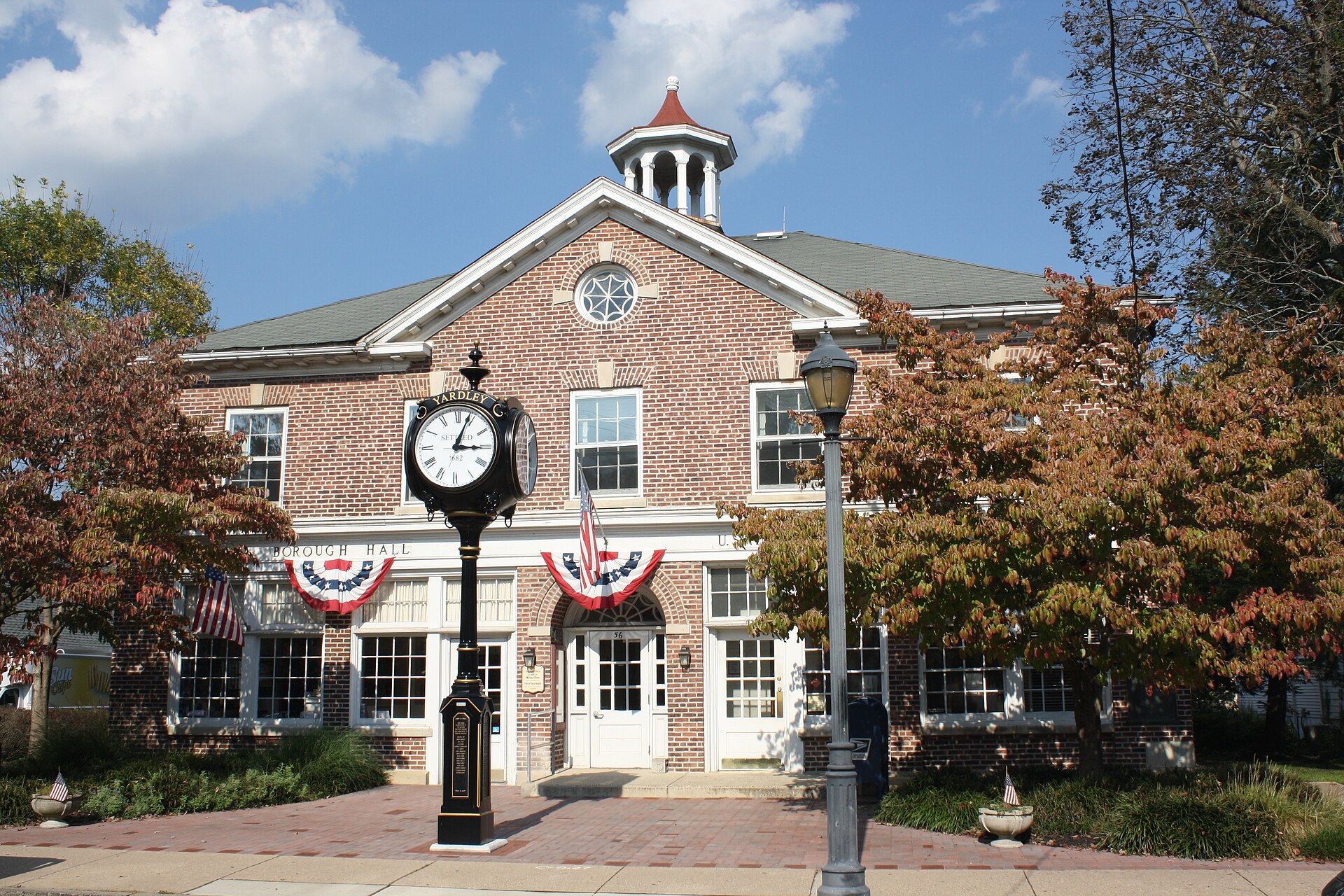
    Yardley is a small borough surrounded by the much larger Lower Makefield Township. Most listings marketed as “Yardley” are actually in Lower Makefield, which matters for taxes, schools, and lot sizes. Washington Crossing is not a municipality at all — it is a village and postal designation that straddles Upper Makefield Township, anchored by Washington Crossing Historic Park where the Continental Army crossed the Delaware in December 1776.

    The practical takeaway for buyers: the mailing address tells you less than the township does. Before you fall for a listing, confirm the municipality, the school district, and the tax parcel. A house with a Yardley address may sit in Lower Makefield with township sewer, or it may sit further out on well and septic with a very different cost profile.

    The housing stock

    These towns offer an unusually wide range at the upper end, which is part of their appeal.

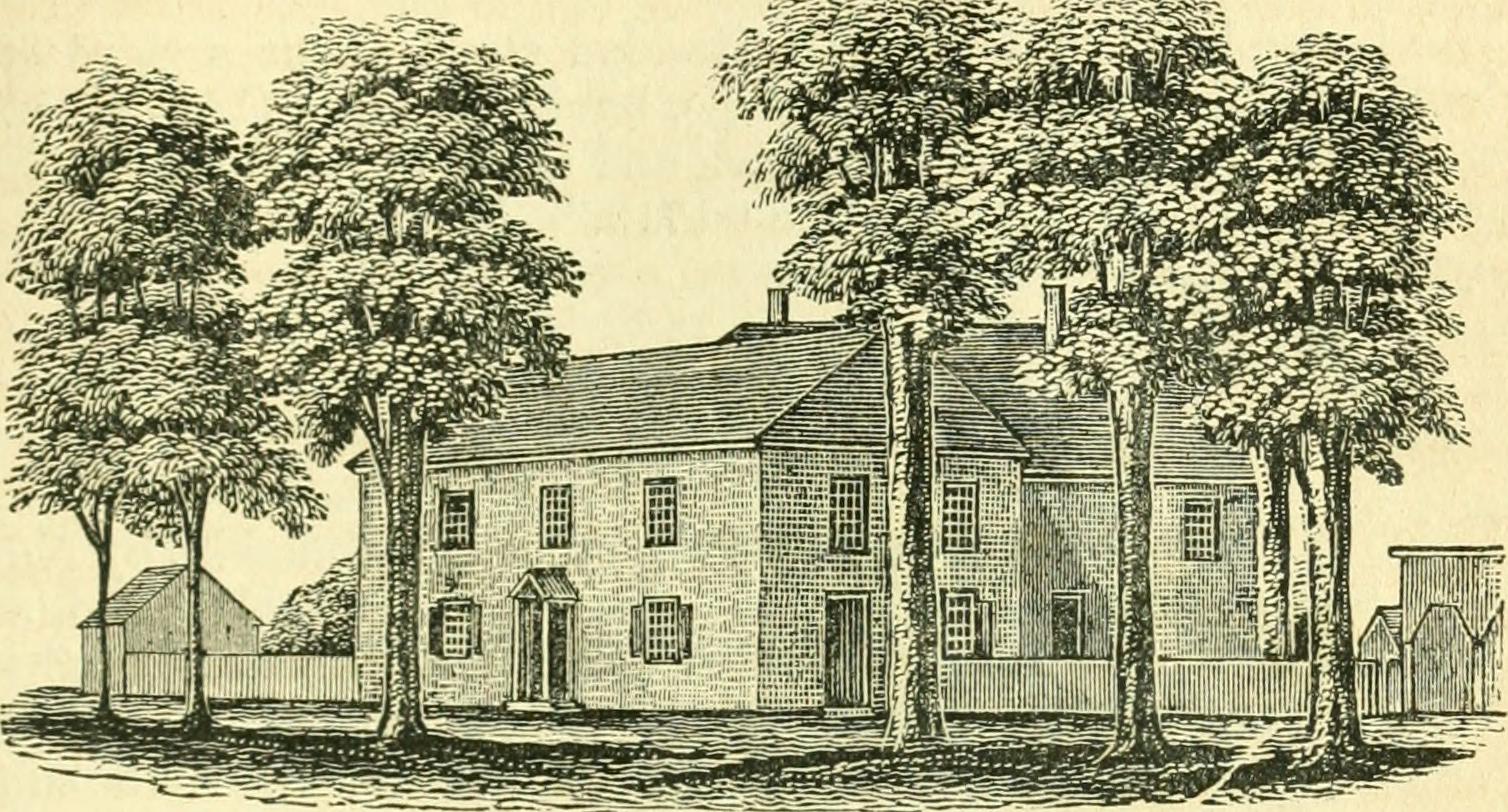
    • Historic river houses. Along River Road and in the borough itself you will find eighteenth and nineteenth century stone and frame houses, some with original millwork and walk-in fireplaces. These are the most characterful properties in the area and the most demanding to own.
    • Estate properties in Upper Makefield. North and west of Washington Crossing, lots open up considerably. Multi-acre parcels with barns, guest houses, pools, and long private drives are the norm at the top of this market.
    • Executive colonials. Lower Makefield built a great deal of large-lot suburban housing from the 1970s through the 2000s. These are the homes that trade most frequently in the upper brackets — substantial square footage, four to six bedrooms, finished lower levels.
    • Newer custom construction. Infill and small custom subdivisions continue to appear, often on former farm parcels.

    Because the range is so wide, price per square foot is a weak guide here. A restored 1790s stone farmhouse on six acres and a 2004 colonial on an acre may list within range of one another and represent completely different propositions.

    Lifestyle: canal, river, and a walkable center

    The Delaware Canal towpath runs through both communities and is the spine of daily life for a lot of residents — running, cycling, and walking for miles without crossing a road. Washington Crossing Historic Park adds several hundred acres of preserved land, and Bowman’s Hill Tower and Wildflower Preserve sit just north.

    Yardley Borough itself is compact and walkable, with a handful of restaurants, a coffee shop or two, a canal-side setting, and community events that draw people out. New Hope is a short drive up River Road for dinner and galleries. Newtown is roughly ten minutes west with a larger commercial center. Princeton is about half an hour east across the river.

    This is a meaningful differentiator versus some Main Line and Chester County options: Bucks river towns give you preserved open space and river frontage in a way that the western suburbs generally do not.

    Commuting and connectivity

    Yardley has a SEPTA station on the West Trenton Line, which runs into Center City. Trenton Transit Center is a short drive and connects to NJ Transit’s Northeast Corridor and Amtrak, which is why this area attracts people who work in New York or Princeton as well as Philadelphia. I-95 runs through Lower Makefield, and the Scudder Falls Bridge crossing into New Jersey was rebuilt in recent years.

    If you commute, drive your actual route at your actual departure time before you buy. The bridge crossings and I-95 interchanges behave very differently at 7:30 a.m. than they do on a Sunday showing.

    What luxury buyers should evaluate here specifically

    Flood exposure

    Properties near the river and the canal can carry flood risk, and the Delaware has flooded historically. Pull the flood zone designation early, get an insurance quote before your contingency period ends, and ask about elevation certificates on anything close to the water. This affects both your carrying cost and your eventual resale pool.

    Historic status and what you can change

    Older properties may sit in historic districts or carry preservation constraints. If your plan involves an addition, new windows, or a reconfigured kitchen, confirm what review you will face before you are under contract, not after.

    Well, septic, and acreage systems

    Move away from the borough and public utilities thin out. On an estate property, budget for a well flow and potability test, a full septic inspection, and a conversation about what a replacement system would cost on that particular soil. On acreage, also ask about the maintenance obligation you are inheriting — fields, drives, and outbuildings are real annual expense.

    Land preservation and easements

    Bucks County has an active farmland and open space preservation history. Some parcels carry conservation easements or preferential tax assessments that come with conditions. Read them. They can be a benefit or a serious constraint depending on your plans.

    How these towns compare to other Bucks options

    New Hope and Solebury skew more artistic and tourist-facing, with a livelier commercial core and generally older housing stock. Newtown offers a more traditional town-center suburban feel with strong schools and heavy retail nearby. Doylestown is the county seat and offers a genuinely urban small-town center with cultural institutions.

    Yardley and Washington Crossing land in between: quieter than New Hope, more connected to the river and to New Jersey than Doylestown, and with a deeper supply of large modern houses than either. If your priorities are open space, river access, and dual-metro commuting, they are hard to beat within Bucks County.

    Frequently asked questions

    Is a Yardley mailing address the same as living in Yardley Borough?

    Often not. Many homes with Yardley addresses are located in Lower Makefield Township. The distinction affects your municipal taxes, trash and sewer arrangements, zoning rules, and sometimes your school assignment. Always verify the municipality on the tax record rather than relying on the mailing address.

    Do I need flood insurance in Washington Crossing?

    It depends entirely on the individual parcel. Properties near the Delaware or the canal may be in a mapped flood zone and require coverage, while homes a short distance uphill may not. Get the specific flood zone determination and an insurance quote for the exact address during your due diligence period.

    How does the Bucks County luxury market compare to the Main Line?

    Bucks generally offers more land for the money and a more rural setting, while the Main Line offers shorter commutes to Center City and a denser cluster of established high-end neighborhoods. Which represents better value depends on your commute, your appetite for acreage, and how much you value walkable town centers. I am happy to walk through current pricing in both areas so you can compare directly.

    If you are considering a luxury home purchase or sale in Yardley, Washington Crossing, or anywhere in Bucks County, I can give you a clear read on the specific property, the township rules that apply, and what comparable homes are actually doing right now. Reach out to James Kennedy at 215-267-8479 or jameskennedy@unlockedteam.com to start the conversation.

  • Buying a Luxury Home for the Long Term: Aging-in-Place Design in Philadelphia & South Jersey

    Buying a Luxury Home for the Long Term: Aging-in-Place Design in Philadelphia & South Jersey

    Most luxury home searches are organized around the next five years: the commute, the entertaining space, the schools. Fewer are organized around the next twenty-five. That is a mistake at the high end, where buyers often intend to stay in a home for decades and where the cost of retrofitting a house that was never designed for changing mobility can be substantial. This guide covers what long-term, aging-in-place design actually means in a luxury context, what to look for while touring in Philadelphia and South Jersey, and how these features affect resale.

    Why this matters more in the luxury market

    Three things make long-term livability a bigger issue at this price point in our region. First, the housing stock skews old. Philadelphia rowhouses, Main Line stone colonials, and South Jersey Victorians were built for a different era of daily life, with narrow stairs, split levels, and bedrooms exclusively on upper floors. Second, high-end buyers frequently plan to stay put, which means the house has to work through more of life than a starter home does. Third, the retrofit cost on a large or historic home is high, and in a designated historic district some exterior changes may require review.

    None of this argues for buying a house that feels institutional. Well-executed accessibility is invisible. The best examples of it read as generous, calm design rather than as medical accommodation.

    The features that matter most

    A true first-floor primary suite

    This is the single most valuable feature for long-term livability, and it is genuinely scarce in older regional housing stock. A first-floor primary means a full bedroom and full bathroom on the entry level, not a den and a powder room. Where a home does not have one, ask whether the floor plan could accommodate one: an underused formal living room, a rear addition, or a converted sunroom sometimes can, and that feasibility question is worth answering before you buy rather than after.

    At least one no-step entry

    A single entrance without stairs, from a garage, side door, or rear patio, changes how a house functions permanently. It also helps with strollers, deliveries, and moving furniture. In city rowhouses this is often the hardest feature to find, since raised front stoops are structural to the streetscape; a rear or garage-level entry is usually the workable path.

    Door and hallway widths

    Thirty-six-inch doorways and forty-two-inch hallways are the practical standard for comfortable long-term circulation. Many grand older homes already have wide center halls, which is one respect in which historic architecture ages better than some mid-century construction. Bring a tape measure to showings; this is quick to check and expensive to change.

    Bathroom design

    Look for a curbless or low-threshold shower, blocking inside the walls for future grab bars, a comfort-height vanity, and enough clear floor space to turn around. High-end bathroom renovations increasingly do this by default, but confirm that the wall blocking is actually there rather than assumed.

    Elevators and stair solutions

    Residential elevators are more common in Center City new construction and luxury condo buildings than in suburban homes. When one is not present, the useful question is whether a shaft could be created, often by stacking closets on each floor, or whether a stair lift could be added to the main staircase without ruining it. In a home you plan to keep for decades, an elevator-ready stack of closets is a meaningful asset even if you never install the cab.

    Lighting, flooring, and hardware

    Layered lighting with generous levels at stairs and transitions, slip-resistant flooring in wet areas, consistent floor levels without small changes in elevation between rooms, and lever handles instead of knobs are all low-cost, high-impact details that read as thoughtful design rather than accommodation.

    Condos versus houses for the long term

    Center City luxury condos solve much of this by default: single-level living, elevator access from a garage, professional maintenance, and no exterior upkeep. That is a significant part of why so many regional buyers eventually move from a suburban estate into a city condo. The trade-offs are association fees, building rules on renovation, and less control over your immediate environment.

    A single-family home offers control and space but puts maintenance, snow, and stairs on you. Neither answer is universally right. The useful exercise is to be honest about which set of trade-offs you want to be living with in fifteen years, and to weigh whether you would rather make that move once, deliberately, or twice, under pressure.

    Planning a retrofit sensibly

    If you are buying a home that needs work in this direction, sequence it with your other renovations rather than treating it as a separate project later. Widening a doorway during a full-floor renovation is inexpensive; doing it alone afterward means new drywall, trim, paint, and disruption. Similarly, adding blocking behind bathroom walls costs almost nothing while the walls are already open.

    Before you plan anything structural, verify what the municipality allows. Historic district review, township zoning, and condo association rules all constrain what is possible, and in the case of an addition, setback and impervious-coverage limits can decide the question entirely. Get those answers during your inspection period.

    What this does to resale

    Buyers sometimes worry that accessibility features will narrow the market for their home. In practice, the features that matter most, a first-floor primary suite, a wide center hall, an elevator, a no-step entry, are all broadly desirable and frequently appear among the listing highlights for the region’s most expensive homes. A first-floor primary in particular is one of the most consistently requested features among move-up and downsizing buyers alike.

    The exception is work that looks clinical: institutional grab bars, ramps built without regard to the architecture, or a stair lift left in place on a formal staircase during showings. Design quality matters as much as function. If you are preparing a home for sale that has been modified over time, it is worth discussing which elements to keep in place and which to present differently. For a walk-through of how a specific home shows against current buyer expectations, ask for a pre-listing consultation.

    Frequently asked questions

    Does a first-floor primary suite add value in Philadelphia and South Jersey?

    It is among the most consistently requested features at the upper end of the suburban market and is genuinely scarce in older housing stock, which supports demand. How much it contributes depends on how well the suite is integrated into the floor plan rather than on its mere presence, so the right way to assess it is against comparable recent sales rather than a general rule.

    Can I add an elevator to a historic Philadelphia rowhouse?

    Often yes, but it depends on the structure and the regulatory setting. Interior work in a historic district is generally less constrained than exterior changes, but you will still need structural review, permits, and a workable vertical path, commonly through stacked closets. Have an architect assess feasibility during your inspection period, before you are committed.

    Should I renovate for accessibility before selling, or leave it to the buyer?

    Full accessibility renovations rarely pay for themselves as a pre-sale project. Targeted improvements that also read as general quality upgrades, better lighting, updated hardware, or a modern low-threshold shower in a dated bathroom, usually make more sense. The right call depends on your home’s condition relative to its direct competition, which is worth evaluating before you spend anything.

    Buying a home you intend to keep for decades, or preparing to move from a suburban estate into low-maintenance city living? James Kennedy advises luxury buyers and sellers across Philadelphia and South Jersey and can help you evaluate how a specific property will actually live over the long term. Call James at 215-267-8479 or email jameskennedy@unlockedteam.com.