Buyers shopping for acreage in South Jersey run into a line on the tax record that does not appear anywhere else in the region: a property assessed at a small fraction of what it just sold for. The explanation is farmland assessment, and it is one of the most misunderstood elements of buying an estate property in Salem, Gloucester, Burlington, or Cumberland County.
Understood properly, it is a meaningful long-term advantage. Misunderstood, it produces a surprise tax bill after closing and, in some cases, a restriction on what you can build. Here is what buyers at the upper end should know before writing an offer on land.
What farmland assessment actually is
New Jersey’s Farmland Assessment Act allows land actively devoted to agricultural or horticultural use to be assessed based on its farming value rather than its market value. The result is a dramatically lower tax bill on the qualifying acreage.
The eligibility framework is statutory and generally requires a minimum amount of acreage actively devoted to agriculture or horticulture, a minimum level of gross sales from that activity, and a documented history of that use, with an application filed annually with the municipal assessor. The specific acreage and income thresholds are set by law and have been adjusted over time, so confirm the figures currently in effect with the municipal tax assessor for the town in question rather than relying on what a listing or a previous owner says.
Two points buyers consistently miss. First, the house and the land immediately around it are assessed at full market value regardless. Only the qualifying farm acreage receives the reduced treatment. Second, the benefit is not automatic and it is not permanent: it must be re-applied for every year, and it depends on the land continuing to be farmed.
Rollback taxes: the expensive surprise
This is the single most important concept in this article. If land receiving farmland assessment stops being used for agriculture, New Jersey recaptures the tax benefit through what are called rollback taxes: the difference between what was paid under farmland assessment and what would have been owed at full assessment, for the year of the change plus a defined number of prior years.
The trigger is a change in use, not a change in ownership. Buying a farm and continuing to farm it does not create a rollback. Buying a farm and converting the fields to lawn, or subdividing them for a house site, generally does.
Practical consequences for a buyer:
- Decide before closing what you intend to do with the land. If you plan to stop farming it, price the rollback exposure into your offer.
- Negotiate responsibility explicitly. Who pays a rollback assessed after settlement should be addressed in the contract, not left to interpretation.
- Understand the ongoing commitment. Keeping the assessment means keeping a bona fide agricultural operation running, which may mean leasing fields to a working farmer, maintaining a hay or grain operation, or running livestock or a nursery.
- Ask the assessor directly. A short conversation with the municipal assessor before you go under agreement is the most reliable information you will get.
Preserved farmland is a different animal
Farmland assessment is a tax program. Farmland preservation is a permanent land-use restriction, and the two are frequently confused.
Through New Jersey’s State Agriculture Development Committee and county and municipal preservation programs, landowners sell the development rights to their property. What remains is a deed of easement recorded against the land, permanently limiting non-agricultural development. Municipal Green Acres and open-space acquisitions work on a related principle for conservation land.
If a property is preserved, the easement is the controlling document, and it typically governs:
- Whether any additional residence may ever be built, and where
- The size and placement of agricultural structures
- Whether the land may be subdivided, which is usually prohibited
- Non-agricultural uses such as events, commercial recreation, or solar installations
- Impervious coverage limits across the parcel
A buyer planning a new custom home, a guest house, an indoor riding arena, or a pool complex on preserved land needs to read the recorded easement itself, not a summary. Preservation is permanent and travels with the deed regardless of who owns it.
Where you encounter this
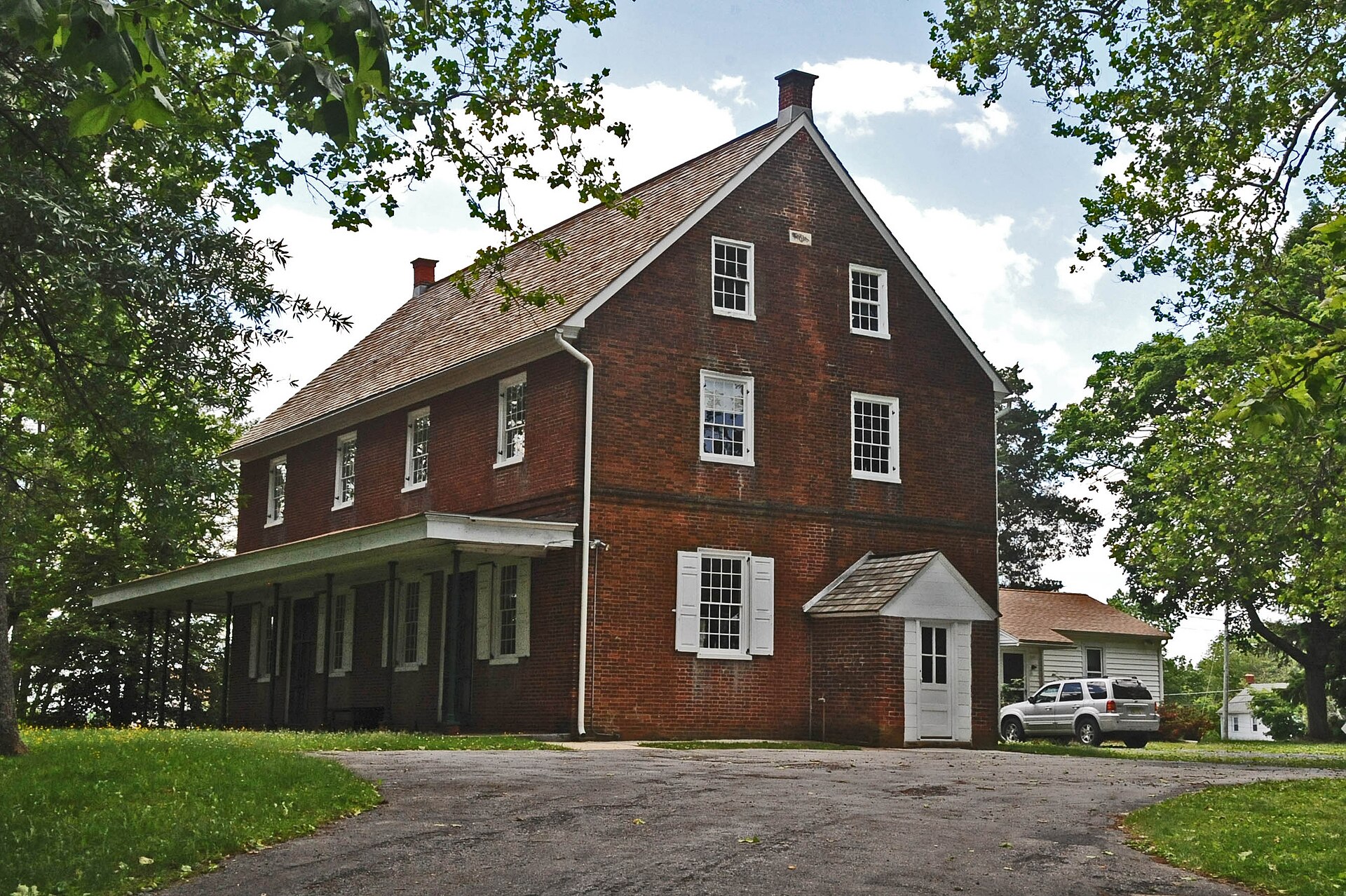
The farm belt runs through Salem County towns like Pilesgrove, Upper Pittsgrove, and Woodstown; Gloucester County’s Harrison Township and Elk Township around Mullica Hill; Burlington County’s Chesterfield, Springfield, Mansfield, and the Pinelands communities of Shamong and Tabernacle; and stretches of Cumberland and Atlantic counties. These are also where the region’s most compelling estate properties sit: restored farmhouses, equestrian facilities, and custom homes on twenty or fifty acres, generally at a lower price per acre than comparable land in Chester County.
Due diligence checklist for a South Jersey land purchase
- Pull the current tax record and identify exactly which acreage is farmland-assessed
- Search the deed for any easement, whether preservation, conservation, or utility
- Confirm rollback exposure and the recapture period with the assessor
- Verify the zoning and the minimum lot size for any future subdivision
- Test the well and inspect the septic system, and locate them on a survey
- Check for underground storage tanks, historic fuel or chemical storage, and any environmental filings
- Confirm wetlands delineation and flood mapping
- Ask whether any farm lease exists and what its term is
- Review Right to Farm implications, since neighboring agricultural operations are legally protected in their normal activities
Financing considerations
Large-acreage properties do not always fit conventional residential underwriting. Appraisal is harder because comparable sales are scarce and the value split between house, outbuildings, and land is not obvious. Some lenders cap the acreage they will lend against, and outbuildings may contribute little or nothing to appraised value. Buyers pursuing these properties benefit from a lender who has closed farm and estate transactions in South Jersey before, and from starting that conversation early rather than after an offer is accepted.
Frequently asked questions
Will my taxes go up when I buy a farm-assessed property?
Not from the sale itself, since farmland assessment follows the use of the land rather than the ownership. Your taxes will change if you stop farming the qualifying acreage, if you fail to file the annual application, or if the town reassesses. If the use changes, rollback taxes may also be assessed for the current and prior years.
Can I build a new house on preserved farmland?
Usually not, and where any residential construction is permitted it is tightly limited by the recorded deed of easement. Never assume a house site exists because the parcel is large. Obtain and read the easement, and confirm with the county agriculture development board before you commit.
Do I have to farm the land myself to keep the assessment?
No. Leasing the qualifying acreage to a working farmer is common and widely accepted, provided the agricultural activity and the gross sales requirements are genuinely met and documented each year. Many estate owners in South Jersey keep their assessment exactly this way.
If you are buying or selling at the high end in Philadelphia or South Jersey, James Kennedy can give you current, address-specific numbers and a plan built around your timeline. Call 215-267-8479 or email jameskennedy@unlockedteam.com to start the conversation.