
Category: Buying

  • Tredyffrin and Easttown Townships, Pennsylvania: A Valley Forge-Area Guide for Luxury Home Buyers

    Tredyffrin and Easttown Townships sit at the western end of the Main Line, where Chester County’s rolling terrain meets rail-served villages and the historic landscape surrounding Valley Forge. For luxury buyers who want space, character, and a workable commute to Center City, this corridor offers a mix of stone farmhouses, Georgian and Colonial estates, and newer custom homes on landscaped lots. This guide explains how the two townships differ, what to evaluate, and how to approach a purchase.

    Two townships, several distinct personalities

    Although often mentioned together, Tredyffrin and Easttown are separate municipalities with their own tax structures, zoning rules, and local character. Tredyffrin includes communities and neighborhoods near Paoli, Strafford, Chesterbrook, and the Valley Forge area. Easttown includes parts of Berwyn and Devon. Both are part of the Tredyffrin/Easttown School District, one of the most frequently cited factors in luxury home searches here.

    Within them you will find very different settings: walkable blocks near train stations, quiet cul-de-sacs of mid-century and late twentieth-century homes, and larger estate parcels with long drives and mature plantings. Matching the micro-location to your daily routine is the single most important decision you will make.

    The housing stock you will encounter

    • Historic stone homes: Fieldstone farmhouses and manor houses, some dating to the 1700s and 1800s, often with additions that blend old and new construction.
    • Early twentieth-century Main Line architecture: Tudor, Colonial Revival, and Georgian homes with detailed millwork, formal rooms, and generous lots.
    • Custom and newer construction: Larger floor plans with open kitchens, primary suites, finished lower levels, and attached multi-car garages.
    • Townhome and carriage-style communities: Low-maintenance options for downsizers who still want proximity to Main Line amenities.

    Living near Valley Forge

    Proximity to Valley Forge National Historical Park is a lifestyle draw for many residents. Miles of trails, open meadows, and protected landscape shape the character of nearby neighborhoods and offer a green buffer that few suburban areas can match. At the same time, buyers should look carefully at how close a property sits to major roads, since the area is crossed by significant highway corridors. Visit at rush hour and on weekends before deciding.

    Commuting and transportation

    Train service on the Paoli/Thorndale line makes Center City commuting realistic from stations in the corridor, while the region’s highway network supports driving to King of Prussia, Wilmington, and the airport. Many buyers choose a home based on walking distance to a station; others prefer a more secluded lot and accept a short drive. Confirm schedules and parking arrangements directly with the transit authority, since service patterns change.

    Due diligence specific to older Chester County homes

    Stone and fieldstone houses reward careful inspection. Ask for evaluations of masonry and pointing, roof systems, chimneys, and original wood framing. Basements in older homes can have moisture issues, so ask about drainage and any past waterproofing. Properties not served by public sewer or water require well and septic evaluations. Homes near wooded or stream-adjacent land may involve floodplain, stormwater, and tree-preservation rules that affect future additions.

    How to approach your search

    Begin by defining your priorities: school district, commute, lot size, and architectural preference. Then tour a range of styles in person, because photographs rarely convey how a stone house with additions flows or how a lot feels relative to its neighbors. Well-presented properties in desirable pockets can attract attention quickly, so have your pre-approval, proof of funds, and inspection team lined up in advance. For jumbo financing, speak with a lender early about documentation requirements.

    Selling in Tredyffrin or Easttown

    Sellers benefit from presenting a home’s architectural story while addressing deferred maintenance up front. Professional photography, thoughtful staging, and accurate pricing based on truly comparable sales matter, particularly for unusual historic properties where comparables are limited. A pre-listing inspection can remove surprises and strengthen your negotiating position.

    Schools, taxes, and the cost of ownership

    Many buyers are drawn here by the school district, but a sound purchase decision looks at the whole cost of ownership. Pennsylvania property taxes vary by township and school district, and assessments can change after a sale or reassessment. Ask your agent and attorney to explain how taxes are calculated for the specific parcel, and budget for insurance, utilities, landscaping, and periodic maintenance on larger lots. Homes with slate roofs, copper gutters, or extensive masonry tend to carry higher upkeep costs, and it is wise to plan for them rather than be surprised.

    Dining, shopping, and everyday life

    Day-to-day life in the corridor is convenient. Village centers around the train stations offer restaurants, cafes, and services, while larger shopping and dining options are a short drive away. Parks, trails, and country clubs add recreation, and the region’s cultural institutions in Center City remain accessible by rail. Spend a weekend in the area before you buy to see how a given pocket feels at different times of day.

    Frequently asked questions

    Is Tredyffrin the same as Easttown?

    No. They are two separate townships with their own municipal governments and tax structures, although they share a school district and many residents think of them as one Main Line area.

    Can you commute to Center City from this area?

    Yes. Rail stations along the Paoli/Thorndale line serve the corridor, and many buyers choose homes with walking access to a station. Check current schedules and parking rules with the transit authority.

    What should I inspect in an older stone home?

    Prioritize masonry and pointing, roof and chimney condition, moisture in the basement, the electrical and heating systems, and any private well or septic components. A specialist familiar with historic construction is valuable.

    Ready to talk about your next move? Contact James Kennedy at 215-267-8479 or jameskennedy@unlockedteam.com for current local guidance on luxury real estate in Philadelphia and South Jersey.

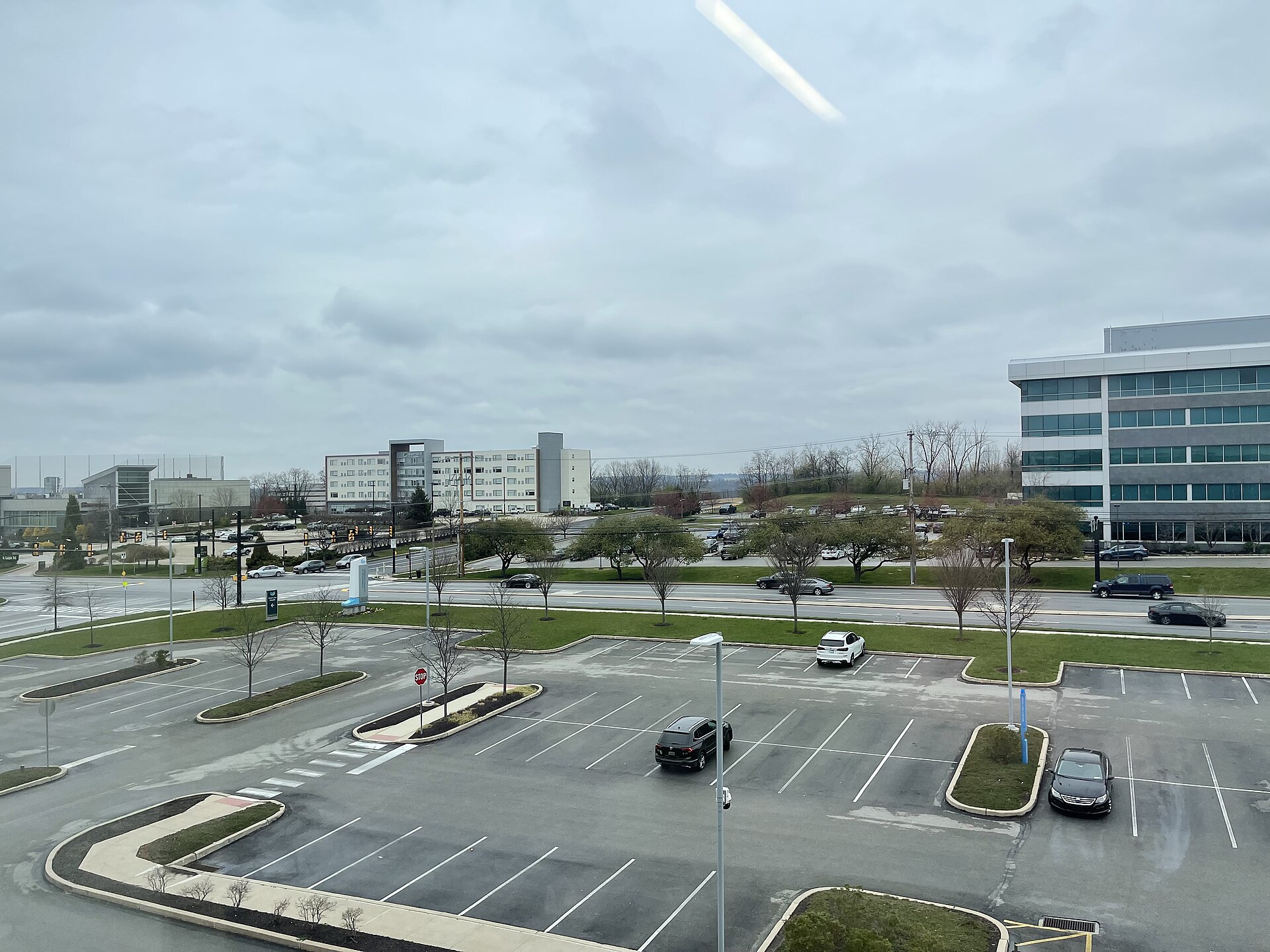
  • Boundary Disputes, Encroachments, and Adverse Possession: What Luxury Buyers and Sellers Should Know in Pennsylvania and New Jersey

    Boundary Disputes, Encroachments, and Adverse Possession: What Luxury Buyers and Sellers Should Know in Pennsylvania and New Jersey

    A neighbor’s fence that sits a few feet onto your lot, a driveway shared for decades without paperwork, or a hedge everyone assumed marked the property line: boundary questions surface more often than buyers expect, and they can complicate a luxury purchase or sale. In Pennsylvania and New Jersey, long-standing use can sometimes create legal rights, and unresolved disputes can slow a closing. This guide explains the basics so you can recognize issues early and handle them with the right professionals.

    Why boundary issues matter more in older neighborhoods

    Philadelphia and its older suburbs include properties whose boundaries were drawn generations ago. Fences, walls, driveways, and plantings were often placed by earlier owners based on convenience or assumption. Over time, those informal arrangements can become accepted fact, even when they differ from what the recorded deed says.

    In luxury real estate the stakes are higher because lots are larger, landscaping and hardscape are substantial, and buyers expect clean title. A garden wall or a pool that crosses a line is a very different problem from a stray shrub.

    Encroachments: the most common scenario

    An encroachment occurs when a structure or improvement extends onto a neighboring parcel. Common examples include fences, retaining walls, driveways, sheds, decks, and the eaves of an addition. A survey is usually the tool that reveals them. If a survey shows an encroachment, the questions become who owns the affected area, how long the situation has existed, and whether the neighbors are willing to document an agreement.

    Adverse possession and prescriptive easements in plain English

    Both states recognize doctrines that can give someone rights in land they have used openly over a long time, although the requirements are specific and strictly applied. Adverse possession is about acquiring ownership of land; a prescriptive easement is about acquiring a right to use land, such as a shared driveway, without owning it. Courts generally look at how long the use lasted, whether it was open and continuous, and whether it was permitted by the owner.

    Because these cases turn on facts and statutory details, do not assume your situation fits or does not fit. A real estate attorney should evaluate any claim, and this article is general education rather than legal advice.

    How to uncover boundary problems before you buy

    • Order a current survey: an older survey may not reflect later fences, additions, or driveways.
    • Walk the property lines: compare physical markers with the survey and ask the sellers about any informal agreements.
    • Review title work: look for recorded easements, rights-of-way, and any prior agreements with neighbors.
    • Ask about disputes: disclosure forms and direct questions can reveal history.
    • Talk to the neighbors: when appropriate and with your agent’s guidance, a courteous conversation can clarify decades of unwritten understandings.

    Resolving an issue before closing

    Solutions depend on the facts. Parties sometimes sign a boundary line agreement, record an easement, adjust the lot line through a formal process, relocate a structure, or negotiate a price credit. Title insurers may also take exceptions for matters a survey reveals, so read the commitment carefully. When a neighbor is cooperative, fixes are often inexpensive; when relations are strained, build extra time into the contract or reconsider the purchase.

    Selling with a known boundary question

    Sellers should address known issues proactively. Get a fresh survey, understand what your disclosures require, and consider resolving the matter before listing. A documented agreement with a neighbor reassures buyers and their lenders, whereas surprises discovered late can erode trust and leverage. Your agent and attorney can help you decide whether to fix, disclose, or price around the issue.

    Working with your attorney and title company

    Boundary questions are rarely solved by an agent alone. Your attorney can interpret the survey, the deed, and the title commitment, advise on whether a recorded agreement or an easement is appropriate, and help you negotiate language in the agreement of sale. In New Jersey, the attorney review period offers an early chance to raise concerns; in Pennsylvania, contingencies and due-diligence deadlines serve a similar purpose. Do not let a tight timeline push you past a question that deserves a real answer.

    Also consider how the issue interacts with financing and insurance. Lenders and underwriters may require clear title and acceptable survey results, and an unresolved encroachment can delay or derail a closing. Raising the matter early gives everyone time to fix it, which protects your deposit and your timeline.

    For luxury properties with pools, gates, guest houses, or long driveways, the stakes of getting the lines right are simply larger. Treat boundary diligence as a normal part of the process, not a sign that something is wrong with the home.

    Frequently asked questions

    Does a fence always mark the legal property line?

    No. Fences are frequently placed for convenience and may sit inside or outside the recorded boundary. A current survey is the reliable way to compare physical features with the legal description.

    Can a neighbor gain rights to part of my property?

    In limited circumstances, long-standing and open use can support claims such as adverse possession or a prescriptive easement, but the legal requirements are demanding and fact-specific. Consult a real estate attorney about your particular situation.

    Will a survey always be required for a luxury purchase?

    Not always, but it is strongly advisable for estate lots, older properties, and any home with walls, pools, or driveways near the lines. Your attorney and agent can advise based on the property.

    Ready to talk through your plans? Contact James Kennedy at 215-267-8479 or jameskennedy@unlockedteam.com for a confidential conversation about luxury real estate in Philadelphia and South Jersey.
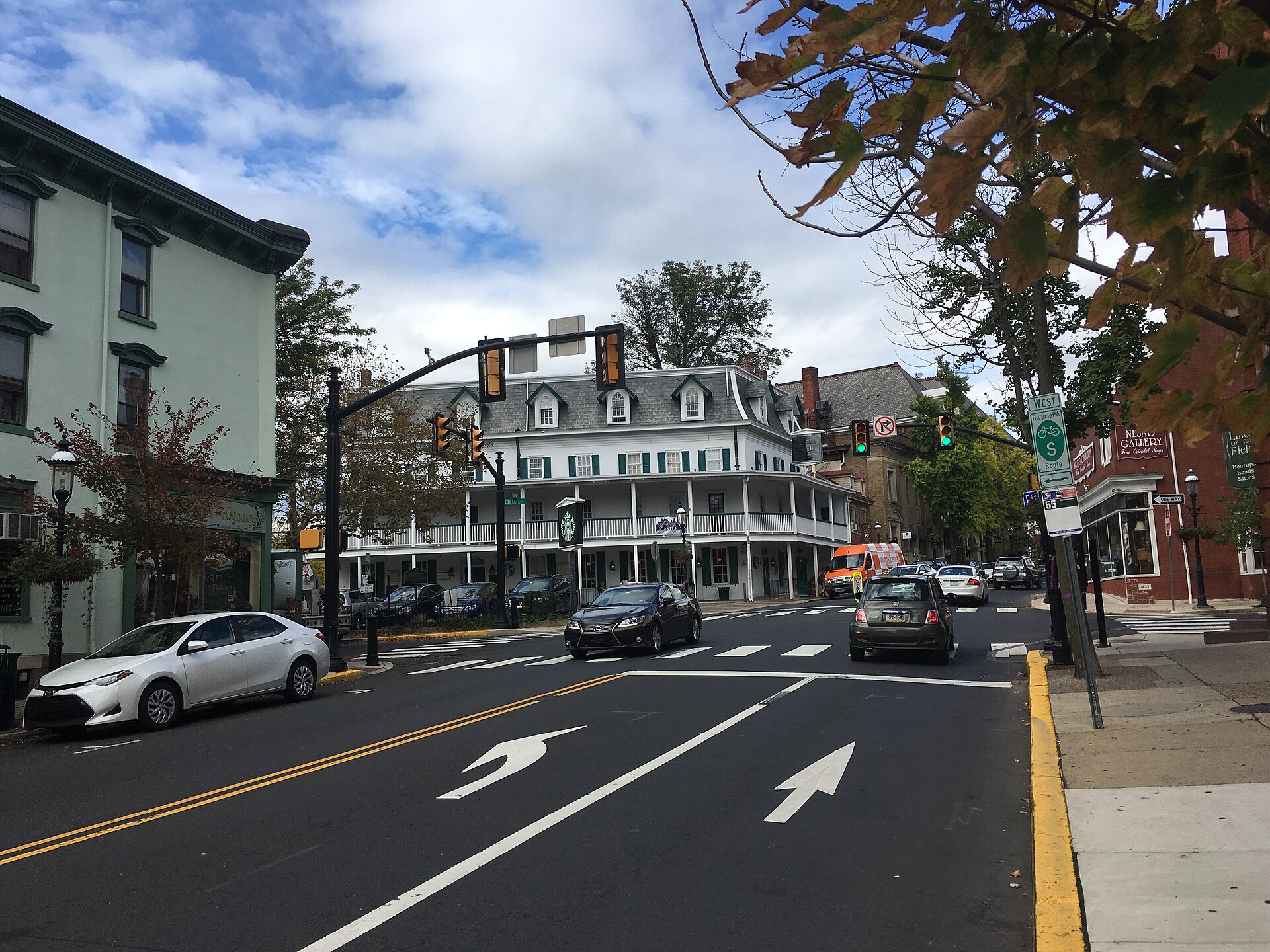
  • King of Prussia and Upper Merion, Pennsylvania: A Montgomery County Guide for Luxury Home Buyers

    King of Prussia and Upper Merion, Pennsylvania: A Montgomery County Guide for Luxury Home Buyers

    King of Prussia has a reputation that runs ahead of its residential reality. Most people know it for the mall, the corporate offices, and the highway interchanges. Fewer realize that Upper Merion Township also contains quiet, established residential pockets, newer luxury townhome and condominium communities, and convenient access to both Center City and the Main Line. This guide explains how luxury buyers can evaluate King of Prussia and the surrounding parts of Upper Merion Township.

    Why luxury buyers look at King of Prussia

    The central appeal is access. Several major roadways meet here, regional rail and bus service connect the area to Norristown and Center City, and large employers, hospitals, and corporate campuses are close by. For executives with a demanding commute or frequent travel, that connectivity can matter more than a prestigious street name.

    The area also offers a broad range of housing within a short drive: single-family homes on wooded streets, newer townhomes with elevators and attached garages, and condominium living with low-maintenance appeal. That range makes it a useful option for buyers who want to downsize from a larger suburban property without leaving the region.

    Housing styles you will encounter

    • Established single-family neighborhoods: mid-century and later colonials, split-levels, and contemporaries on mature lots, many of which have been renovated or expanded.
    • Luxury townhome communities: newer construction with first-floor primary suites, private garages, and association-maintained exteriors.
    • Condominiums and apartments-turned-condos: options for buyers who want a lock-and-leave lifestyle.
    • Estate-style properties at the edges of the township: larger parcels near the border with Radnor, Lower Merion, and Chester County, where the setting is more wooded and private.

    Because these categories differ so much in maintenance responsibility, carrying costs, and resale dynamics, it helps to decide early which lifestyle you actually want rather than shopping by price alone.

    Commuting and daily convenience

    Living in King of Prussia generally means short drives to shopping, dining, medical care, and offices, with several routes toward Philadelphia, the Main Line, and the western suburbs. Rush-hour congestion on the major corridors is real, so test the commute you would actually make, at the hour you would actually make it, before you commit.

    Buyers who split time between Center City and the suburbs often value the ability to reach either quickly. If you rely on public transit, check the distance from a specific home to the nearest stop rather than assuming it is convenient because the township has service.

    Townhomes and associations: what to review

    Many of the area’s luxury options sit inside planned communities. Before you fall in love with a unit, request the full association package: governing documents, current budget, reserve information, rules on rentals and exterior changes, and any pending special assessments. Ask what the monthly fee covers, how often it has changed, and whether the community has completed major capital work such as roofs or paving.

    Review insurance requirements as well. Coverage responsibilities between the association’s master policy and your own policy vary and can affect your costs and your protection after a loss.

    Property taxes, schools, and township services

    Pennsylvania property taxes depend on the county, municipality, and school district, and assessments can change over time. Rather than relying on a listing’s tax figure, ask your agent to review how the taxes may be recalculated and what the school district’s recent decisions mean for future bills. Evaluate schools directly by visiting, reviewing official data, and speaking with local families, since reputations can lag behind reality in either direction.

    How to tell a strong home from an average one here

    In a market with many similar townhomes and renovated colonials, the details separate the best from the rest: lot privacy, noise exposure from nearby roads, quality of updates, natural light, parking convenience, and storage. Homes that offer one-level living, a true home office, or a rare outdoor space tend to hold appeal for a wide pool of future buyers, which supports resale.

    Dining, culture, and everyday lifestyle

    Day-to-day life here leans practical and convenient: a wide choice of restaurants, fitness options, medical offices, and retail within minutes. Cultural destinations in Philadelphia, along the Main Line, and in Valley Forge National Historical Park and the nearby trail network are all easy to reach. Buyers who want a calmer weekend rhythm often use the area’s parks and Schuylkill River Trail connections to balance a busy work week.

    If you are comparing King of Prussia with Wayne, Radnor, or Conshohocken, spend a weekend in each. The right choice usually comes down to whether you value walkability, privacy, prestige of address, or sheer convenience most, and each community answers that differently.

    Finally, consider future change. Commercial development and infrastructure projects can influence traffic, noise, and neighborhood character over time. Ask about approved projects near any home you are seriously considering, and review township planning information so there are no surprises after you move in.

    Frequently asked questions

    Is King of Prussia considered a luxury market?

    It contains luxury pockets rather than a single uniform luxury identity. Newer townhome communities, renovated single-family homes, and estate-style properties near the township’s edges attract higher-end buyers. Your best approach is to evaluate specific streets and communities, not the township as a whole.

    Who tends to buy luxury homes in King of Prussia?

    Common buyers include executives who value commuting access, downsizers seeking low-maintenance living, and relocating professionals who want a convenient base while they learn the region. Needs vary, so a conversation about priorities is the best first step.

    What should I verify before buying a townhome in an association?

    Review the governing documents, budget, reserve funding, rental and exterior rules, insurance requirements, and any planned or pending assessments. Your agent and attorney can help you interpret what you find.

    Ready to talk through your plans? Contact James Kennedy at 215-267-8479 or jameskennedy@unlockedteam.com for a confidential conversation about luxury real estate in Philadelphia and South Jersey.

  • Open Permits, Unpermitted Work, and Mechanics’ Liens: A Luxury Buyer’s Due Diligence Guide

    A beautifully finished home can still carry a hidden problem: work done without the proper permits. In Philadelphia and across South Jersey, open permits, unpermitted additions, and unresolved contractor claims can complicate a purchase or a sale. Knowing how to find and address them is one of the most valuable forms of due diligence for a luxury transaction.

    Why permits matter more at the high end

    Luxury homes frequently have extensive renovation histories: finished basements, kitchen expansions, new primary suites, converted attics, decks, pools, and detached structures. Each of these typically requires municipal review. When work is done without approval, the current owner inherits the risk, and a future buyer does too.

    Beyond legality, permits matter because inspections verify that structural, electrical, plumbing, and mechanical work meets code. A finished space that looks perfect may conceal wiring or framing that nobody with authority ever checked.

    Open permits versus unpermitted work

    An open permit means a permit was issued but the work was never signed off, so the municipality has no record of final approval. Unpermitted work means no permit was ever pulled. They are related but different problems, and the path to resolving them differs.

    • Open permits: Often resolved by scheduling the missing inspections, though the contractor of record may no longer be available.
    • Unpermitted work: May require applying retroactively, opening walls for inspection, or in some cases correcting or removing the work.

    How to research a property’s permit history

    In Philadelphia, the Department of Licenses and Inspections maintains public records that your agent or attorney can review for permit history and violations. In South Jersey, permit and certificate records are held at the municipal level, and each town handles requests a little differently. New Jersey sellers often need a certificate of occupancy or similar municipal approval at resale, which can surface issues on its own.

    Compare the permit record against what you actually see. If the listing advertises a finished lower level, a third-floor suite, or an addition, look for matching permits. Gaps are a prompt to ask questions, not necessarily a reason to walk away.

    Mechanics’ liens and contractor claims

    Unpaid contractors may have legal rights that attach to a property, and recent renovations are the most likely source. Your title search should reveal recorded claims, but timing matters, since some rights can be asserted after work is complete. Ask the seller about recent projects, request proof of payment for major work, and discuss with your attorney whether additional protection is appropriate.

    Negotiating when problems appear

    When research reveals open permits or unpermitted work, buyers generally have several options: ask the seller to resolve the issue before closing, negotiate a credit or price adjustment, escrow funds for the cure, or decline to proceed. The right choice depends on cost, timeline, and your tolerance for post-closing work.

    Sellers, in turn, can reduce friction by addressing permit questions before listing. A pre-listing review that surfaces and closes out open items keeps negotiations focused on value rather than risk.

    Practical steps for buyers and sellers

    • Ask for permit documentation on all significant renovations.
    • Have your attorney review title for recorded claims.
    • Use inspectors who will flag signs of unpermitted work, such as mismatched panels or unusual framing.
    • Confirm insurance implications with your carrier, since unpermitted improvements can affect coverage.

    A note for South Jersey buyers and sellers

    New Jersey transactions add another layer through municipal resale requirements, which often include inspections for smoke detectors, carbon monoxide alarms, and fire extinguishers, along with a certificate of occupancy in many towns. These requirements can reveal structural or use-related issues, so sellers should check local rules early and schedule any required inspections well before the closing date.

    Because each municipality sets its own procedures and timelines, work with an agent who knows the specific town. In places like Haddonfield, Moorestown, and Cherry Hill, familiarity with local offices can save valuable days.

    Building a paper trail that protects everyone

    Whether you are buying or selling, documentation is your best defense. Collect permits, final inspection approvals, contractor invoices, warranties, and architectural drawings for any significant project. For sellers, a well-organized binder of this material signals a carefully maintained home and can reassure buyers and appraisers. For buyers, it provides a foundation for future renovations, insurance conversations, and eventually your own resale.

    If records are missing, do not panic. Many gaps can be filled by contacting the municipality or the original contractor, and a candid conversation early in the contract period usually produces better results than a dispute near closing.

    When to bring in specialists

    For significant concerns, consider a structural engineer, licensed electrician, or code consultant to evaluate questionable work. Their findings give you objective support for negotiating repairs or credits, and they help you price a cure accurately rather than guessing. The cost of an expert opinion is small compared with the exposure of buying a luxury home with hidden defects.

    Frequently asked questions

    Can unpermitted work stop a sale?

    It can complicate one. Lenders, insurers, and municipalities may each raise concerns, so unresolved issues can delay or reshape a deal. Early discovery gives both sides room to find a solution.

    Who is responsible for fixing open permits?

    Responsibility is negotiated in the contract. Sellers often cure them before closing, but buyers sometimes accept a credit and handle the work themselves.

    Should I check permits even if the home was recently renovated?

    Yes. A recent renovation is exactly when permit gaps and contractor claims are most likely to exist, so verify the paperwork even when the finishes look flawless.

    Ready to talk through your plans? Contact James Kennedy at 215-267-8479 or jameskennedy@unlockedteam.com for guidance tailored to Philadelphia and South Jersey luxury real estate.

  • Ground Rents in Pennsylvania: What Philadelphia-Area Luxury Buyers and Sellers Should Know

    Few things surprise buyers of Philadelphia-area homes as much as discovering that the land beneath an otherwise fee-simple house is subject to a ground rent. The arrangement is a centuries-old holdover, yet it still appears in title work across Philadelphia, parts of Delaware and Bucks counties, and a handful of other older communities. For luxury buyers and sellers, understanding it early prevents last-minute settlement delays and unnecessary worry.

    What a ground rent actually is

    A ground rent is a recurring payment owed to the holder of a historic interest in the land underneath a property. Long ago, a landowner would convey a building lot while reserving an annual payment, often a modest fixed sum, to be paid in perpetuity. The buyer of the house typically owns the structure and the right to occupy the land, while the ground rent holder retains a financial claim tied to the lot.

    In many Pennsylvania cases the original arrangement has long since been extinguished, forgotten, or made irrelevant by modern title practice. In others, a payment obligation still exists on paper. Your title company and real estate attorney are the right professionals to determine which situation applies to a specific address.

    Where buyers tend to encounter it

    Ground rents are most associated with older housing stock: historic rowhomes, townhomes, and some early twin and single-family neighborhoods. A buyer pursuing a Society Hill, Queen Village, Fairmount, or Germantown property, or an older home in a first-ring suburb, should expect the title search to look specifically for this item.

    Newer luxury construction and condominium buildings rarely involve ground rents, though a few mixed-use or specially structured properties may carry other long-term land lease obligations that function similarly. The distinction between a ground rent and a true ground lease matters, and it is worth asking directly.

    How a ground rent can affect a transaction

    • Title and settlement: An outstanding ground rent may need to be addressed, documented, or extinguished before the title company will insure cleanly.
    • Financing: Lenders review title exceptions. An unresolved ground rent can trigger additional requirements, particularly for jumbo loans where underwriting is more detailed.
    • Ongoing costs: If a payment is owed, it adds to the annual carrying cost, though the amounts historically involved are often modest relative to a luxury purchase.
    • Resale: Unresolved items travel with the property, so buyers today become the sellers who must answer the question tomorrow.

    Questions to ask early in the process

    The best time to raise ground rent is before you submit an offer, or at the latest during the due-diligence window. Ask the listing side whether the seller has ever paid a ground rent, received a notice, or been told one exists. Request any deed in the seller’s possession and ask your attorney to review the chain of title for reservations of rent.

    It is also reasonable to ask the title company to flag the issue in a preliminary title report rather than waiting for the final commitment. Early information gives you room to negotiate, whether that means a seller-paid resolution, a credit, or simply peace of mind that nothing is outstanding.

    Resolving or extinguishing a ground rent

    Pennsylvania law provides defined pathways for dealing with ground rents, and the right route depends on the facts, including who holds the rent, whether the holder can be located, and what the documents say. Some situations are resolved administratively by the title company; others require legal action or a negotiated release.

    Because these processes are fact-specific, avoid relying on generalities. A real estate attorney who regularly closes Philadelphia-area transactions will know what the title insurer will accept and how long the cure is likely to take, which matters when you are working against a mortgage commitment or a rate-lock expiration.

    Protecting yourself as a seller

    If you own a historic home, review your deed and any old closing documents before you list. Surfacing a question before buyers do avoids a mid-contract surprise that can erode negotiating leverage. A pre-listing title review is a small step that often prevents a large headache, especially for a home with a long ownership history or a trust or estate in its chain of title.

    Working with your attorney and title company

    Because ground rent issues sit at the intersection of property law and title insurance, the strongest approach is a coordinated one. Your attorney reviews the deed history, the title company reports what is of record, and your agent keeps the contract calendar moving so that the due-diligence window, mortgage commitment, and settlement date remain aligned.

    Ask for written confirmation of how any item will be handled at settlement. If a cure is promised after closing, understand who bears the cost and whether funds will be held in escrow. Clear answers on paper protect both sides and prevent surprises months later.

    Why this matters for luxury properties specifically

    At higher price points, buyers rightly expect a clean, insurable title and a smooth closing. Lenders underwriting jumbo loans tend to scrutinize exceptions carefully, and a small unresolved matter can create outsized friction. Historic homes in established neighborhoods also tend to have longer chains of title, which means more opportunities for old reservations to surface. Treat the ground rent question as routine diligence for any older property rather than as a red flag, and you will be well positioned to handle whatever the title search reveals.

    Sellers who clear up questions before listing often find that buyers respond with greater confidence, because a transparent, well-documented title signals a well-managed property.

    Frequently asked questions

    Is a ground rent the same as an HOA fee?

    No. A homeowners association fee funds shared amenities and maintenance for a community, while a ground rent is a historic payment tied to the land itself. Some properties can have both, so ask about each separately.

    Will a ground rent stop me from getting a mortgage?

    Not necessarily. Lenders and title insurers care about whether the item is properly documented or resolved. An unresolved issue can add steps to underwriting, so raising it early is the best way to keep your timeline on track.

    Who should I ask about ground rent on a specific property?

    Start with your real estate attorney and the title company, who can review the chain of title and report what is on record. Your agent can help coordinate those conversations and keep the contract timeline in view.

    Ready to talk through your plans? Contact James Kennedy at 215-267-8479 or jameskennedy@unlockedteam.com for guidance tailored to Philadelphia and South Jersey luxury real estate.

  • Hainesport and Westampton, New Jersey: A Burlington County Guide for Luxury and Executive Home Buyers

    Between the established suburbs of Moorestown and Mount Laurel and the Pinelands to the east lie two Burlington County townships that deserve a closer look from buyers who value space, access and a calmer pace. Hainesport and Westampton offer a mix of newer subdivisions, established neighborhoods and open land within reach of major highways and the Delaware River crossings. They are not the best-known addresses in South Jersey, which is part of the appeal for buyers seeking value relative to more heavily marketed neighbors.

    Setting and character

    Hainesport sits along the Rancocas Creek corridor, with a small-town feel, a mix of housing ages, and nearby access to Mount Holly and the Pinelands edge. Westampton, adjacent to Mount Holly, Lumberton and Eastampton, combines residential neighborhoods with open space and farmland. Both offer larger lots than many inner-ring suburbs, and some streets feature custom or semi-custom homes.

    Because inventory in each township is limited at the upper end, patience and a relationship with an agent who watches new listings can make the difference.

    Housing types to expect

    Buyers will typically find a range of styles and ages, and it pays to understand what each means for price and upkeep.

    • Newer executive homes in planned communities with two-story foyers, finished basements and four or five bedrooms.
    • Established colonials and split-levels on generous lots that may be candidates for renovation.
    • Custom homes and small estates on larger parcels, where well, septic and drainage deserve scrutiny.
    • Active adult and townhome communities for those downsizing within the county.

    Commuting and convenience

    One of the strongest arguments for this area is its position near major routes. Residents commonly reach Philadelphia, Princeton, Trenton and the Jersey Shore by car, and the region has rail and bus options within a short drive. Commute times vary widely with traffic and bridge conditions, so test your own route at the hours you would actually travel.

    Shopping, dining, medical facilities and recreation are close by, including parkland and waterways for kayaking and walking. Buyers who enjoy outdoor space often find the combination of room and access compelling.

    Schools and community

    School assignments depend on the specific address and on regional and district boundaries, so confirm them directly with the district and do not rely on a listing description. Many families also consider private and parochial options in the area. Because boundaries and programs can change, verify before you write an offer.

    What to check on larger lots

    Many higher-priced homes in this part of Burlington County sit on larger parcels. Request surveys and look at drainage, floodplain status where waterways are close, and the condition of private wells and septic systems if the property is not on public utilities. Check for underground oil tanks on older homes, and ask about farmland assessment or open-space restrictions if the land has agricultural history. Flood insurance requirements can vary by parcel, so obtain a quote early.

    How it compares

    Compared with Moorestown, buyers in Hainesport and Westampton may find newer construction and more space for the money, but fewer walkable downtown amenities. Compared with the Pinelands communities farther east, they gain faster access to commuting corridors. The right choice depends on whether you prioritize a village center, acreage, or convenience.

    Taxes, utilities, and ownership costs

    Property taxes in New Jersey are significant and vary by municipality and by school district, so request the current tax bill for any home you consider and ask your agent to explain how reassessment might affect it after a sale. Compare utilities as well: some parcels are on public water and sewer, while others rely on wells and septic systems that carry different maintenance responsibilities. Natural gas availability differs from street to street, and homes may use propane or oil instead.

    Homeowner and flood insurance costs also vary by location and property characteristics, and it is wise to obtain quotes while you are still within your inspection or attorney review window.

    Who this area suits best

    Hainesport and Westampton tend to appeal to buyers who want more room, a manageable commute and a quieter setting than the most heavily marketed South Jersey towns. Relocating professionals, growing families and move-up buyers often find that the housing options here deliver a favorable balance of size, features and lot. Buyers who place a premium on a walkable main street, historic architecture or a particular school profile may prefer to compare these townships with Moorestown, Haddonfield or Medford before deciding.

    Whatever your priorities, visit at different times of day, drive your commute, and walk neighborhoods on weekends to get a real sense of the lifestyle.

    Frequently asked questions

    Is Hainesport or Westampton considered a luxury market?

    It is a mixed market. Luxury and executive-level homes exist, particularly newer construction and larger-lot properties, but inventory is more limited than in Moorestown or Haddonfield.

    What should I verify before buying on a larger lot?

    Confirm survey boundaries, drainage and flood status, and the condition of any well, septic system or fuel tank, along with zoning for additions or outbuildings.

    How do I find homes before they hit the market?

    Work with an agent who tracks new listings and local networks, and get pre-approved so you can act quickly.

    Ready to talk through your options? Contact James Kennedy, luxury real estate advisor serving Philadelphia and South Jersey, at 215-267-8479 or jameskennedy@unlockedteam.com.

  • Cooling a Historic Luxury Home: Central Air, High-Velocity Systems, and Mini-Splits in Older Philadelphia and South Jersey Houses

    Philadelphia’s rowhomes, Main Line stone houses and South Jersey Victorians were built to be handsome and durable, not to hide ductwork. As a result, cooling a historic luxury home is one of the most important and least glamorous decisions a buyer or owner faces. The right system keeps plaster, millwork and hardwood stable in humid summers while preserving the character that made you love the house. The wrong one leaves hot bedrooms, noisy air handlers and chopped-up rooms.

    Why older homes are hard to cool

    Many houses in Society Hill, Chestnut Hill, Haddonfield and the Main Line were designed around steam or hot-water heat, which means there is no existing duct network. Thick masonry walls, tall ceilings and narrow joist bays leave little room for conventional ductwork. Meanwhile, large windows and slate or tile roofs create uneven heat loads from floor to floor.

    The result is that a buyer must often choose between several approaches, each with trade-offs in comfort, cost, appearance and disruption.

    The main options

    A qualified mechanical contractor should evaluate the house room by room, but most solutions fall into a few categories.

    • Conventional ducted central air: Familiar and effective where there is space, such as in an attic or unfinished basement. It can be difficult to retrofit without soffits or bulkheads in finished rooms.
    • High-velocity small-duct systems: Use narrow, flexible ducts and small round outlets that can snake through existing walls and ceilings with less demolition. They suit historic homes well, though some owners notice the airflow sound and want to see outlet placement before committing.
    • Ductless mini-split systems: Offer zoned cooling with minimal construction, but indoor units are visible and may not suit formal rooms. Designers often use them selectively, for example in a third-floor suite or a addition.
    • Hydronic fan coils: Can leverage an existing boiler loop and pair with radiant or hot-water heating, but they require careful design.
    • Window units: Still common in the city, but they rarely suit a luxury home and can conflict with historic district rules.

    Protecting the house itself

    Humidity control matters as much as temperature. Old plaster, wood floors, built-ins, pianos and art are sensitive to swings in moisture. A well-designed system should address dehumidification, and in some homes a whole-house dehumidifier or controlled ventilation is worth considering. Attics and crawl spaces should also be reviewed so that new cold surfaces do not create condensation.

    Historic districts and approvals

    If your home is within a local historic district or listed on a historic register, exterior equipment such as condensers, roof units and visible line sets may need review. In Philadelphia, work on certain designated properties can require approval from the Historical Commission, and many New Jersey towns have their own commissions. Verify requirements with the municipality before you buy or design.

    Placement also matters for neighbors. Condensers on rowhome rear decks or side yards can run into setback, noise and zoning considerations, so ask your contractor and attorney to check.

    What to look for when buying

    Ask for the age, make and service history of every cooling component, and who installed it. Check that each floor actually reaches a comfortable temperature, and note whether the system is zoned. Look for undersized electrical service, since adding cooling to a house with an older panel may require an upgrade. Evaluate how the equipment looks from the street and the garden.

    In a negotiation, a house with a poorly designed or aging system can justify a credit, but only if you obtain a realistic scope from a licensed contractor rather than guessing at a number.

    What sellers can do

    If your cooling is sound, document it: invoices, warranties and maintenance records give buyers confidence. If it is weak, an early evaluation helps you decide whether to upgrade before listing or to price in the gap. Either way, avoid last-minute fixes that look temporary.

    Budgeting and timing a cooling project

    Retrofit projects in older luxury homes vary widely in scope, and the price depends on the number of zones, the construction access, and the finishes that must be restored afterward. Rather than relying on rules of thumb, obtain written proposals from more than one licensed contractor, and ask each to describe where equipment, ducts and outlets will go. Request photographs of comparable completed work in homes of similar age.

    Timing also matters. Contractors are busiest in late spring and summer, and permit review can add weeks. Buyers who plan to renovate before moving in may want to line up contractors during the due diligence period so the project can begin soon after settlement.

    Efficiency, comfort, and long-term value

    Modern equipment can be considerably more efficient than older systems, and heat-pump technology can provide both cooling and heating, which may allow a home to retire aging fuel-burning equipment over time. Insulation, air sealing and window restoration improve any system’s performance, and are often worth addressing in tandem. Smart thermostats and zoning controls help balance floors that otherwise run hot or cold.

    From a resale perspective, buyers of luxury homes expect consistent comfort. A quiet, well-integrated cooling system with clear documentation is a selling point, particularly in homes where original character is part of the value.

    Frequently asked questions

    Is central air always worth adding to a historic home?

    In most luxury homes, comfort and humidity control make it worthwhile, but the best method varies by house. A site evaluation is the only reliable way to decide.

    Will cooling damage original plaster or woodwork?

    Poorly designed systems can contribute to moisture problems, but a properly sized and balanced system generally helps stabilize the interior. Dehumidification is a key part of the design.

    How can I tell if the existing system is adequate?

    Visit the house on a warm day if possible, check each floor, and have a mechanical contractor or inspector evaluate capacity and condition.

    Ready to talk through your options? Contact James Kennedy, luxury real estate advisor serving Philadelphia and South Jersey, at 215-267-8479 or jameskennedy@unlockedteam.com.

  • Private Roads, Shared Driveways, and Road Maintenance Agreements: What Luxury Estate Buyers Should Check in Pennsylvania and New Jersey

    The long, tree-lined lane that leads to a stone farmhouse is one of the great pleasures of estate living in the Philadelphia region. It is also, very often, a legal and financial question mark. Many luxury properties in Chester, Bucks, Delaware and Montgomery counties in Pennsylvania, and in the rural parts of Burlington, Gloucester and Salem counties in New Jersey, sit on private roads or share driveways with neighbors. Who owns the surface, who plows it, and who pays when it washes out are details worth understanding before you buy.

    Public road, private road, or shared driveway?

    These three situations are easy to confuse from the street. A public road is owned and maintained by the township, borough or state. A private road is owned by an individual, a group of owners or an association, and its upkeep falls to them. A shared driveway is typically a single paved or gravel strip that serves two or more homes, often crossing one lot to reach another.

    Appearance tells you very little. A beautifully paved lane may be entirely private, while a rough gravel track may be township-maintained. Your agent and your title company should confirm the status from municipal records and the deed, not from signage or a seller’s recollection.

    Why the maintenance agreement matters

    Where a road is shared, the safest arrangement is a written, recorded road maintenance agreement. A good one describes who is responsible for paving, snow removal, drainage, tree clearing and lighting, how costs are divided, how decisions are made, and what happens if one owner will not pay. It should also say whether the obligation runs with the land, meaning it binds each future owner, which is what you want.

    Be cautious when the arrangement is informal. A handshake understanding among neighbors can work for years and then fail the day one household sells, disagrees about a repaving bid, or refuses to contribute toward a storm repair. Informal arrangements are harder to enforce and can complicate financing.

    Access rights and easements

    Even when the road is private, you need a legally secure right to use it. For a landlocked parcel, or any lot that reaches the public road across a neighbor’s land, this is usually an easement. Review the recorded easement language to confirm it covers vehicles, utilities, emergency access, and construction or delivery traffic, and that it benefits your lot permanently.

    Lenders and title insurers look closely at access. An unclear or missing easement can delay a mortgage or lead to an exception in the title policy. Your attorney should review the survey, the deed and the title commitment together.

    What to ask and inspect before you buy

    Treat the road like any other major system in the house. Ask for the written agreement, the budget history, and recent invoices for plowing and paving. Walk the surface at the end of a wet period and look for edge failure, standing water, deep ruts, undersized culverts and failing retaining walls.

    • Is the road deeded, and to whom? Does the agreement bind future owners?
    • How many parcels share the cost, and how are shares calculated?
    • Is there a reserve fund, or are costs assessed only when problems arise?
    • Has the road been repaved recently, and what is the expected remaining life of the surface?
    • Can fire apparatus, oil or propane trucks, and moving vehicles reach the house in winter?
    • Does the municipality require the road to meet a standard before it will accept it, and is that realistic?

    Winter, emergency access, and insurance

    A long private lane can be a real concern in winter. Ask who contracts for plowing, how quickly it happens, and whether you would be able to arrange your own service. Confirm turning radius and clearances for emergency vehicles, and ask your insurance agent whether a private road or long driveway affects coverage or response-related rating.

    Considerations for sellers

    If you own on a private road, make the documents easy to find. Buyers of high-end homes are sophisticated, and a clear recorded agreement, a transparent budget and a well-kept surface reassure them. If your arrangement is informal, consider working with your neighbors and an attorney to formalize it before listing. That small step can protect your price and your timeline.

    Financing, appraisal, and resale implications

    Lenders want to know that the property has legal, year-round, insurable access. When a road is private, the appraiser may ask for evidence of a maintenance agreement, and the underwriter may require it to be recorded. For luxury and jumbo loans the scrutiny is often higher, because the collateral is a single high-value property. Gathering documents early prevents surprises in the weeks before settlement.

    On the resale side, the same documents matter again. A buyer a decade from now will ask the same questions you are asking today. A road with a clear agreement, a funded reserve and a record of consistent maintenance is easier to sell and tends to protect value, while a disputed lane can narrow your pool of buyers.

    Working with neighbors

    Shared infrastructure creates shared relationships. Before you buy, it can be worthwhile to meet the neighbors who share the road, ask how decisions have been made in the past, and learn whether there are open disputes or pending projects. A cooperative group that has funded repairs on time is a strong sign. A history of unpaid shares or disagreements about plowing is worth factoring into your offer and your attorney’s review. In some cases, a buyer can ask the seller to obtain written confirmation of balances owed.

    Frequently asked questions

    Can a township force me to take over a private road?

    Generally no. Municipalities decide whether to accept a private road, and they usually require it to be brought up to current construction standards first, which can be expensive. Do not assume dedication will happen.

    Who is liable if someone is injured on a shared private road?

    Liability depends on ownership, the easement terms and insurance. Owners should carry appropriate liability coverage, and a maintenance agreement can help clarify responsibilities. Ask an attorney and your insurance agent about your specific situation.

    Will a private road affect financing?

    It can, if access rights or maintenance obligations are unclear. Clean, recorded documentation generally makes underwriting smoother, so gather them early.

    Ready to talk through your options? Contact James Kennedy, luxury real estate advisor serving Philadelphia and South Jersey, at 215-267-8479 or jameskennedy@unlockedteam.com.

  • Plumstead, Pipersville, and Gardenville, Pennsylvania: A Bucks County Guide for Luxury and Country-Estate Buyers

    Plumstead, Pipersville, and Gardenville, Pennsylvania: A Bucks County Guide for Luxury and Country-Estate Buyers

    North of Doylestown, the landscape of central Bucks County opens into rolling farmland, wooded ridges, and quiet country roads. Plumstead Township and the villages of Plumsteadville, Pipersville, and Gardenville draw buyers who want space, privacy, and a more rural rhythm without giving up convenient access to Doylestown’s restaurants, shops, and cultural life. For luxury and country-estate buyers, the area offers a different value proposition from the Main Line or Center City. This guide explains what to expect, what to evaluate, and how to approach a purchase.

    The character of the area

    Plumstead is largely defined by open land, preserved space, historic farmhouses, and a mix of custom homes on larger lots. Unlike dense inner-ring suburbs, many properties are separated by meaningful acreage, and the pattern of development tends to feel gradual rather than uniform. Buyers will find stone farmhouses, newer custom builds, and equestrian-friendly parcels, with the village centers serving as modest local hubs.

    Doylestown, the county seat, is a short drive and anchors daily life with its historic downtown, museums, and dining. Many residents also use nearby Route 611, Route 313, and other county roads to reach Newtown, New Hope, and Philadelphia-area employers, so test the drive at your actual commute times.

    Property types you are likely to see

    Because the area blends old and new, it is useful to understand the major categories:

    • Historic farmhouses: Fieldstone houses and barns offer charm and craftsmanship but may come with older systems, wells, and septic, plus questions about additions and permits.
    • Custom estates: Larger newer homes on multi-acre lots frequently feature expansive kitchens, outdoor entertaining areas, and pools. Quality varies by builder, so inspections matter.
    • Equestrian and hobby properties: Barns, paddocks, and fenced pastures appeal to horse owners and gentleman farmers. Confirm zoning, drainage, and usable acreage.
    • Planned neighborhoods: Some subdivisions offer newer construction on smaller lots with more predictable maintenance and sometimes association rules.

    Wells, septic, and utilities

    Many properties in this part of Bucks County rely on private wells and on-lot septic systems rather than public water and sewer. These systems are manageable but require careful diligence. Plan for water quality and flow testing, a septic inspection that includes the tank and drain field, and records of past maintenance. Ask about propane or oil heating, which is common where natural gas is unavailable, and about generator capacity because rural power can be more affected by storms.

    Internet and cellular coverage can vary from road to road, which matters for remote work. Check service options at the specific address before you commit.

    Land, preservation, and zoning

    Open space is part of the appeal, and parts of Bucks County have a long record of land preservation. A property may be adjacent to preserved farmland that protects views, or it may carry easements that limit what the owner can build. Ask for the deed, any conservation easement, and township zoning information. If you plan a pool, barn, guest house, or addition, confirm setbacks, impervious coverage limits, and permit requirements with the township before relying on a seller’s assumptions.

    Local property taxes and school district assignments should also be reviewed for the specific parcel, since boundaries and rates can change by address.

    Lifestyle and daily life

    Residents tend to prize trails, parks, farm stands, and community events, as well as the cultural options in Doylestown and along the river toward New Hope. Winters bring snow, so ask about road maintenance and driveway length, and understand what a long gravel or paved driveway will cost to maintain.

    If you value privacy, take time to learn what is visible from the property in every season, and whether neighboring land is likely to remain agricultural.

    Seasons, maintenance, and the cost of space

    Larger parcels bring ongoing responsibilities that city and in-town buyers do not face. Mowing or meadow management, tree care, fencing, long driveways, and outbuilding upkeep all add up, and many owners hire local landscape and property-management professionals. Ask sellers what a typical year of maintenance looks like and who they rely on. Review insurance early as well, since coverage for barns, detached structures, and older farmhouses can differ from a standard suburban policy.

    Winter preparedness is worth considering too. Confirm whether the road is township maintained, how quickly it is typically plowed, and whether a backup generator is installed or easily added.

    Buyers coming from Center City or the Main Line sometimes underestimate how much they will drive for everyday errands. Spend a full weekend in the area, shop at local stores, and test the route to your usual destinations before deciding.

    Working with an advisor

    Estate and country properties often have unusual features that do not fit standard comparable-sale analysis. Pricing and negotiation benefit from an advisor who understands acreage, outbuildings, and the nuances of rural infrastructure. James Kennedy can help you assess value, coordinate specialists such as well, septic, and barn inspectors, and structure an offer that protects you.

    Frequently asked questions

    Is Plumstead a good fit for buyers who want a rural feel near Doylestown?

    Yes, many buyers choose it for open land and privacy while remaining within a short drive of Doylestown’s amenities.

    Do homes here usually have public water and sewer?

    Many do not. Private wells and septic systems are common, so water testing and septic inspections are important parts of due diligence.

    What should I verify before buying acreage in Bucks County?

    Review easements, zoning, setbacks, drainage, and any preservation restrictions, and confirm what you may build before you close.

    Ready to talk through your plans? Contact James Kennedy, luxury real estate advisor serving Philadelphia and South Jersey, at 215-267-8479 or jameskennedy@unlockedteam.com for a confidential, no-pressure conversation and current local guidance.

  • Noise, Rail Lines, and Flight Paths: How to Evaluate Sound Exposure Before Buying a Luxury Home in Philadelphia and South Jersey

    Quiet is a luxury amenity, and it is one of the few that cannot be added after closing. Buyers touring a home on a pleasant afternoon may not notice that a commuter rail line runs behind the property, that a busy arterial road funnels traffic past the front door at rush hour, or that approach paths for regional aircraft cross overhead at certain times of day. Across Philadelphia and South Jersey, where historic neighborhoods, railroads, highways, and airports sit close together, sound exposure deserves a place on every buyer’s checklist. This guide shows how to evaluate it methodically and how it can influence value.

    Common sources of noise in the region

    The Philadelphia area is dense with infrastructure, so it helps to know what to look for. Depending on where you search, you may encounter several kinds of sound:

    • Rail: Regional passenger lines, freight corridors, and transit lines run through many Main Line, Delaware County, and Montgomery County communities, as well as parts of Camden County. Frequency matters more than any single train.
    • Highways and arterials: Interstates, the Schuylkill Expressway corridor, the Blue Route, the New Jersey Turnpike, and major county roads carry steady sound that increases with elevation and open terrain.
    • Aircraft: Homes beneath approach and departure corridors for Philadelphia International Airport and smaller regional airfields may experience periodic noise.
    • Urban activity: In Center City, nightlife, restaurant rows, construction, and delivery traffic can matter on certain blocks, even in prestigious neighborhoods.
    • Seasonal and local sources: Shore communities can have summer crowds and event noise, and rural estates may be near agricultural equipment or commercial operations.

    Visit at different times of day and week

    The single most effective step is to experience the property repeatedly. Tour once during a weekday morning and again in the evening, and stop by on a Saturday night if nightlife is nearby. Park, stand in the yard, and open windows. Visit during seasons when trees are bare if possible, because foliage absorbs sound and may give a misleadingly quiet impression in summer.

    Ask neighbors, politely, what they hear. People who live near a train line generally know the schedule and can tell you whether it bothers them. Your agent can also help you identify reasonable questions to ask without crossing into a disclosure the seller is not required to make.

    Use maps, schedules, and public information

    Look at the property on a map and note the distance to rail lines, highways, runways, and commercial districts. Transit agencies publish schedules showing how often trains pass. Airport authorities publish information about noise abatement and flight paths that can help you understand how often aircraft overhead is likely. Municipal websites often show zoning around the property, which can reveal whether a nearby parcel could be developed commercially.

    Remember that distance alone is imperfect. Terrain, tree cover, walls, and building orientation shape how sound travels. A home several hundred feet from a railroad that sits in a wooded valley may be quieter than one much farther away on an exposed ridge.

    How construction can reduce exposure

    Not every noisy location is a dealbreaker. Modern windows, upgraded insulation, solid-core doors, and landscaping can reduce interior sound meaningfully. Historic windows can often be improved with high-quality storm windows, which preserve appearance while adding acoustic benefit. In some cases, bedrooms can be placed on the quiet side of the house.

    If you are considering a major renovation, ask a design professional about acoustic upgrades before you buy, and confirm what the historic district or local ordinance allows you to change on a street-facing facade.

    Disclosure and due diligence

    Seller disclosure requirements in Pennsylvania and New Jersey vary, and noise from outside the property is generally something a buyer is expected to investigate. Do not assume a seller will mention a nearby railroad or flight path. Your due diligence, with guidance from your agent and attorney, is the best protection.

    Include time in your schedule to revisit the property, and consider whether the inspection period gives you room to confirm what you hear during different hours.

    A practical checklist for your visits

    Before you make an offer, run through a short routine at each property you seriously consider. Stand in the primary bedroom with windows closed and then open. Listen on the terrace or patio, since outdoor living spaces are a major reason people buy luxury homes. Note whether you can comfortably hold a conversation, and whether any sound is rhythmic or intermittent, because irregular noise tends to be more noticeable than steady background sound. Record a short audio clip on your phone to compare properties later.

    If you are working with an architect or builder on a renovation, ask whether placing new living spaces, home offices, or primary suites on the quieter side of the house is feasible.

    Noise and resale value

    Noise can affect pricing, but the relationship is not uniform. A modest train sound in a walkable, high-demand town may matter little, while the same level in a quiet estate district could draw concern. Buyers who are sensitive may negotiate; others see proximity to transit as a feature. When you eventually sell, you will meet the same range of buyer reactions, so choose a property whose trade-offs you can live with comfortably.

    Frequently asked questions

    Do I have to be told about a nearby railroad or airport?

    Not always. Disclosure rules focus on conditions of the property itself, so buyers should research off-site factors such as rail, highways, and flight paths on their own.

    Does a nearby train line hurt luxury home values?

    It depends on frequency, distance, and the strength of the surrounding market. Commuter access can be attractive, but a close, frequent line may reduce appeal for some buyers.

    Can soundproofing solve a noise problem?

    Often it can reduce it. Better windows, insulation, and landscaping help, but outdoor spaces remain exposed, so evaluate yards and terraces as carefully as interiors.

    Ready to talk through your plans? Contact James Kennedy, luxury real estate advisor serving Philadelphia and South Jersey, at 215-267-8479 or jameskennedy@unlockedteam.com for a confidential, no-pressure conversation and current local guidance.