
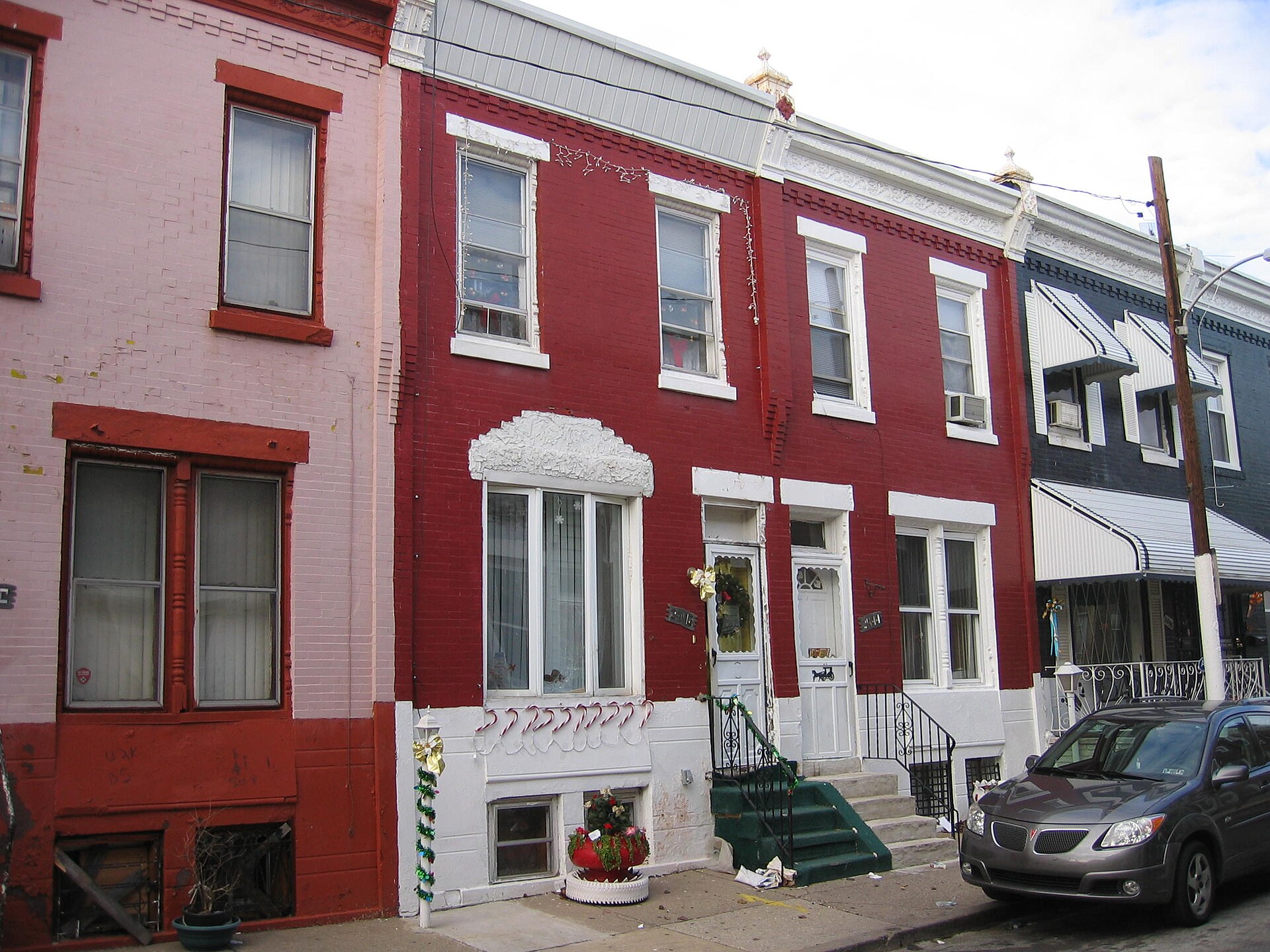
Buying a luxury home is exciting, but the more distinctive and expensive the property, the more there is to evaluate before closing. Historic homes carry the charm of original craftsmanship along with the realities of older systems and materials. New construction has its own set of things to verify. Estate properties add pools, outbuildings, wells, and acreage to the checklist. Thorough due diligence is how sophisticated buyers protect a major investment and negotiate from a position of knowledge. This guide explains how to approach inspections and due diligence on high-end homes in the Philadelphia and South Jersey region.
Why luxury and historic homes need extra scrutiny
A standard home inspection is a valuable baseline, but it is a generalist’s overview. On a large or historic property, a single inspector cannot deeply evaluate every specialized system in a few hours. Older homes in neighborhoods like Society Hill, Chestnut Hill, or Haddonfield may include century-old framing, updated-but-layered mechanical systems, slate or tile roofs, and materials that require expert eyes. Meanwhile, higher purchase prices mean that any deferred maintenance can represent tens of thousands of dollars. The goal of due diligence is to convert unknowns into known, priced facts.
Building the right inspection team
Think of the general home inspection as the starting point that flags where to dig deeper. Based on the property and the general inspector’s findings, luxury buyers often bring in specialists.
- Structural engineer for older homes, additions, or any sign of settlement or movement.
- Roofing specialist for slate, tile, flat, or complex roofs common on historic and large homes.
- HVAC and mechanical contractor to assess the age, condition, and capacity of heating, cooling, and ventilation, especially where multiple systems serve a large house.
- Electrician and plumber where the home is old, has been renovated in phases, or has knob-and-tube or galvanized remnants.
- Environmental testing for radon (common in the region), mold, lead paint in pre-1978 homes, asbestos in older materials, and oil tanks.
- Specialty inspectors for pools, spas, wells, septic systems, chimneys, and outbuildings on estate properties.
Historic-home considerations
Historic homes are a joy to own but come with specific diligence items. Confirm whether the property sits in a historic district or carries a historic designation, because that can affect what changes you are permitted to make to the exterior and, in some cases, the interior. Review any restrictions before you fall in love with a renovation plan. Evaluate original windows, plaster, masonry, and pointing, and get realistic repair or restoration estimates. Older systems should be assessed not just for whether they work today but for their remaining useful life.
New construction and recently renovated homes
Buyers sometimes assume a new or newly renovated luxury home needs no inspection. It does. New builds can have workmanship issues, incomplete punch-list items, grading and drainage problems, or systems that were installed but never fully tested. Verify permits and certificates of occupancy, confirm that work was properly inspected by the municipality, and understand what builder warranty is included. For a renovated historic home, ask which systems were actually replaced versus cosmetically covered.
Beyond the physical inspection
Due diligence is more than the condition of the building. Sophisticated buyers also review:
- Title and survey, to confirm boundaries, easements, and that there are no liens or encroachments.
- Seller’s disclosures, read carefully for prior repairs, water intrusion, and known issues.
- Flood zone status and insurance, particularly for riverside and shore properties, where coverage costs materially affect the budget.
- Zoning, permits, and any unpermitted work, which can become the buyer’s problem after closing.
- Association or condo documents, including financials, reserves, and rules for high-end condos.
Using findings to negotiate
Inspections are not just a pass-fail gate; they are leverage. When a specialist identifies a meaningful issue, buyers generally have options: request repairs, ask for a credit or price reduction, or, in the case of serious problems, exercise a contingency to walk away. The key is to keep inspection contingencies in the contract that give you the right to investigate and respond. In a competitive situation, an experienced agent can help you structure diligence in a way that stays attractive to the seller while still protecting you.
Sequencing and timing your due diligence
Inspection periods in this region are typically measured in days, not weeks, so the work has to be organized in advance. Line up your general inspector before you write an offer, and have the names and availability of likely specialists ready so that a finding on day two does not consume your entire contingency window. Attend the general inspection yourself if you can. Reading a report is useful; standing in the basement while an inspector explains what they are seeing is far more useful.
Budget realistically for the process. On a large or historic property, the combined cost of a general inspection plus several specialists and environmental tests is meaningful, but it is a small fraction of the purchase price and routinely pays for itself in negotiation or in avoided surprises. Think of it as buying information about the largest asset you are likely to own.
Turning findings into a plan
The most useful outcome of diligence is not a list of defects but a prioritized plan. Separate items into three buckets: safety and structural issues that must be addressed, systems nearing the end of their useful life that you should plan and budget for, and cosmetic or preference items that can wait. Get written estimates for anything in the first two buckets before your contingency expires, because a number carries far more weight in negotiation than a description. With that plan in hand, you can decide with clarity whether to proceed, renegotiate, or move on.
Frequently asked questions
Do I still need an inspection on a brand-new luxury home?
Yes. New construction can have workmanship, drainage, and system issues, and an independent inspection plus confirmation of permits, inspections, and warranty coverage protects your investment.
What extra inspections do historic homes need?
Commonly a structural engineer, a roofing specialist for slate or tile, mechanical and electrical evaluations of aging systems, and environmental testing for radon, lead, and asbestos. Also confirm any historic-district restrictions before planning changes.
Can inspection results help me negotiate?
Absolutely. Documented findings support requests for repairs, credits, or price adjustments, and inspection contingencies preserve your right to renegotiate or withdraw if serious problems surface.
Planning a luxury purchase in Philadelphia or South Jersey? James Kennedy helps high-end buyers assemble the right inspection team, interpret findings, and negotiate from a position of knowledge. Call James at 215-267-8479 or email jameskennedy@unlockedteam.com to talk through your search and how to protect your investment.
Leave a Reply