
Two of Philadelphia’s most interesting high-end opportunities sit just north of Fairmount, in neighborhoods that most buyers overlook on a first pass. Brewerytown and Francisville have absorbed more than a decade of sustained new construction, and the product coming out of them — four-story homes with garages, roof decks, and skyline views — competes directly with what buyers are considering in far more established parts of Center City. Understanding what you are actually buying here, block by block, is the difference between a smart purchase and an expensive lesson.
Where these neighborhoods sit
Francisville runs roughly between Fairmount Avenue and Girard Avenue, from Broad Street west toward Ridge Avenue. It is genuinely close in — a short walk to the Broad Street Line, to the restaurants of Fairmount Avenue, and to the northern edge of Center City.
Brewerytown sits farther west and north, generally between Girard Avenue and Cecil B. Moore Avenue, running toward the eastern edge of Fairmount Park along the Schuylkill. Its name comes from the nineteenth-century breweries that once lined the area, and several of those industrial buildings have been converted or redeveloped.
Both neighborhoods border Fairmount, which is the reference point most buyers use. If you like Fairmount but find the pricing per square foot limiting, these are the two places your agent should be showing you.
What high-end buyers are actually getting
The premium inventory in Brewerytown and Francisville tends to look like this:
- New construction townhomes, typically three to four stories, often with a one-car garage, an elevator in the larger builds, a finished basement, and a roof deck with a Center City skyline view.
- Substantially rehabbed rowhomes, where an older shell has been rebuilt with an open first floor, new systems, and a rear addition.
- Boutique condominium buildings, including adaptive reuse of former industrial and institutional structures, which appeal to buyers who want low-maintenance city living with parking.
The dominant value proposition is space and parking. Buyers routinely find meaningfully more square footage, plus a garage, for less than a comparable Rittenhouse or Washington Square West purchase. For families, remote workers who need a real office, and buyers who own cars, that trade is compelling.
The block-by-block reality
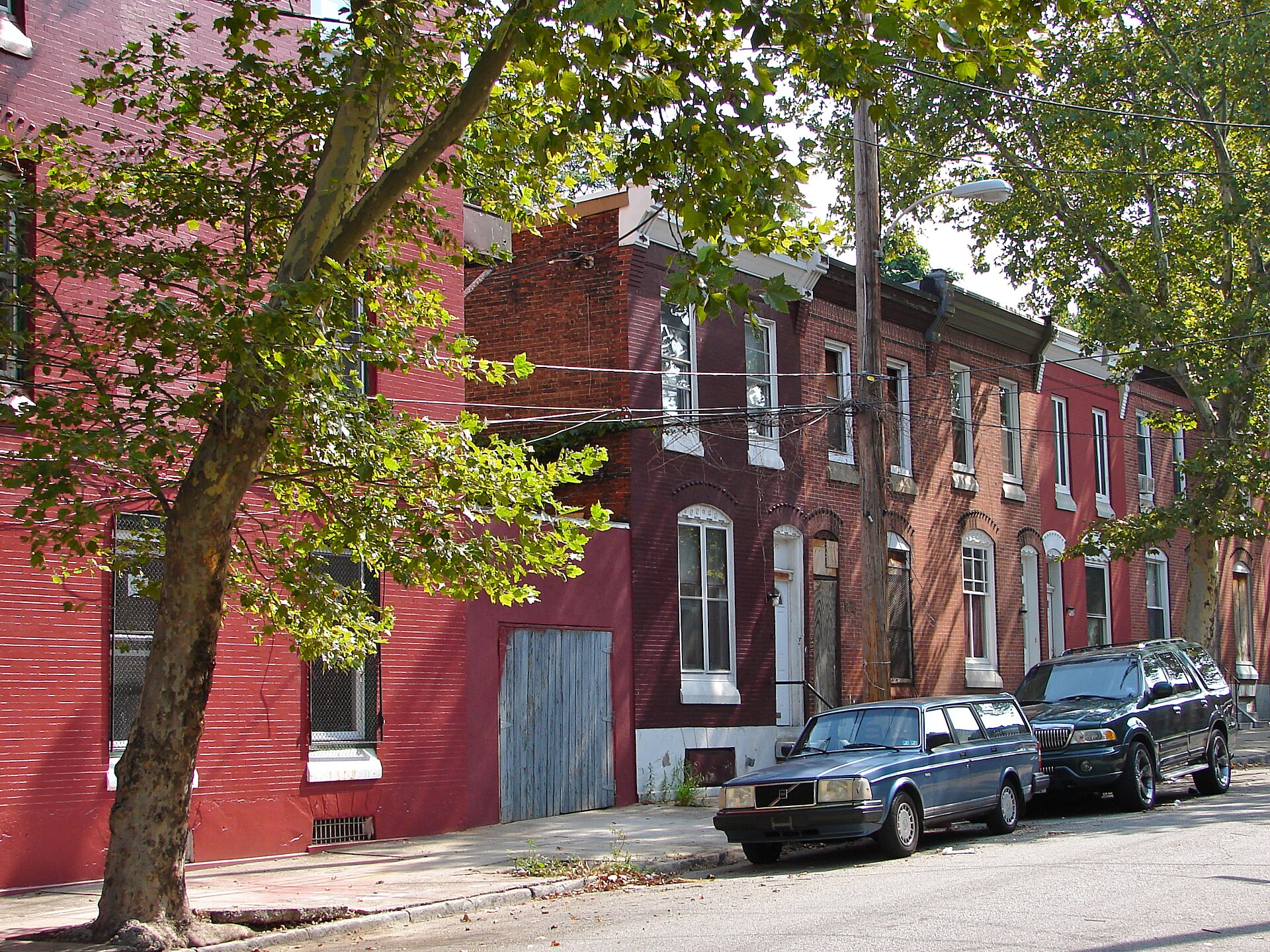
This is the single most important thing to understand about both neighborhoods: they are not uniform. A block with six new builds, mature trees, and full occupancy can sit one street away from a block with vacant lots and deferred maintenance. That variation is not a reason to avoid the area — it is the reason there is opportunity here — but it does mean that comparable sales must be drawn tightly, and that a price that looks like a bargain on paper may reflect a real difference in the immediate surroundings.
Practical advice: walk your prospective block at three different times, including a weekday evening. Look at what is under construction within a two-block radius, since active building generally signals continued investment. And ask your agent to show you what has actually closed on that specific street, not just in the ZIP code.
Lifestyle and access
The Girard Avenue corridor is the spine of the area, carrying the Route 15 trolley east toward Fishtown and west toward the Philadelphia Zoo and Fairmount Park. Brewerytown’s proximity to the park is one of its strongest and most underrated assets — access to Kelly Drive, Boathouse Row, the Schuylkill River Trail, and thousands of acres of parkland is a genuine amenity that most Center City addresses cannot match.
Francisville’s advantage is pure proximity. From much of the neighborhood you can walk to the Art Museum area, to Fairmount Avenue’s restaurants, and to Broad Street transit that puts you in the heart of Center City in minutes.
Both neighborhoods have added coffee shops, breweries, restaurants, and neighborhood retail over the past decade, though the density of amenities remains lower than in Fairmount or Rittenhouse. Buyers should be honest about whether they want a fully built-out retail environment on day one or are comfortable with a neighborhood still adding it.
Tax abatement and new construction considerations
Much of the new construction in these neighborhoods has been built with Philadelphia’s residential tax abatement in mind. If you are buying a newer home, ask specifically: is an abatement in place, how many years remain, and what will the tax bill look like when it expires? That last number should be part of your carrying-cost math from the beginning, not a surprise several years in.
On the construction quality side, new does not automatically mean well built. Have an inspector who knows Philadelphia new construction look hard at the roof deck framing and flashing, stucco and exterior envelope details, window installation, and the HVAC design across multiple floors. Ask for the builder’s warranty terms in writing.
How these neighborhoods resell
Resale in an evolving neighborhood depends heavily on the specific block and on how distinctive the home is. Well-built homes on established, fully occupied blocks with parking and outdoor space have the broadest buyer pool. Homes with unusual layouts, no parking, or a difficult immediate context are more dependent on market conditions. If resale flexibility matters to you, weight parking, natural light, and a genuinely usable outdoor space above finish-level upgrades.
Frequently asked questions
Are Brewerytown and Francisville good places for a luxury buyer?
They can be an excellent value for buyers who want square footage, parking, and outdoor space near Center City and Fairmount Park. They require more careful block-level diligence than an established neighborhood like Rittenhouse or Society Hill, because conditions vary significantly street to street.
How do these neighborhoods compare to Fairmount?
Fairmount is more built out, with a denser retail and restaurant corridor and more established pricing. Brewerytown and Francisville generally offer more space per dollar and newer construction, with less amenity density and more variation between blocks.
What should I check before buying new construction here?
Confirm the tax abatement status and remaining term, get a thorough independent inspection focused on the roof deck, exterior envelope, and mechanical systems, review the builder’s warranty in writing, and review closed sales on the specific block rather than the broader neighborhood.
Considering Brewerytown, Francisville, or another Philadelphia neighborhood in transition? James Kennedy works with luxury buyers and sellers across Philadelphia and South Jersey and can give you an honest, block-level read on value, construction quality, and resale. Call James at 215-267-8479 or email jameskennedy@unlockedteam.com.
Leave a Reply