
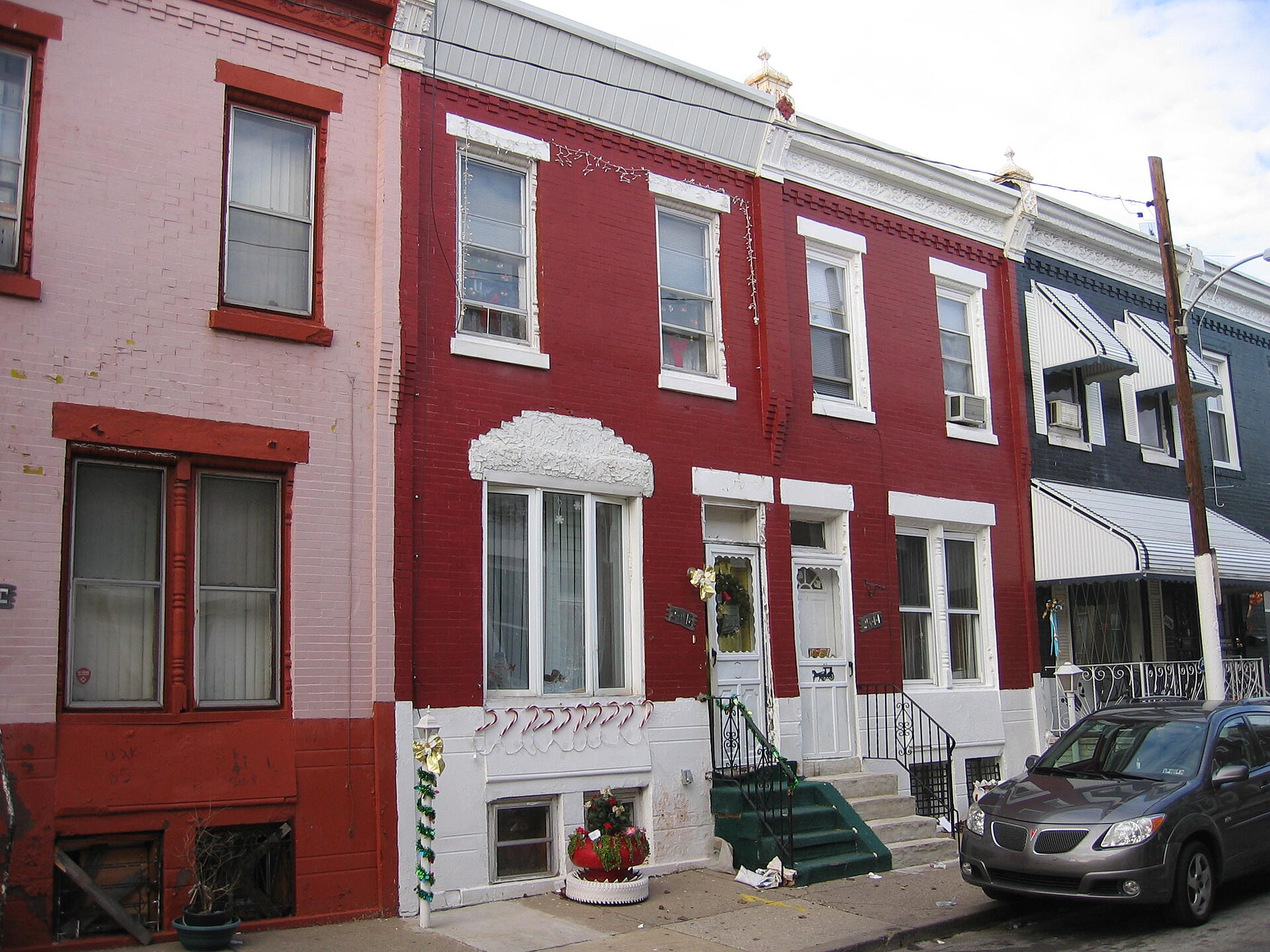
Luxury buyers in the Philadelphia region face a choice that doesn’t come up in every market: whether to buy a historic property with real architectural pedigree, or a newly built home designed around contemporary layouts, systems, and finishes. Both paths can deliver an exceptional home. The right one depends less on budget and more on what you value day to day and how much you want to manage.
What you’re actually buying with a historic home
A historic property in a neighborhood like Society Hill, Rittenhouse, or Chestnut Hill — or an older estate on the Main Line — comes with details that simply aren’t reproduced in new construction: original millwork, plaster ceilings, hand-laid masonry, mature landscaping, and a floor plan shaped by decades or centuries of use rather than a builder’s template. For many buyers, that character is the entire point of buying in the region rather than in a newer market.
The trade-off is maintenance and predictability. Mechanical systems in older homes have often been updated in phases, which means a buyer may inherit a patchwork of different-aged components rather than a single unified system. Layouts can be narrower or more compartmentalized than modern open-concept plans. And any future renovation, particularly on a home with historic designation, may involve additional review and specialized contractors.
What you’re actually buying with new construction
New construction offers predictability: current code compliance, warrantied systems, energy efficiency that older homes typically can’t match without significant retrofitting, and floor plans built around how people live today — larger kitchens, primary suites, and garages sized for modern vehicles. For buyers who want to move in and not think about the roof, the boiler, or the electrical panel for a decade, this is a meaningful advantage.
The trade-off is usually location and character. Much of the region’s newer luxury construction sits in the suburbs or in a smaller number of infill lots in the city, rather than in the historic cores that define neighborhoods like Old City or Fitler Square. Buyers also give up the architectural detail and mature setting that come with an established block, and premium new construction can carry a real price premium per square foot compared to an older home in similar condition.
Questions to ask yourself before you choose
Start with how much hands-on maintenance you actually want to take on. If the idea of managing a restoration or coordinating specialized contractors sounds interesting rather than stressful, an older home may suit you well. If you’d rather your time go elsewhere, new construction removes much of that uncertainty.
Next, consider location. If a specific historic neighborhood is non-negotiable for you, that narrows your options toward existing housing stock, since very little true new construction exists inside neighborhoods like Society Hill or Chestnut Hill. If your priority is space, systems, and efficiency rather than a specific historic address, new construction in the suburbs or on an infill city lot opens up more possibilities.
A middle path: substantially renovated homes
Many buyers land between the two extremes by purchasing an older home that has already been substantially renovated — original architectural bones with modern systems, kitchens, and baths already in place. This can offer much of the character of a historic home with fewer of the near-term maintenance surprises, though it’s still worth having a qualified inspector confirm the quality of past renovation work rather than assuming a recent update means everything was done correctly.
How this plays out differently in the city versus the suburbs
The new-construction-versus-historic decision looks different depending on where in the region you’re shopping. Inside Philadelphia’s most established neighborhoods, true new construction is often limited to a smaller number of infill lots or larger multi-unit conversions, so buyers who want a historic block usually have to accept an older structure. In the suburbs and in South Jersey, by contrast, there’s typically a wider range of genuinely new, architect-designed luxury homes alongside older estate properties, giving buyers more room to choose based on preference rather than availability. Knowing which situation applies to the specific area you’re targeting will save time early in a search.
Resale considerations
Both historic and new-construction luxury homes can perform well at resale, but the pool of likely buyers can differ. A historic home with strong architectural character in an established neighborhood often appeals to a buyer specifically seeking that character, which can mean a smaller but more motivated pool. A well-built new home tends to appeal to a broader range of buyers who prioritize move-in readiness and modern systems over architectural pedigree. Neither is inherently a stronger resale position — it depends on the strength of the specific location and how well the home was built or maintained, which is where working with an agent who tracks both segments of the market closely becomes valuable.
Frequently asked questions
Is new construction generally a safer investment than a historic home?
Not inherently — both can hold value well when they’re in strong locations. New construction offers more predictable near-term costs, while historic homes in established neighborhoods have often demonstrated long-term value through multiple market cycles. Location and condition matter more than age alone.
How do financing and insurance differ between the two?
Insurance carriers may ask more detailed questions about system age and prior renovations on older homes, and appraisals on unique historic properties can require appraisers with specific local experience. It’s worth discussing both early with your lender and insurance agent rather than waiting until under contract.
Can I get new-construction-level systems in a historic home?
Yes, through a full mechanical and structural renovation, though this is a significant undertaking in both cost and time. Buyers considering this route should get contractor input on scope before making an offer, so the true all-in cost is part of the decision.
Whichever direction fits your lifestyle better, James Kennedy can help you evaluate specific properties in both categories across Philadelphia and South Jersey. Reach James at 215-267-8479 or jameskennedy@unlockedteam.com.
Leave a Reply