
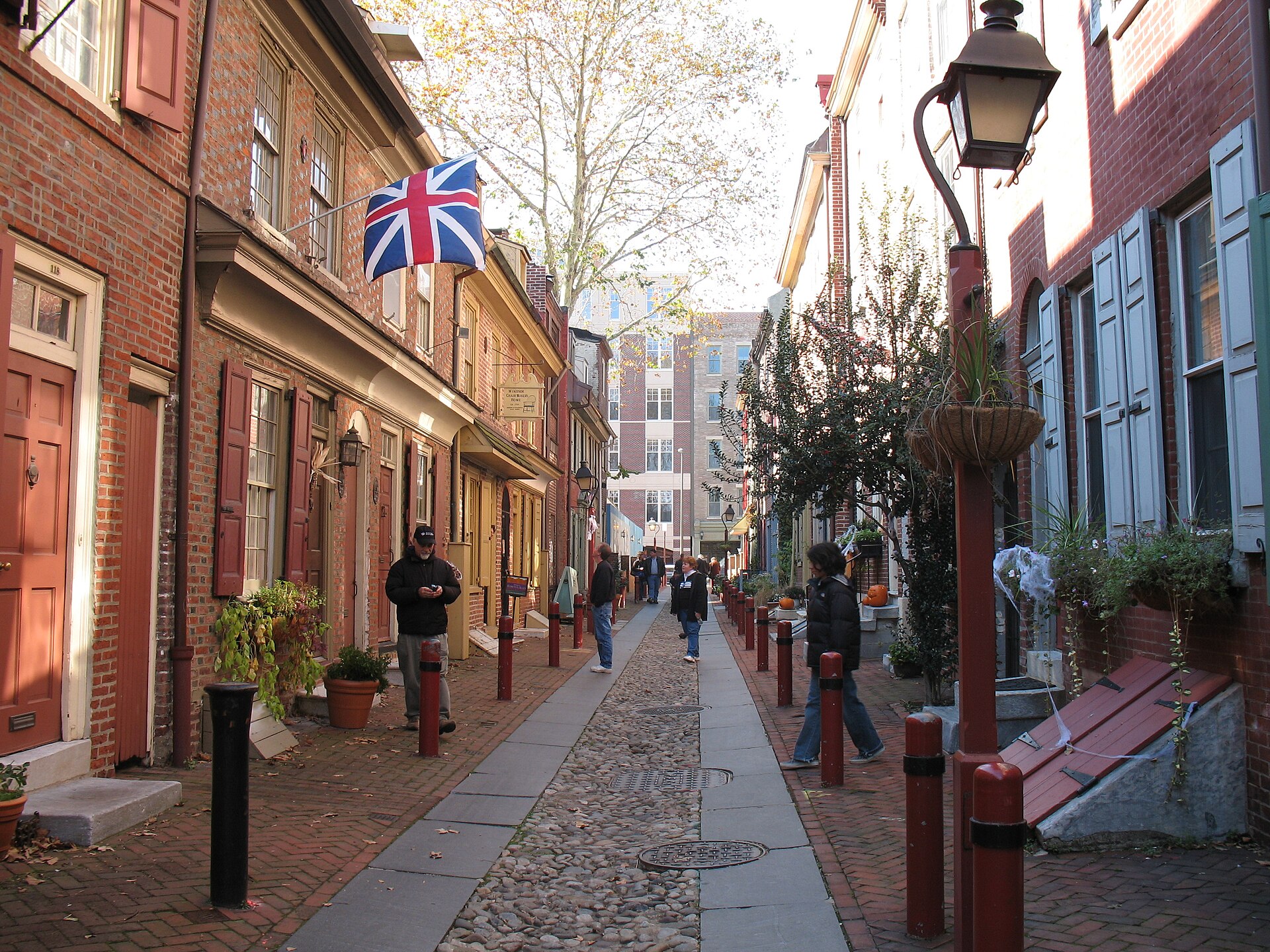
Philadelphia has one of the deepest inventories of historic housing in America — Georgian and Federal townhouses in Society Hill and Old City, Victorian brownstones near Rittenhouse Square, Wissahickon schist twins in Chestnut Hill and Mount Airy. For luxury buyers, these homes offer something new construction cannot: provenance, craftsmanship, and streetscapes that took centuries to make. But buying a historic home with renovation plans is a different undertaking than buying a turnkey property, and the buyers who end up happiest are the ones who understood the rules and the costs before they signed.
First, know whether the property is regulated
Not every old home in Philadelphia is legally “historic.” The distinction matters enormously for what you can and cannot do.
The Philadelphia Register of Historic Places
Properties individually listed on the local register, or located within a locally designated historic district, fall under the jurisdiction of the Philadelphia Historical Commission. Exterior alterations visible from a public right of way — windows, doors, facades, rooflines, and in some cases materials — generally require Commission review and approval before the city will issue permits. Interior work is typically not regulated unless interior features were specifically designated, which is rare.
National Register listing is different
Many buyers are surprised to learn that National Register listing, by itself, imposes almost no restrictions on a private owner using private funds. It is primarily an honorific and a gateway to certain incentives. The binding rules come from the local register. Before you buy, have your agent confirm exactly which designations apply to the specific property — the answer changes both your obligations and your opportunities.
What historic oversight means for your renovation
Working within Historical Commission jurisdiction is manageable — thousands of Philadelphia owners do it — but it changes the process:
- Timelines lengthen. Exterior approvals add review cycles before permits. Complex proposals may go before committee and full Commission meetings. Build this into your project schedule and your financing plan.
- Materials matter. Replacing original wood windows with vinyl, or repointing eighteenth-century brick with the wrong mortar, will generally not be approved — and the wrong mortar can physically damage historic masonry. Expect in-kind or historically appropriate materials on regulated facades.
- Design review shapes additions. Rooftop additions, rear extensions, and garage alterations can often be approved, but visibility from the street is the recurring test. Good preservation architects know how to design additions that pass review.
- Approved work protects value. There is a real upside: regulated districts protect the streetscape that made you want the neighborhood in the first place. Your neighbor cannot replace their facade with something that degrades the block.
Budgeting: where historic renovations differ
Renovating a fine old house costs more than renovating a comparable newer one, and the difference is concentrated in a few areas. Specialized trades — restoration carpenters, lime-mortar masons, plaster artisans, slate and copper roofers — command a premium and book out further in advance. Systems work is more invasive because mechanicals must be threaded through structures that were never designed for them. And discovery risk is higher: behind old walls you may find knob-and-tube wiring, buried structural repairs, or moisture issues that only reveal themselves mid-project. Experienced renovators carry a meaningful contingency — a healthy cushion above the contracted scope — and treat it as likely to be spent, not as padding.
Pre-purchase due diligence is your best defense. On a significant historic property, consider engaging a structural engineer and a preservation-literate inspector, not just a general home inspector, and get contractor eyes on your intended scope before your inspection contingency expires.
Incentives worth investigating
Depending on the property and how it is used, historic status can unlock financial benefits. Income-producing certified historic properties may qualify for federal rehabilitation tax credits, and Philadelphia has offered abatement programs that interact with renovation work in ways that change year to year. These programs have specific eligibility rules and application timing — investigate them with your accountant and agent early, before you finalize a renovation plan, because sequencing can determine eligibility.
Frequently asked questions
Can I modernize the interior of a designated historic home?
In almost all cases, yes. Philadelphia’s local designation generally regulates exteriors visible from the public right of way. Kitchens, baths, systems, and layouts can typically be renovated freely with standard permits — which is why so many Society Hill and Rittenhouse-area homes pair eighteenth- or nineteenth-century facades with fully contemporary interiors.
How do I find out if a home is locally designated before I offer?
Your agent can verify the property’s status on the Philadelphia Register and whether it sits in a local historic district as part of pre-offer due diligence. Do not rely on listing descriptions or assume based on the age of the house — regulation follows designation, not age.
Do historic restrictions hurt resale value?
The evidence generally points the other way at the luxury level: protected districts preserve the character and streetscape that draw high-end buyers, and well-executed, approved renovations tend to be rewarded at resale. What hurts value is unapproved work, which can create legal and permitting problems that surface during a future sale.
If you are considering a historic home in Society Hill, Old City, Rittenhouse Square, Chestnut Hill, or anywhere in the region, James Kennedy can help you evaluate the property, the designation status, and the renovation path before you commit. Call 215-267-8479 or email jameskennedy@unlockedteam.com.
Leave a Reply