Category: Luxury Homes

  • How Appraisals Work for Luxury Homes: A Guide for Philadelphia & South Jersey Buyers and Sellers

    How Appraisals Work for Luxury Homes: A Guide for Philadelphia & South Jersey Buyers and Sellers

    At most price points, a home appraisal is a formality: the appraiser finds three similar recent sales nearby, makes a few adjustments, and lands close to the contract price. Above roughly a million dollars — and especially for custom, historic, or architecturally unusual homes in Philadelphia and South Jersey — the process gets harder and the stakes get higher. Understanding how luxury appraisals work helps both buyers and sellers avoid surprises at the closing table.

    Why luxury appraisals are genuinely harder

    An appraisal is fundamentally an exercise in comparison, and luxury homes resist comparison in three ways.

    Scarce comparable sales

    In a neighborhood of similar rowhomes or colonials, dozens of relevant sales may close each year. At the high end — a Gladwyne estate, a full-floor Rittenhouse condo, a restored Society Hill townhouse — there may be only a handful of truly comparable sales in the past year, and the appraiser may need to widen the search area or the time window, both of which introduce judgment calls.

    Custom features without market consensus

    Wine cellars, elevators, carriage houses, museum-quality restorations, smart-home systems — luxury homes are full of features whose contribution to value is real but hard to prove with data. Two qualified appraisers can reasonably disagree about what a given feature adds.

    Thin, negotiated markets

    High-end sales are more often shaped by negotiation, off-market activity, and unique buyer circumstances than mid-market sales. A single unusual transaction — an estate sale, a relocation deadline — can distort the comparable set.

    When appraisals matter most

    Appraisals enter a luxury transaction in several ways. If the buyer is financing with a jumbo loan, the lender will require an appraisal — and some jumbo lenders require two for larger loan amounts. Cash buyers can waive appraisal entirely, which is one reason cash offers carry weight at the high end. Appraisals also arise in estate settlement, divorce, property tax appeals, and pre-listing pricing decisions.

    What sellers can do to support the appraisal

    • Document improvements. Keep records of renovations, additions, and major systems work — scope, contractor, and approximate cost. Undocumented improvements are easy for an appraiser to under-credit.
    • Provide a comparables package. Your agent can prepare a summary of the most relevant recent sales, including off-market or quiet sales the appraiser might miss, and meet the appraiser at the property to walk through it.
    • Highlight what is not visible. Geothermal systems, new roofs, historic tax abatements, deeded parking, and land value all deserve explicit mention.
    • Prepare the home. Appraisers are trained to be objective, but condition and presentation still shape the report. Treat the appraisal visit like a showing.

    What buyers should know

    If you are financing, understand your appraisal contingency before you sign. In a competitive situation, buyers sometimes strengthen an offer with an appraisal gap provision — agreeing to cover some or all of a shortfall between the appraised value and the contract price. This can be a smart tool at the high end, where appraisal variance is common, but it should be sized deliberately against your cash position, not offered reflexively.

    If an appraisal does come in below the contract price, the deal is not dead. Options include a reconsideration of value with additional comparables, a renegotiated price, a larger down payment to keep the loan within lender limits, or a second appraisal where the loan program allows it. An experienced agent will have managed all of these paths before.

    Regional wrinkles worth knowing

    In Philadelphia, historic certification, tax abatements, and condominium structures each add layers to valuation, and appraisers unfamiliar with a specific submarket — Society Hill versus Fitler Square, for example — can miss meaningful distinctions between blocks. In South Jersey towns like Haddonfield and Moorestown, large custom homes may have few in-town comparables, pushing appraisers toward neighboring towns with different school districts and tax profiles, which requires careful adjustment. In both states, working with lenders and appraisers who know the local luxury market materially reduces surprise.

    Frequently asked questions

    Do cash buyers need an appraisal?

    No — an appraisal is a lender requirement, so a cash purchase can proceed without one. Many cash buyers still commission one for their own peace of mind, especially on unique properties, but it is optional and does not have to be a contingency of the offer.

    What happens if the appraisal comes in low?

    The buyer and seller typically negotiate: the price comes down, the buyer covers the gap with additional cash, or some combination. The buyer’s agent can also request a reconsideration of value with better comparables. A low appraisal is a negotiation event, not an automatic termination.

    How is an appraisal different from a comparative market analysis?

    An appraisal is a formal opinion of value from a licensed appraiser, usually ordered by a lender. A comparative market analysis is prepared by a real estate agent to guide pricing strategy. They use similar logic, but the CMA can incorporate forward-looking market judgment while the appraisal must be anchored to closed sales.

    Whether you are pricing a distinctive home for sale or structuring a competitive offer, appraisal strategy matters at the high end. James Kennedy helps luxury buyers and sellers across Philadelphia and South Jersey navigate valuation with current data. Call 215-267-8479 or email jameskennedy@unlockedteam.com.

  • Narberth, Pennsylvania: A Main Line Town Guide for Luxury Home Buyers

    Narberth, Pennsylvania: A Main Line Town Guide for Luxury Home Buyers

    Most Main Line towns trade on privacy, acreage, and quiet cul-de-sacs. Narberth trades on something rarer: a real downtown. This independent borough — less than one square mile, completely surrounded by Lower Merion Township — offers luxury buyers a walk-to-everything lifestyle that is genuinely hard to find in the Philadelphia suburbs. If you want a high-end home where you can stroll to dinner, the train, the library, and a farmers market without touching your car keys, Narberth deserves a close look.

    What makes Narberth different from the rest of the Main Line

    Narberth is a borough, not a township, and that distinction shapes daily life. It has its own government, its own parks, its own business district, and a civic identity that residents guard proudly. While neighboring Lower Merion communities like Wynnewood and Merion Station are largely residential with scattered commercial pockets, Narberth is organized around a compact, walkable core along Haverford Avenue and Narberth Avenue — restaurants, coffee shops, a movie theater, boutiques, and everyday services all within a few blocks of most homes in town.

    The result is a lifestyle closer to Chestnut Hill or Collingswood than to the estate sections of Gladwyne or Villanova. Buyers who love the Main Line’s schools and rail access but find its car-dependence limiting often land in Narberth for exactly this reason.

    The housing stock: character over sprawl

    Because the borough is small and was largely built out by the mid-twentieth century, Narberth’s housing stock skews historic and architecturally varied. Expect to find:

    • Late Victorian and Queen Anne homes with wraparound porches on tree-lined blocks
    • Foursquares and center-hall Colonials from the early 1900s, many thoughtfully expanded
    • Tudor Revival and stone cottage-style homes typical of the Main Line’s interwar years
    • Twins and townhomes near the commercial core that offer walkability at a lower price of entry
    • A limited but growing number of high-end renovations and infill new construction, which command a premium because buildable land is so scarce

    At the luxury end of the market, the most sought-after properties combine period character — original millwork, stone exteriors, deep porches — with modern kitchens, primary suites, and finished lower levels. Because inventory is structurally limited, well-renovated homes on desirable blocks tend to move quickly and attract multiple interested buyers regardless of the broader market cycle.

    Commute and connectivity

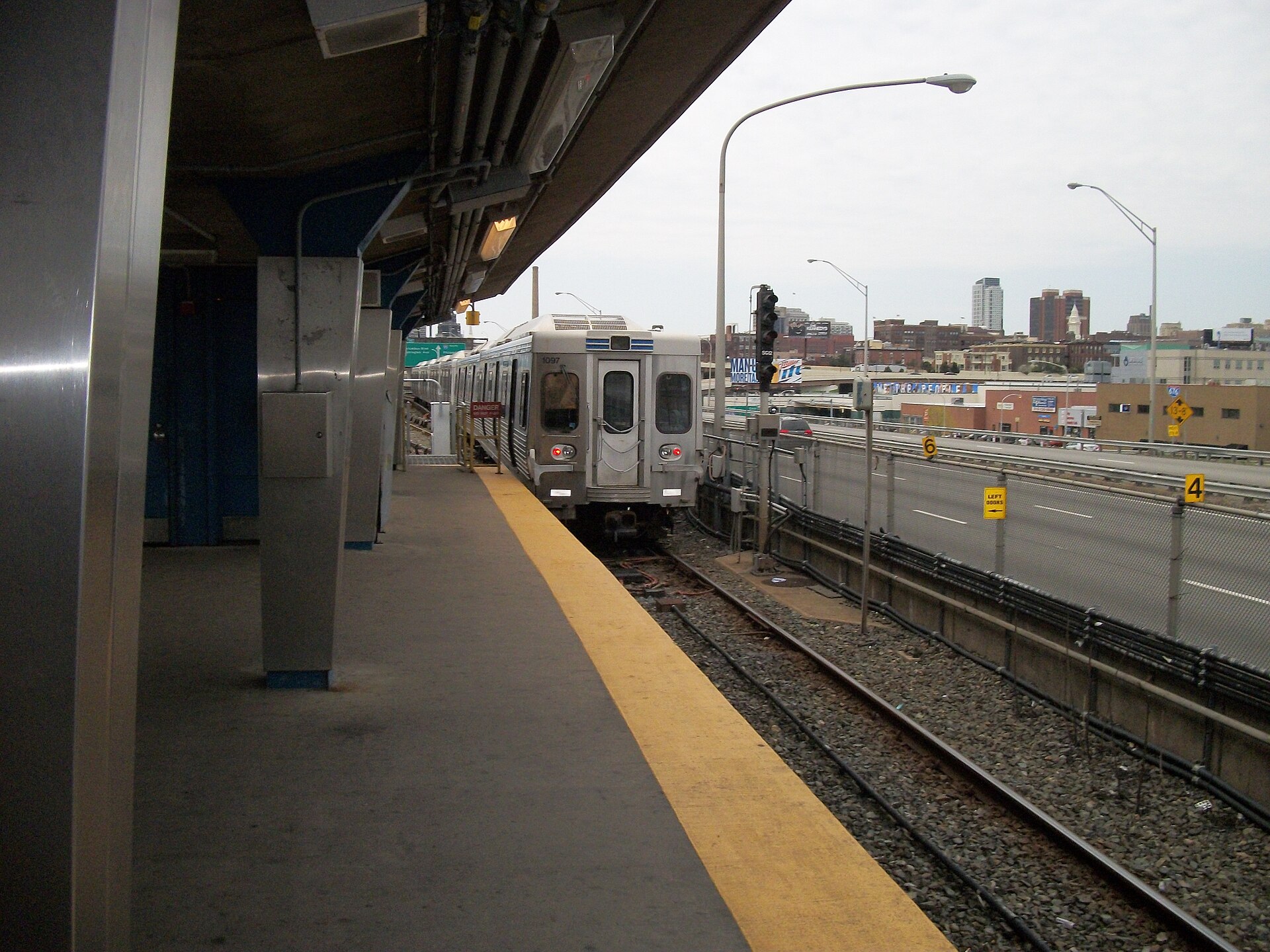
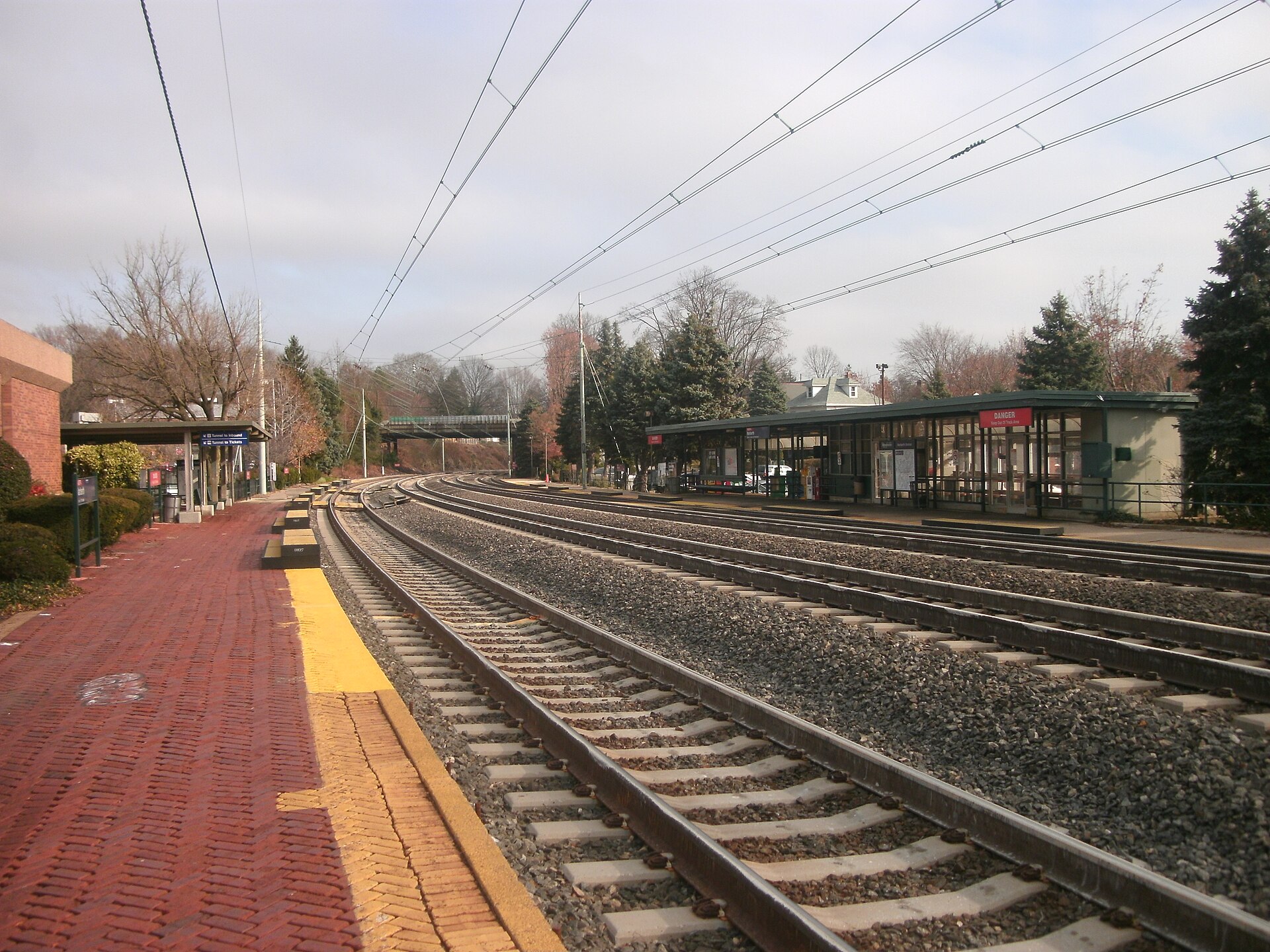
    Narberth station sits on SEPTA’s Paoli/Thorndale Regional Rail line, with a ride to Center City that is among the shortest on the Main Line. Many residents walk to the station — a meaningful quality-of-life difference from towns where the train requires a drive and a parking permit. Drivers reach Center City via City Avenue and the Schuylkill Expressway, and the Amtrak hub at 30th Street Station is a short train or car ride away for New York-bound travelers.

    Schools and community life

    Narberth is served by the Lower Merion School District, one of the most highly regarded public school systems in Pennsylvania and a durable driver of property values throughout the township and borough. Private and parochial options across the Main Line — including several of the region’s most respected independent schools — are a short drive away.

    Community life is unusually strong for a town this size. The borough’s parks host summer concerts and youth sports, the annual community events calendar is full, and the walkable core means neighbors actually run into each other. For buyers relocating from city neighborhoods like Fitler Square or Queen Village, Narberth often feels like the most natural suburban landing spot.

    What luxury buyers should weigh

    Scarcity cuts both ways

    Narberth’s tiny footprint means low inventory. Buyers with specific requirements — large lots, garages, main-floor primary suites — may wait longer for the right home here than in larger neighboring communities, and should be prepared to act decisively when it appears.

    Lot sizes are modest

    If your vision of luxury includes an acre of lawn, a pool, and long private driveways, the estate sections of Gladwyne, Villanova, or Haverford will fit better. Narberth’s premium is walkability and character, not acreage.

    Taxes and value

    As with the rest of the Main Line, property taxes reflect the quality of the school district and services. Buyers comparing Narberth against South Jersey towns like Haddonfield or Moorestown should look at the total cost picture — taxes, commute, and lifestyle — rather than price alone. James can walk you through a current, side-by-side comparison.

    Frequently asked questions

    Is Narberth considered part of the Main Line?

    Yes. Narberth sits on the historic Pennsylvania Railroad Main Line corridor between Merion and Wynnewood and is served by the Paoli/Thorndale line. It is an independent borough surrounded by Lower Merion Township, and it shares the Main Line’s schools, rail access, and housing character.

    What kind of buyer is Narberth best suited for?

    Buyers who prioritize walkability, community, and architectural character over lot size. It is especially popular with families moving from Center City who want top-tier schools without giving up a walk-to-dinner lifestyle, and with downsizers who want to stay engaged in a true town center.

    How competitive is the luxury market in Narberth?

    Structurally competitive, because the borough is small and rarely has more than a handful of high-end homes available at once. Well-renovated homes on walkable blocks tend to draw strong interest quickly. Market conditions change, so contact James for a current read on inventory and pricing.

    Thinking about a move to Narberth or anywhere on the Main Line? James Kennedy specializes in luxury real estate across Philadelphia and its suburbs and can give you a current, honest read on the market. Call 215-267-8479 or email jameskennedy@unlockedteam.com to start the conversation.

  • Understanding Condo Fees and HOAs at the High End: A Guide for Philadelphia & South Jersey Luxury Buyers

    Understanding Condo Fees and HOAs at the High End: A Guide for Philadelphia & South Jersey Luxury Buyers

    At the high end of the market, monthly carrying costs go well beyond the mortgage and property taxes. Condominium and homeowner association fees can add hundreds or even thousands of dollars a month — and they vary enormously from building to building. For luxury buyers in Philadelphia and South Jersey, understanding what these fees cover, how they are set, and what to investigate before buying is essential to making a sound decision. This guide breaks it down.

    What Condo and HOA Fees Actually Cover

    An association fee pools money from all owners to maintain shared elements and, in many buildings, to provide services. Depending on the property, your fee may cover:

    • Building maintenance and reserves — roof, elevators, facade, lobby, hallways, and long-term capital repairs.
    • Staffing and services — a doorman, concierge, on-site management, security, or valet in full-service luxury buildings.
    • Amenities — fitness centers, pools, roof decks, club rooms, and sometimes guest suites.
    • Utilities — in some buildings water, sewer, trash, and even heat or cooling are bundled in.
    • Insurance — the association’s master policy on the building’s common structure.

    In a full-service Center City high-rise, the fee funds a level of service and amenity that a single-family homeowner would otherwise have to arrange and pay for separately. In a smaller boutique condo or a suburban townhome community, the fee is typically lower and covers less.

    Why Fees Vary So Widely

    Two homes at the same price can have dramatically different monthly fees. The main drivers are:

    • Level of service. A 24-hour doorman and concierge cost money; a self-managed building with no staff costs far less.
    • Amenities. Pools, gyms, and shared roof decks are wonderful but expensive to maintain.
    • Building age and construction. Older buildings and those with complex systems often require more upkeep.
    • Number of units. Fixed costs spread across fewer owners mean higher per-unit fees, which is common in small luxury buildings.
    • Reserve funding philosophy. Well-run associations collect enough to fund future repairs; underfunded ones keep fees artificially low and rely on special assessments later.

    Special Assessments: The Cost Beyond the Monthly Fee

    When a major repair exceeds the reserve fund — a new roof, elevator modernization, or facade work — the association may levy a special assessment, a one-time charge to owners. These can be significant. A building with low monthly fees but thin reserves may be more expensive over time than one with higher fees and a healthy reserve. This is why reviewing the association’s finances matters as much as the fee itself.

    What to Investigate Before You Buy

    Before committing to a condo or HOA property at the luxury level, review:

    • The reserve study and balance. Is the association funding future capital needs, or deferring them?
    • The budget and recent fee history. Have fees risen steadily, and why?
    • Meeting minutes. These often reveal upcoming projects, disputes, or looming assessments.
    • The master insurance policy. Confirm what it covers and what you need to insure yourself.
    • Rules and restrictions. Rental caps, pet policies, and renovation rules can affect your plans and resale.
    • Litigation. Active lawsuits involving the association can affect financing and value.

    A good buyer’s agent and attorney will help you obtain and interpret these documents during your due diligence period.

    How Fees Affect Value and Financing

    High monthly fees are not automatically a negative — in a full-service building, they buy real value. But lenders factor association fees into your qualifying ratios, so a high fee can affect how much you can borrow. Fees also influence resale: unusually high or fast-rising fees can narrow the buyer pool, while a well-managed, appropriately funded association is a selling point. The goal is not the lowest fee, but a fee that reflects a well-run building funding itself responsibly.

    Condos vs. Townhome and Suburban HOAs

    Not all association fees serve the same purpose. In a Center City condominium, the fee typically funds a full building and its services. In a suburban South Jersey townhome or gated community, the HOA more often covers landscaping, common-area upkeep, private roads, and shared amenities, while you remain responsible for more of your own home’s exterior. Detached homes in an HOA usually carry lower fees than full-service condos but still come with rules worth reading closely. Matching the fee structure to how you actually want to live — hands-off and full-service, or more independent with lower carrying costs — is as important as the dollar amount itself.

    Frequently asked questions

    Are high condo fees a red flag?

    Not necessarily. In a full-service luxury building, a high fee often reflects staffing, amenities, and bundled utilities that deliver genuine value. The bigger concern is a fee that is artificially low relative to the building’s needs, which can signal underfunded reserves and future special assessments. What matters is whether the fee reflects a responsibly run association.

    What is a special assessment?

    A special assessment is a one-time charge levied on owners when a major expense exceeds the association’s reserve fund — for example, a new roof or elevator replacement. Reviewing the reserve balance and meeting minutes before buying helps you gauge the likelihood of one.

    Do HOA and condo fees affect my mortgage?

    Yes. Lenders include association fees in your debt-to-income calculations, so a higher fee can reduce the loan amount you qualify for. Some lenders also review the association’s financial health before approving a loan on a condo, which is another reason to examine the association’s finances early.

    Weighing a luxury condo or HOA community in Philadelphia or South Jersey? James Kennedy can help you evaluate a building’s fees, finances, and long-term value so you buy with confidence. Call James at 215-267-8479 or email jameskennedy@unlockedteam.com for guidance tailored to your search.

  • Chestnut Hill vs. Mount Airy: Comparing Northwest Philadelphia’s Luxury Neighborhoods

    Chestnut Hill vs. Mount Airy: Comparing Northwest Philadelphia’s Luxury Neighborhoods

    Northwest Philadelphia holds two of the city’s most beloved residential neighborhoods: Chestnut Hill and Mount Airy. Both offer stone houses, mature trees, strong community identity, and a village feel that is rare inside a major city. For luxury buyers weighing one against the other, the differences are real and worth understanding. This guide compares the two on the factors that matter most.

    The Quick Version

    Chestnut Hill is the more polished, historically affluent of the two, with a walkable commercial spine along Germantown Avenue, larger estate properties, and a distinctly refined character. Mount Airy sits just to the south, offers many of the same architectural pleasures at a broader range of price points, and is known for its diversity and community spirit. Buyers who want top-tier prestige and estate homes often gravitate to Chestnut Hill; buyers who want character and value with a strong neighborhood identity often love Mount Airy.

    Architecture and Housing Stock

    Both neighborhoods are famous for Wissahickon schist — the local silver-gray stone that gives their houses such a distinctive look.

    Chestnut Hill

    • Grand stone colonials, Tudors, and Victorians, some on estate-sized lots.
    • Homes designed by notable architects, including examples of significant historic and mid-century modern work.
    • A concentration of larger, high-end properties with mature landscaping and carriage houses.

    Mount Airy

    • A wide mix of stone twins, detached Victorians, and substantial single-family homes.
    • Strong architectural variety, from stately West Mount Airy houses to more modest blocks.
    • Generally more entry points into the market, with luxury concentrated in West Mount Airy near the park.

    Lifestyle and Walkability

    Chestnut Hill’s Germantown Avenue is one of the region’s best shopping and dining streets, with boutiques, restaurants, and a weekly farmers presence that gives the neighborhood a true town center. It feels curated and cohesive. Mount Airy has its own commercial nodes — most notably along Germantown Avenue near the Sedgwick and around Carpenter Lane in West Mount Airy — with independent shops, cafes, and a co-op grocery that anchor daily life. Both share proximity to the Wissahickon Valley, one of the finest urban parks in the country, with miles of trails minutes from home.

    Community Character

    Mount Airy is nationally known for its long history as an intentionally integrated, community-minded neighborhood, and that spirit still defines it. Residents tend to value that identity highly. Chestnut Hill, while also community-oriented, reads as more traditionally affluent and has a more uniformly upscale commercial and residential fabric. Neither is better — they simply attract slightly different buyers.

    Commuting and Access

    Both neighborhoods are served by SEPTA Regional Rail, which makes the trip to Center City straightforward without a car. Chestnut Hill has two lines terminating in the neighborhood; Mount Airy sits along the line as well, with several convenient stations. For drivers, both offer reasonable access to Center City and the suburbs, though rush-hour traffic on the main arteries should be factored in.

    Which One Is Right for You?

    • Choose Chestnut Hill if you want estate-scale homes, a polished village center, and the prestige of one of Philadelphia’s most established luxury enclaves.
    • Choose Mount Airy if you want stone-house character and park access with a broader price range and a famously welcoming, diverse community.

    Because both neighborhoods span a wide range of home sizes and conditions, the right choice often comes down to the specific block and property. A local comparison of recent sales in each will sharpen the picture considerably.

    Schools, Parks, and Family Life

    Both neighborhoods draw families for reasons that go beyond architecture. Chestnut Hill and Mount Airy are known for a mix of well-regarded independent and private schools in the surrounding Northwest corridor, and both prize their green space: the Wissahickon Valley’s trails, creeks, and historic covered bridge are a defining feature of life in each. Weekend routines here often revolve around the park, the local commercial streets, and community events rather than a car trip elsewhere. Buyers with children should research specific school options carefully, as attendance areas and private-school considerations vary, but the broader lifestyle in both neighborhoods is unusually family-friendly for a big city. Many residents also point to the strong sense of stewardship in both neighborhoods, where longtime homeowners and active civic associations work to preserve the historic character, tree canopy, and walkable commercial streets that make Northwest Philadelphia distinctive.

    Frequently asked questions

    Is Chestnut Hill or Mount Airy more expensive?

    Chestnut Hill generally commands higher prices, particularly for its estate-sized properties and homes near Germantown Avenue’s town center. Mount Airy offers a broader range of price points, with its most expensive homes concentrated in West Mount Airy near the Wissahickon. For current figures on a specific home, a tailored market analysis is the most reliable guide.

    Are both neighborhoods good for commuting to Center City?

    Yes. Both are served by SEPTA Regional Rail with convenient stations, making a car-free commute to Center City practical. Chestnut Hill has lines terminating in the neighborhood, and Mount Airy sits along the same corridor with several stops.

    What kind of buyer does each neighborhood attract?

    Chestnut Hill tends to draw buyers seeking estate homes and a refined, established village atmosphere. Mount Airy attracts buyers who value architectural character, park proximity, and a strongly community-minded, diverse neighborhood identity, often at a wider range of price points.

    Deciding between Chestnut Hill and Mount Airy — or exploring luxury homes anywhere in Northwest Philadelphia? James Kennedy knows these neighborhoods well and can help you compare specific properties, understand current values, and craft a winning strategy. Call James at 215-267-8479 or email jameskennedy@unlockedteam.com.

  • Living in Spring Garden: A Luxury Buyer’s Guide to Philadelphia’s Tree-Lined Historic Enclave

    Living in Spring Garden: A Luxury Buyer’s Guide to Philadelphia’s Tree-Lined Historic Enclave

    Tucked between Fairmount, the Art Museum area, and Center City, Spring Garden is one of Philadelphia’s most understated luxury neighborhoods. Wide, tree-lined streets, grand 19th-century brownstones, and a genuinely walkable pace make it a favorite for buyers who want space and architectural character without leaving the heart of the city. If you are considering a high-end home here, this guide covers what makes the neighborhood distinctive and what to weigh before you buy.

    Where Spring Garden Sits

    Spring Garden runs roughly north of Callowhill and south of Fairmount Avenue, bounded by the Schuylkill River on the west and the Northern Liberties edge to the east. That location puts residents within walking distance of the Philadelphia Museum of Art, the Barnes Foundation, the Fairmount Park trails, and the restaurants of Fairmount Avenue, while Center City’s business district is a short drive or bike ride away. The neighborhood feels residential and quiet, yet almost everything is close.

    The Housing Stock

    Spring Garden is known for some of the largest and most ornate rowhomes in the city. Buyers will find:

    • Grand brownstones and Italianate townhomes — many built in the mid-to-late 1800s for prosperous merchants, with high ceilings, elaborate moldings, marble mantels, and deep floor plans.
    • Restored single-family mansions — some of the widest residential lots in Center City sit here, occasionally 25 feet or more across.
    • Converted and boutique condominiums — former industrial and institutional buildings near Callowhill have been reimagined as loft-style residences.
    • New and gut-renovated construction — infill projects that pair modern systems with the neighborhood’s historic scale.

    Because so many homes are historic, condition and prior renovation quality vary widely. A beautifully restored brownstone and a tired one can sit on the same block at very different price points.

    Lifestyle and Amenities

    Spring Garden rewards people who like to walk. Fairmount Avenue’s dining corridor, the green space of the parkway, and the riverfront trail are all part of daily life here. The neighborhood’s cultural anchors — the Art Museum, the Rodin Museum, and the Franklin Institute nearby — give residents a cultural calendar most cities would envy. At the same time, the streets themselves are calmer than Rittenhouse or Old City, which is a big part of the appeal for families and professionals who want a retreat within the city.

    Who Spring Garden Suits

    The neighborhood tends to attract buyers who want the square footage and architectural detail of a suburban estate but refuse to give up urban walkability. Empty nesters trading down from a large suburban house, professionals who work in Center City, and families drawn to the parks and cultural institutions all find a fit here.

    What to Weigh Before You Buy

    Historic homes reward careful due diligence. Consider the following:

    • Systems and structure. Older brownstones may have aging mechanicals, original plumbing, or masonry that needs pointing. A thorough inspection with specialists is worth the cost at this price level.
    • Parking. Some homes include private garages or curb cuts; many rely on street parking. If off-street parking matters to you, confirm it early.
    • Historic designations. Certain properties fall under historic review, which can affect exterior alterations. Understand any restrictions before planning renovations.
    • Renovation quality. A flip that looks polished on the surface is not the same as a careful, permitted restoration. Ask for permits and documentation.

    Pricing in a neighborhood this varied is best assessed home by home rather than by broad averages. For current values and recent comparable sales on a specific block, reach out for a tailored analysis.

    Value and Long-Term Outlook

    Spring Garden’s appeal rests on fundamentals that tend to hold value well: a fixed supply of irreplaceable historic architecture, a central location bordered by parkland and cultural institutions, and streetscapes that cannot be replicated by new construction elsewhere. Blocks with well-preserved facades and consistent scale are especially sought after. Because the neighborhood sits at the intersection of several strong submarkets, buyers benefit from access to Fairmount’s energy, the parkway’s institutions, and Center City’s job base all at once. As with any historic district, the smartest purchases pair architectural quality with sound systems and a clean permit history, since those are the homes that command premiums when it is time to sell.

    Frequently asked questions

    Is Spring Garden a good neighborhood for luxury buyers?

    Yes. It offers some of the largest historic rowhomes and townhouses in Center City, quiet tree-lined streets, and immediate access to the Art Museum area and Fairmount Park, all while remaining close to Center City. It appeals to buyers who want space and character in a walkable urban setting.

    What kinds of homes are available in Spring Garden?

    The neighborhood features grand brownstones and Italianate townhomes, restored single-family mansions on unusually wide lots, loft-style condominium conversions, and a selection of new or gut-renovated construction. Condition and renovation quality vary considerably, so each home should be evaluated individually.

    How does Spring Garden compare to Fairmount or Rittenhouse?

    Spring Garden is generally quieter and more residential than Rittenhouse, with larger homes and a calmer pace, while sitting just east of Fairmount and sharing its access to the parkway and park. Buyers often choose Spring Garden when they want more square footage and architectural grandeur than a typical Center City rowhome offers.

    Thinking about buying or selling a luxury home in Spring Garden or the surrounding Art Museum area? James Kennedy specializes in high-end properties across Philadelphia and South Jersey and can walk you through current values, standout listings, and a strategy tailored to your goals. Call James at 215-267-8479 or email jameskennedy@unlockedteam.com to start the conversation.

  • Gladwyne vs. Villanova: Comparing Two of the Main Line’s Most Prestigious Addresses

    Gladwyne vs. Villanova: Comparing Two of the Main Line’s Most Prestigious Addresses

    Among the storied communities of Philadelphia’s Main Line, few names carry the cachet of Gladwyne and Villanova. Both are synonymous with estate living, mature landscapes, and quiet privacy within easy reach of the city. Buyers searching at the top of the suburban market often find themselves comparing the two. While they share a rarefied air, Gladwyne and Villanova differ in subtle but meaningful ways, and understanding those differences will help you focus your search.

    Setting and geography

    Gladwyne sits in Lower Merion Township, tucked along the Schuylkill River and cloaked in rolling, wooded terrain. It is one of the most exclusive ZIP codes in the region, known for large lots, winding roads, and a genuinely rural feel despite being remarkably close to Center City. There is no dense commercial core; the village center is intentionally small, which is part of the appeal for buyers seeking seclusion.

    Villanova straddles Lower Merion and Radnor Townships and is anchored, in the public imagination, by Villanova University. It offers a similar sense of prestige and greenery but tends to feel slightly more connected to the wider Main Line, with quick access to the shops and restaurants of Wayne, Bryn Mawr, and Ardmore. Villanova also benefits from being directly on the Paoli/Thorndale regional rail line, a genuine convenience for commuters.

    The homes: estates, character, and lot sizes

    Both communities are defined by substantial homes on generous parcels, but the flavor varies.

    • Gladwyne is estate country. Expect stately stone Colonials, converted farmhouses, and grand custom homes on multi-acre lots, often with dramatic privacy and long driveways. The emphasis is on land, seclusion, and timeless architecture.
    • Villanova offers a broader mix. You will find classic stone estates alongside newer luxury construction and a range of large family homes. This variety can make Villanova a slightly easier place to find a specific style or a more modern, turnkey property.

    Because both markets include everything from historic estates to new builds, pricing spans a wide band. Rather than rely on averages, serious buyers should evaluate recent comparable sales for the exact type and size of home they want. An agent who works these towns can provide that detail.

    Schools and community

    School quality is a major driver of value at this level, and it is one area where the two addresses can diverge. Gladwyne falls within the Lower Merion School District. Villanova is split: portions lie in Lower Merion School District and portions in Radnor Township School District, both of which are highly regarded. Because school district boundaries do not always follow town lines, confirming the assigned schools for a specific address is essential, and it can meaningfully affect both lifestyle and resale.

    Lifestyle and daily convenience

    Gladwyne rewards those who prize privacy and a country setting. Daily errands often mean a short drive to neighboring towns, and much of the pleasure of living there is the landscape itself: trails, riverfront, and open space. Villanova offers a bit more immediacy, with campus energy, dining, and shopping close at hand, plus the built-in convenience of rail access.

    Commuting to Center City

    • By car, both are typically a manageable drive to Center City outside of peak congestion, with access to the Schuylkill Expressway.
    • By rail, Villanova’s position on the regional rail line gives it an edge for car-free commuting, while Gladwyne residents generally drive to a nearby station.

    Which address fits you?

    Choose Gladwyne if your priorities are privacy, acreage, and a secluded estate setting, and you do not mind driving for shopping and rail. Choose Villanova if you want prestige with a touch more convenience, a wider range of home styles including newer construction, and the option of walking or driving a short distance to rail and amenities. The best way to decide is to tour homes in both, ideally on different days, to sense how each community feels in practice.

    Privacy, land, and long-term value

    At the top of the suburban market, land is often the most enduring asset. Gladwyne’s larger, wooded parcels give owners a degree of seclusion that is difficult to replicate, and that scarcity tends to support value over time. Villanova offers privacy as well, though its lots range more widely, and the presence of newer construction means buyers can sometimes find a modern home without the renovation project an older estate might require. When comparing two homes at similar prices, weigh not just square footage but the quality of the setting, the maturity of the landscaping, and how private the property feels from the road and from neighbors.

    What tends to hold value on the Main Line

    • Homes on desirable, low-traffic roads with mature trees and genuine privacy.
    • Classic stone architecture that has been thoughtfully updated rather than over-renovated.
    • Properties in strong, clearly assigned school attendance areas.
    • Flexible floor plans with first-floor primary options and usable outdoor space.

    Frequently asked questions

    Is Gladwyne or Villanova more exclusive?

    Both rank among the Main Line’s most prestigious communities. Gladwyne is often associated with large estate lots and deep privacy, while Villanova pairs prestige with slightly more convenience and variety. Exclusivity at this level is driven by the individual property, so the more useful question is which home and setting suit you best.

    How do the school districts compare?

    Gladwyne is served by Lower Merion School District, while Villanova is split between Lower Merion and Radnor Township School Districts. All are strong, but because assignments depend on the exact address, you should verify the specific schools for any home before purchasing.

    Which is better for commuters?

    Villanova generally has the advantage for rail commuters because it sits directly on the regional rail line. Gladwyne residents typically drive to a nearby station. Both offer reasonable driving access to Center City outside of rush hour.

    Considering a move to the Main Line? James Kennedy helps luxury buyers compare Gladwyne, Villanova, and the surrounding communities and find the right estate for their lifestyle. Call James at 215-267-8479 or email jameskennedy@unlockedteam.com to begin your search.

  • Golf and Country Club Living in the Philadelphia Suburbs and South Jersey

    Golf and Country Club Living in the Philadelphia Suburbs and South Jersey

    For a certain kind of luxury buyer, the appeal of a home is inseparable from what surrounds it. A short drive to a championship golf course, a clubhouse for dining and social events, tennis and swimming for the family, and a community of like-minded neighbors can matter as much as the house itself. The Philadelphia region, with its deep golf tradition and established suburban towns, is unusually rich in these opportunities. Here is how to think about golf and country club living as you search.

    A Region With Deep Golf Roots

    Greater Philadelphia is home to some of the most historic and respected golf clubs in the United States. The western suburbs along the Main Line and the towns of South Jersey both offer a mix of private clubs, semi-private courses, and residential communities built around fairways. For buyers who play regularly or who value the club as a social hub, living within easy reach of a great course is a genuine lifestyle upgrade.

    Two Kinds of “Golf Community”

    It helps to separate two different things buyers often lump together.

    • Homes near a private club. Much of the Main Line’s luxury housing sits within a short drive of prestigious clubs, even though the homes themselves are on ordinary residential streets. Here, membership and real estate are separate decisions: you buy the house, then pursue membership independently.
    • Purpose-built golf communities. Some developments, more common in parts of South Jersey and the outer suburbs, are designed around a course, with homes lining the fairways and amenities bundled into the community. In these, the golf and the real estate are more closely linked.

    Knowing which model you want changes the search considerably.

    The Main Line and Western Suburbs

    Towns such as Bryn Mawr, Gladwyne, Villanova, Haverford, and Radnor combine gracious residential neighborhoods with proximity to established private clubs. Buyers here are often drawn by the whole package: strong schools, mature landscapes, quick access to Center City, and a club culture built around golf, tennis, dining, and family social life. Because the homes are not typically inside gated golf developments, buyers enjoy classic Main Line architecture and privacy while still living minutes from the first tee.

    South Jersey Options

    Across the river, towns like Moorestown, Medford, Voorhees, and Mullica Hill offer their own club scene, often with more land per home and a slightly more relaxed pace. South Jersey also has a stronger presence of communities built around courses, which can appeal to buyers who specifically want to live on or beside the fairways. The trade-off is a longer commute to the city, which matters more for some buyers than others.

    What Club Membership Adds

    Country clubs deliver value well beyond golf. Most offer:

    • Dining, from casual to formal, and a venue for private events
    • Tennis, paddle, and swimming, which make clubs attractive for families
    • Fitness facilities and social programming year-round
    • A built-in community, which many newcomers to the area find invaluable

    Membership is a separate financial commitment from the home. Initiation fees, dues, and minimum spending requirements vary widely by club, and some of the most sought-after clubs have waiting lists or require sponsorship. Factor this into your overall budget, not just the purchase price of the house.

    What to Weigh Before You Buy

    A few practical questions sharpen the search. How important is it that you can walk or drive to the course in minutes versus simply living in the same town? Do you want the amenities bundled into a community, or would you rather choose a club independently? If you are considering a home directly on a course, think about the pros and cons of fairway frontage, including views and openness on one hand and foot traffic or errant golf balls on the other. And research membership access early, since the best home means little if the club you want is not currently accepting members.

    Lifestyle Beyond the Course

    Even for buyers who do not golf, club-oriented towns tend to offer the amenities affluent families value: strong schools, walkable town centers, dining, and an active social calendar. In that sense, buying near a great club is often a proxy for buying into a well-established, amenity-rich community, which helps these areas hold their appeal over time.

    Frequently asked questions

    Do I have to join the club to buy a home nearby?

    Usually not. On the Main Line and in most of the western suburbs, the home and club membership are separate decisions. You can buy a house near a club and pursue membership independently, or not at all. Purpose-built golf communities are the main exception, where amenities may be tied to ownership.

    How much does country club membership cost in the region?

    It varies widely by club, from more modest semi-private arrangements to prestigious private clubs with substantial initiation fees, ongoing dues, and spending minimums. Some clubs also have waiting lists or require member sponsorship. Because these figures change and differ by club, it is best to research your target clubs directly and budget for membership separately from the home.

    Is a home on a golf course a good investment?

    Fairway-front homes can be highly desirable for the views and setting, but desirability depends on the buyer. Some love the openness; others are put off by golfer traffic. As with any luxury purchase, location within the community, the quality of the home, and the strength of the surrounding town matter more than the fairway itself. A local agent can help you weigh the specific property.

    Looking for a luxury home near a great golf or country club in the Philadelphia suburbs or South Jersey? James Kennedy can help you match the right town, community, and club access to your lifestyle. Call James at 215-267-8479 or email jameskennedy@unlockedteam.com to begin.

  • Selling a Luxury Home Off-Market: How Private and Pocket Listings Work in Philadelphia & South Jersey

    Selling a Luxury Home Off-Market: How Private and Pocket Listings Work in Philadelphia & South Jersey

    Most homes are sold the same way: listed publicly on the multiple listing service, syndicated to the major real estate portals, and marketed to as many buyers as possible. For many luxury sellers that is exactly the right strategy. But not always. Some high-end sellers prefer discretion, privacy, or a quieter test of the market, and for them an off-market or private listing can be worth considering. Here is how these arrangements work and what to weigh before choosing one.

    What “Off-Market” Actually Means

    Off-market is an umbrella term for any sale that does not involve a full public listing. In practice it covers a few distinct approaches.

    • Pocket listing. The home is not entered into the public MLS. Instead, the listing agent markets it privately, often within a brokerage or a network of agents who represent qualified buyers.
    • Private or exclusive listing. The property is marketed quietly to a curated group of potential buyers rather than the general public.
    • Pre-market or “coming soon” phase. The home is shown to a limited audience before a full public launch, sometimes to gauge interest or generate early demand.

    The common thread is control: the seller and agent decide exactly who sees the home and when.

    Why Some Luxury Sellers Choose Privacy

    There are legitimate reasons an affluent seller might prefer to keep a sale discreet.

    • Personal privacy. Public figures, business owners, and high-profile families may not want their home, its interior photos, or the fact that they are selling broadcast online.
    • Security and control of access. Limiting showings to pre-qualified buyers reduces foot traffic and unnecessary visits.
    • Sensitive circumstances. Divorce, estate transitions, or financial matters sometimes call for a quieter process.
    • Testing price. A seller who is not in a hurry may want to quietly test buyer appetite at an ambitious price before committing to a public launch.

    The Trade-Off: Exposure Versus Discretion

    Privacy has a cost, and every luxury seller should understand it. The single biggest driver of a strong sale price is competition among buyers, and competition depends on exposure. When a home is marketed only to a limited audience, fewer buyers see it, which can mean fewer offers and less upward pressure on price.

    Experience across the industry consistently points in the same direction: broad exposure tends to produce the best price for most sellers. That is the central reason the public MLS exists. An off-market strategy asks you to trade some of that potential competition for privacy and control. Whether that trade is worth it depends entirely on your priorities.

    When Off-Market Can Make Sense

    An off-market or private approach is most defensible when at least one of these is true:

    • Privacy genuinely matters more to you than squeezing out the last increment of price.
    • Your home is so distinctive that the natural buyer pool is small and can be reached directly.
    • You want to quietly test the market before a full launch and are prepared to go public if the private effort does not deliver.
    • Timing or personal circumstances make a discreet process preferable.

    When a Public Listing Is Usually Better

    For most luxury homes, a well-executed public listing with professional photography, targeted digital marketing, and full MLS exposure remains the strongest path to the best price. If maximizing your net proceeds is the top goal, the broad-exposure approach is generally hard to beat. A skilled agent can still manage privacy within a public listing, for example by controlling how interior images are used and by screening showings.

    Questions to Ask Before Going Off-Market

    If you are considering a private sale, work through these with your agent: How large is the realistic buyer pool for a home like mine, and can it truly be reached privately? What is my agent’s plan to market the home within their network? How long will we try the private approach before reassessing? And what am I potentially giving up in price for the privacy I gain? Clear answers protect you from an underexposed sale.

    How a Discreet Launch Can Still Build Demand

    An off-market approach does not have to mean a passive one. A capable agent can use a quiet pre-market or “coming soon” period to generate genuine interest before a home is widely available, previewing it to a curated list of qualified buyers and their agents. Done well, this can create a sense of anticipation and give serious buyers a reason to act. The key is having a plan with a defined timeline and a clear trigger for going public if the private effort does not produce the right buyer, so the home never lingers in a low-exposure limbo that can quietly work against your price.

    Frequently asked questions

    Will an off-market sale get me a lower price?

    It can. Because price is driven by competition among buyers, limiting exposure often reduces the number of offers and the upward pressure on price. Some sellers accept this trade in exchange for privacy or control, but if maximizing price is your priority, broad public exposure is usually the stronger strategy.

    Are pocket listings even allowed?

    Private and pocket listings are permitted, but the rules around them have tightened in recent years, and practices vary by market and brokerage. A local agent can explain what is currently permissible in Pennsylvania and New Jersey and how any “coming soon” or pre-market period must be handled.

    Can I keep my sale private and still list publicly?

    Yes. A capable listing agent can protect your privacy within a public listing by limiting interior photography, controlling how information is shared, and screening showings to qualified buyers. This often gives sellers the discretion they want without sacrificing exposure.

    Considering the best way to sell a high-end home in Philadelphia or South Jersey? James Kennedy can walk you through the trade-offs between a discreet sale and a full public launch and design a strategy around your goals. Call James at 215-267-8479 or email jameskennedy@unlockedteam.com for a confidential conversation.

  • Living in Logan Square: A Luxury Buyer’s Guide to Philadelphia’s Cultural Heart

    Living in Logan Square: A Luxury Buyer’s Guide to Philadelphia’s Cultural Heart

    Few Philadelphia neighborhoods feel as grand as Logan Square. Anchored by the Benjamin Franklin Parkway, the Swann Memorial Fountain, and a lineup of world-class cultural institutions, this northwestern corner of Center City offers a rare combination of open space, architecture, and walkable sophistication. For luxury buyers who want the energy of the city without the density of the retail core, Logan Square is one of the most compelling addresses in Philadelphia.

    Where Logan Square Sits

    Logan Square stretches along the Parkway between the Schuylkill River and the edge of the traditional downtown grid. The neighborhood is defined by its diagonal boulevard, modeled on the grand avenues of Paris and lined with flags, trees, and monumental buildings. Because so much of the area is given over to green space and civic architecture, it feels more expansive and airy than tightly packed neighborhoods to the south and east.

    The result is a district that reads as both residential and ceremonial. You will find quiet residential blocks a short walk from some of the busiest cultural destinations in the city.

    The Housing Stock

    Logan Square offers one of the widest ranges of luxury housing types in Center City, which is part of its appeal.

    • Full-service high-rise condominiums. The neighborhood is home to some of Philadelphia’s most prominent luxury towers, offering doorman service, concierge staff, fitness centers, and sweeping views of the Parkway and river. These appeal to buyers who want lock-and-leave convenience.
    • Grand historic rowhomes. Side streets contain elegant townhouses, some dating to the nineteenth century, that have been renovated for modern living while keeping period detail.
    • Boutique new construction. Smaller-scale contemporary condo buildings have added sleek, amenity-rich options for buyers who prefer newer finishes.

    Because the housing is so varied, pricing spans a broad range. Rather than quote figures that shift with the market, the better approach is to define your must-haves first and let those drive the search. Contact James for a current picture of what your budget buys here today.

    Culture at Your Doorstep

    What sets Logan Square apart is proximity to institutions that most residents visit only occasionally. Here, they are neighbors.

    • The Philadelphia Museum of Art and its riverside steps
    • The Barnes Foundation and the Rodin Museum along the Parkway
    • The Franklin Institute and the Academy of Natural Sciences
    • The Free Library of Philadelphia’s central branch
    • The Cathedral Basilica of Saints Peter and Paul

    For buyers who value access to art, science, and public events, few locations in the country match this concentration of culture within a few blocks.

    Green Space and Everyday Life

    The Parkway corridor gives Logan Square residents unusual access to open space. The lawns and gardens leading toward the Art Museum function as an informal front yard for the neighborhood, popular with runners, dog walkers, and families. The Schuylkill River Trail is close by, connecting the area to Fairmount Park in one direction and the boardwalk along the river in the other.

    Everyday errands are easy. Grocery options, cafes, and restaurants are within walking distance, and the neighborhood’s central location makes the rest of Center City readily accessible on foot.

    Who Logan Square Suits

    Logan Square tends to attract three kinds of luxury buyer. First, professionals and executives who want a full-service condo close to work and cultural life. Second, empty nesters trading a suburban house for a low-maintenance city residence with amenities. Third, second-home buyers who want a refined pied-a-terre near the Parkway. If any of those describe you, the neighborhood deserves a close look.

    Considerations Before You Buy

    As with any high-end city purchase, a few factors deserve attention. In condominium buildings, review the association’s finances, reserve funds, and monthly fees carefully, since these vary widely and affect long-term cost. For historic rowhomes, budget for the maintenance that older construction requires and confirm what has been updated. And think about parking: many buildings include it, but not all, and city parking is a meaningful consideration for luxury buyers who own multiple vehicles.

    Getting Around and Commuting

    Logan Square’s location makes it one of the more connected addresses in Center City. Suburban Station and Jefferson Station put regional rail within reach for commuters heading to the western suburbs or South Jersey, and the surrounding street grid gives quick access to the Schuylkill Expressway and Vine Street Expressway for drivers. For residents who work in University City or the hospital corridor, the neighborhood is an easy trip across the river. That connectivity is part of why Logan Square appeals to executives and professionals who want a short, predictable commute without sacrificing a refined home base.

    Frequently asked questions

    Is Logan Square a good neighborhood for a low-maintenance lifestyle?

    Yes. Its concentration of full-service condominium towers makes it one of the best Center City choices for buyers who want doorman service, on-site amenities, and lock-and-leave convenience. This is a common reason empty nesters and second-home buyers choose the area.

    How does Logan Square compare to Rittenhouse Square?

    Both are premier Center City addresses, but they feel different. Rittenhouse centers on an intimate park ringed by shops and restaurants, while Logan Square is more open and cultural, organized around the grand Parkway and its museums. Buyers who want energy and boutique retail often prefer Rittenhouse; those who want space, views, and culture often prefer Logan Square.

    What should I check before buying a condo here?

    Review the condominium association’s budget, reserve funds, monthly fees, and any planned assessments, and confirm what the fee includes. Also verify parking arrangements and building rules. A knowledgeable local agent can help you interpret these details before you commit.

    Thinking about a home in Logan Square or elsewhere in Center City? James Kennedy specializes in luxury real estate across Philadelphia and South Jersey and can help you evaluate buildings, compare neighborhoods, and find the right fit. Call James at 215-267-8479 or email jameskennedy@unlockedteam.com to start your search.

  • Inspections and Due Diligence for Luxury and Historic Homes in Philadelphia & South Jersey

    Inspections and Due Diligence for Luxury and Historic Homes in Philadelphia & South Jersey

    Buying a luxury home is exciting, but the more distinctive and expensive the property, the more there is to evaluate before closing. Historic homes carry the charm of original craftsmanship along with the realities of older systems and materials. New construction has its own set of things to verify. Estate properties add pools, outbuildings, wells, and acreage to the checklist. Thorough due diligence is how sophisticated buyers protect a major investment and negotiate from a position of knowledge. This guide explains how to approach inspections and due diligence on high-end homes in the Philadelphia and South Jersey region.

    Why luxury and historic homes need extra scrutiny

    A standard home inspection is a valuable baseline, but it is a generalist’s overview. On a large or historic property, a single inspector cannot deeply evaluate every specialized system in a few hours. Older homes in neighborhoods like Society Hill, Chestnut Hill, or Haddonfield may include century-old framing, updated-but-layered mechanical systems, slate or tile roofs, and materials that require expert eyes. Meanwhile, higher purchase prices mean that any deferred maintenance can represent tens of thousands of dollars. The goal of due diligence is to convert unknowns into known, priced facts.

    Building the right inspection team

    Think of the general home inspection as the starting point that flags where to dig deeper. Based on the property and the general inspector’s findings, luxury buyers often bring in specialists.

    • Structural engineer for older homes, additions, or any sign of settlement or movement.
    • Roofing specialist for slate, tile, flat, or complex roofs common on historic and large homes.
    • HVAC and mechanical contractor to assess the age, condition, and capacity of heating, cooling, and ventilation, especially where multiple systems serve a large house.
    • Electrician and plumber where the home is old, has been renovated in phases, or has knob-and-tube or galvanized remnants.
    • Environmental testing for radon (common in the region), mold, lead paint in pre-1978 homes, asbestos in older materials, and oil tanks.
    • Specialty inspectors for pools, spas, wells, septic systems, chimneys, and outbuildings on estate properties.

    Historic-home considerations

    Historic homes are a joy to own but come with specific diligence items. Confirm whether the property sits in a historic district or carries a historic designation, because that can affect what changes you are permitted to make to the exterior and, in some cases, the interior. Review any restrictions before you fall in love with a renovation plan. Evaluate original windows, plaster, masonry, and pointing, and get realistic repair or restoration estimates. Older systems should be assessed not just for whether they work today but for their remaining useful life.

    New construction and recently renovated homes

    Buyers sometimes assume a new or newly renovated luxury home needs no inspection. It does. New builds can have workmanship issues, incomplete punch-list items, grading and drainage problems, or systems that were installed but never fully tested. Verify permits and certificates of occupancy, confirm that work was properly inspected by the municipality, and understand what builder warranty is included. For a renovated historic home, ask which systems were actually replaced versus cosmetically covered.

    Beyond the physical inspection

    Due diligence is more than the condition of the building. Sophisticated buyers also review:

    • Title and survey, to confirm boundaries, easements, and that there are no liens or encroachments.
    • Seller’s disclosures, read carefully for prior repairs, water intrusion, and known issues.
    • Flood zone status and insurance, particularly for riverside and shore properties, where coverage costs materially affect the budget.
    • Zoning, permits, and any unpermitted work, which can become the buyer’s problem after closing.
    • Association or condo documents, including financials, reserves, and rules for high-end condos.

    Using findings to negotiate

    Inspections are not just a pass-fail gate; they are leverage. When a specialist identifies a meaningful issue, buyers generally have options: request repairs, ask for a credit or price reduction, or, in the case of serious problems, exercise a contingency to walk away. The key is to keep inspection contingencies in the contract that give you the right to investigate and respond. In a competitive situation, an experienced agent can help you structure diligence in a way that stays attractive to the seller while still protecting you.

    Sequencing and timing your due diligence

    Inspection periods in this region are typically measured in days, not weeks, so the work has to be organized in advance. Line up your general inspector before you write an offer, and have the names and availability of likely specialists ready so that a finding on day two does not consume your entire contingency window. Attend the general inspection yourself if you can. Reading a report is useful; standing in the basement while an inspector explains what they are seeing is far more useful.

    Budget realistically for the process. On a large or historic property, the combined cost of a general inspection plus several specialists and environmental tests is meaningful, but it is a small fraction of the purchase price and routinely pays for itself in negotiation or in avoided surprises. Think of it as buying information about the largest asset you are likely to own.

    Turning findings into a plan

    The most useful outcome of diligence is not a list of defects but a prioritized plan. Separate items into three buckets: safety and structural issues that must be addressed, systems nearing the end of their useful life that you should plan and budget for, and cosmetic or preference items that can wait. Get written estimates for anything in the first two buckets before your contingency expires, because a number carries far more weight in negotiation than a description. With that plan in hand, you can decide with clarity whether to proceed, renegotiate, or move on.

    Frequently asked questions

    Do I still need an inspection on a brand-new luxury home?

    Yes. New construction can have workmanship, drainage, and system issues, and an independent inspection plus confirmation of permits, inspections, and warranty coverage protects your investment.

    What extra inspections do historic homes need?

    Commonly a structural engineer, a roofing specialist for slate or tile, mechanical and electrical evaluations of aging systems, and environmental testing for radon, lead, and asbestos. Also confirm any historic-district restrictions before planning changes.

    Can inspection results help me negotiate?

    Absolutely. Documented findings support requests for repairs, credits, or price adjustments, and inspection contingencies preserve your right to renegotiate or withdraw if serious problems surface.

    Planning a luxury purchase in Philadelphia or South Jersey? James Kennedy helps high-end buyers assemble the right inspection team, interpret findings, and negotiate from a position of knowledge. Call James at 215-267-8479 or email jameskennedy@unlockedteam.com to talk through your search and how to protect your investment.